

When Can I Walk Again After a ChondroFiller Procedure? Insights from Professor Paul Lee and the London Cartilage Clinic
Introduction
If you’re asking, “When can I walk again after a ChondroFiller procedure ?”—you’re not alone. This is one of the most common questions among people undergoing this treatment to repair damaged cartilage . The answer depends on several factors, including the location and size of your cartilage injury , as well as your age and overall health. Professor Paul Lee , an expert in orthopaedics and rehabilitation, leads the team at the London Cartilage Clinic, where patients receive expert guidance and support every step of the way. In this article, we’ll explore what ChondroFiller is, outline a typical recovery timeline, discuss what influences your return to walking, and share practical tips to help you get back on your feet safely.
What is ChondroFiller and How Does It Work?
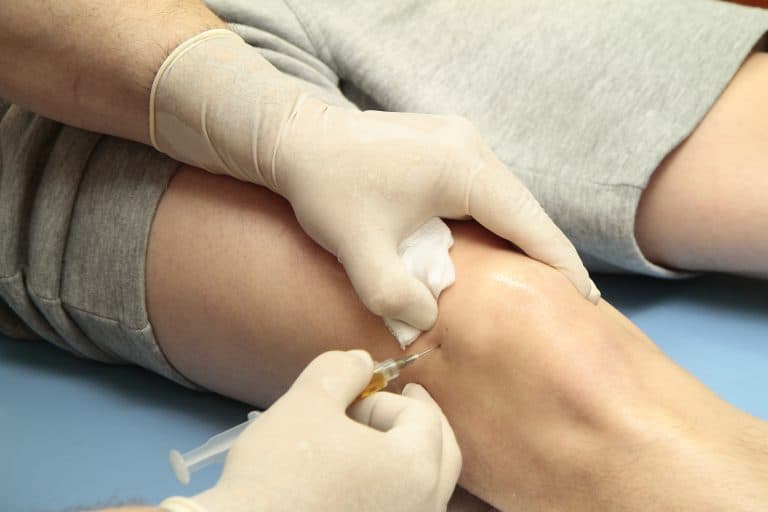
ChondroFiller is a state-of-the-art treatment that uses a collagen-based matrix to repair damaged cartilage . Unlike some cell-based therapies, ChondroFiller is a cell-free collagen gel that is gently injected into the cartilage defect during minimally invasive arthroscopic surgery . Once in place, the gel acts as a scaffold, inviting your body’s stem cells to migrate into the area and transform into new cartilage cells. This natural healing process, supported by ongoing research, offers a promising route for restoring healthy cartilage . After surgery, patients begin with a period of non-weight-bearing to protect the new scaffold as it starts to heal .
Typical Post-Operative Rehabilitation Timeline
Immediately following surgery , you’ll have a 48-hour period of complete rest with your joint immobilised in a plaster splint. During this time, you shouldn’t put any weight on the joint. After these first couple of days, you’ll move into a “gradual loading” phase, where you slowly introduce partial weight—about 20 kilograms—using crutches for support. This phase typically lasts around six weeks.
The specifics of your rehab plan will depend on exactly where the cartilage was damaged. For example, if the defect is behind your kneecap, bending your knee is limited at first—starting with just 30 degrees in the first two weeks, and increasing by 30 degrees every two weeks until you reach 90 degrees. For ankle injuries , after 48 hours of immobilisation, you’ll start gently loading the joint with a very light weight (around 5 kilograms) over six weeks.
Over time, as your range of motion improves, you can add low-impact activities like cycling and swimming, usually around the four-month mark. These activities help strengthen your joint while being gentle on the new cartilage .
Patients generally have a positive rehabilitation experience, with most reporting good to very good outcomes.
Free non-medical discussion
Not sure what to do next?
Information only · No medical advice or diagnosis.
Factors That Affect When You Can Walk Again
There’s no universal timeline for when you’ll be able to walk comfortably after a ChondroFiller procedure . The size and location of your cartilage defect play a significant role—damage in the knee, ankle, or hip each requires slightly different care. Larger or more complex defects may call for extended partial weight-bearing, sometimes with added support like braces. Your age, fitness level, and the stability of the surrounding cartilage all influence your recovery speed.
For hip cartilage injuries, the technique used during surgery can also affect the outcome. Making sure the ChondroFiller is applied accurately helps the new cartilage form as intended.
Importantly, how your joint responds to movement and load during healing can vary, and your surgical and rehab team will adjust your care plan accordingly to ensure the safest and most effective recovery.

How Professor Paul Lee and the London Cartilage Clinic Support Your Recovery
At the London Cartilage Clinic , Professor Paul Lee and his team offer a patient-centered approach. Their multidisciplinary care model brings together surgeons, physiotherapists, and nursing staff to guide you through every phase of recovery. Following established protocols, they protect your new cartilage while encouraging steady, safe progress. With personalised support, you can regain mobility, strength , and confidence step by step.
Tips for Safe, Gradual Weight-Bearing and Physiotherapy
Starting rehab with isometric exercises —where muscles tense without moving the joint—helps maintain strength without stressing healing cartilage . As recovery moves forward, you can add low-impact activities like cycling and swimming. Avoid running, jumping, or any high-impact activity for at least 12 months to protect the new cartilage. Stick closely to your physiotherapist’s weekly goals and check with your surgical team before ramping up activity. Make good use of crutches or braces during the gradual loading phase to ensure even weight distribution and joint protection.
Conclusion
Your journey back to walking after a ChondroFiller procedure depends on your individual situation and a personalised rehab plan. With the experienced care of Professor Paul Lee and the London Cartilage Clinic team, your recovery can be carefully managed to give you the best chance for a safe and lasting return to mobility. For advice specific to your own health needs, always consult with your healthcare provider.
References
- Breil-Wirth, A., von Engelhardt, L., Lobner, S., & Jerosch, J. (2016). Retrospective study of cell-free collagen matrix for cartilage repair. Orthopädische und Unfallchirurgische Praxis. https://doi.org/10.3238/oup.2016.0515-0520
- Perez-Carro, L., Mendoza Alejo, P. R., Gutierrez Castanedo, G., Menendez Solana, G., Fernandez Divar, J. A., Galindo Rubin, P., & Alfonso Fernandez, A. (2021). Hip Chondral Defects: Arthroscopic Treatment With the Needle and Curette Technique and ChondroFiller. Arthroscopy Techniques. https://doi.org/10.1016/j.eats.2021.03.011
- Weizel, A., Distler, T., Schneidereit, D., & Friedrich, O. (2020). Complex mechanical behavior of human articular cartilage and hydrogels for cartilage repair. Acta Biomaterialia. https://doi.org/10.1016/j.actbio.2020.10.025
Frequently Asked Questions
- ChondroFiller is a cutting-edge treatment used at London Cartilage Clinic that uses a collagen-based matrix to repair damaged cartilage. Led by Professor Paul Lee, the team uses minimally invasive techniques to encourage natural cartilage regrowth and promote long-term joint health.
- Professor Paul Lee leads a multidisciplinary team at London Cartilage Clinic, providing personalised, patient-centred rehabilitation. With his extensive experience and established protocols, patients receive thorough support throughout every stage of their recovery journey for the best possible outcome.
- Several factors affect your walking timeline after ChondroFiller—including injury location, defect size, your age, and joint stability. Professor Lee and his team tailor your rehabilitation to safely suit your individual situation and ensure a careful, supported recovery process.
- Rehabilitation at London Cartilage Clinic involves an initial non-weight-bearing phase, followed by gradual loading and supported physiotherapy. With Professor Lee’s expertise, each plan is personalised to protect healing cartilage while building strength, confidence, and safe mobility over time.
- Start with isometric exercises to maintain muscle strength without straining cartilage. Professor Lee’s team guides activity progression, with careful advice on introducing low-impact exercises and proper use of crutches or braces, promoting optimal safety and joint healing throughout rehabilitation.
Legal & Medical Disclaimer
This article is written by an independent contributor and reflects their own views and experience, not necessarily those of London Cartilage Clinic. It is provided for general information and education only and does not constitute medical advice, diagnosis, or treatment.
Always seek personalised advice from a qualified healthcare professional before making decisions about your health. London Cartilage Clinic accepts no responsibility for errors, omissions, third-party content, or any loss, damage, or injury arising from reliance on this material.
If you believe this article contains inaccurate or infringing content, please contact us at [email protected].
London Cartilage Clinic
Modern treatments, designed for lasting knee outcomes
Every treatment plan is selected to help you return to the quality of life you deserve. Our team combines up-to-date techniques with consultant-led decision making across cartilage repair, regeneration and replacement.
What your journey can look like
Step 01
Consultant-Led Assessment
Symptoms, imaging and goals reviewed in one structured appointment.
Step 02
Personalised Treatment Plan
A clear route chosen from repair, regeneration or replacement options.
Step 03
Precision Delivery
Modern techniques and specialist equipment matched to your diagnosis.
Step 04
Long-Term Knee Health
Follow-up guidance focused on durable function and quality of life.
Will the Arthrosamid work for me
PAAG-8+ Questionnaire
A bright, structured entry point for patients exploring Arthrosamid. The questionnaire helps frame suitability, expectations, and 24-month clinical benefit discussion before a fuller consultant-led review.
Designed for shared decision-making. It does not replace specialist consultation, examination, imaging review, or formal medical advice.