


Introduction
Tearing your anterior cruciate ligament (ACL) is a life-changing injury that affects not just your knee, but your daily routine and long-term mobility. ACL tear s often happen in an instant—while playing sports, taking a wrong step, or landing awkwardly. Yet, few people truly understand what happens inside the knee during the injury or what to expect during recovery. In this article, we’ll explain exactly what goes on when you tear your ACL, what symptoms to look out for, treatment options, and typical recovery times—whether you choose surgery or rehabilitation. Drawing from the latest research, we’ll also talk about prevention, long-term effects, and how to make confident decisions about your recovery.
What Is an ACL Tear and How Does It Happen?
The ACL is one of the main ligaments inside your knee. Its job is to keep your knee stable, especially during twisting or side-to-side movements. When you tear your ACL, the ligament ’s tough fibers are stretched or ripped, leaving your knee much less stable. ACL injuries are common in sports that involve sudden stops, changes in direction, or jumping and landing—like football, basketball, and skiing.
You might ask, how do you know if your ACL is torn? Many people hear or feel a distinct “pop” in the knee at the moment of injury. Immediate pain, swelling, and a sense that your knee is unstable or "gives way" are also telltale signs. Sometimes, the pain or swelling starts off mild, leading some people to underestimate the injury . But within hours or days, most notice knee instability or trouble bearing weight. Early uncertainty about the severity of the injury can be stressful—not knowing if it’s a minor setback or something that will affect you longer-term.
The Immediate Impact on Knee Movement
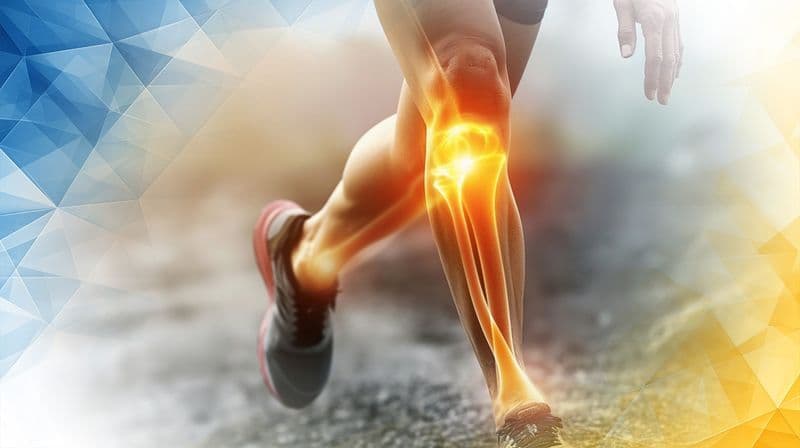
A torn ACL instantly changes how your knee moves. Without this vital ligament , the knee loses key stability and, in some cases, can even feel like it will buckle underneath you. When the ACL is no longer intact, it alters how the kneecap tracks and how the shinbone moves compared to the thigh bone—putting extra strain on other parts of the knee.
Think of your knee like a door hinge: if a crucial part breaks, the hinge wobbles and no longer supports weight evenly. The pain from an ACL tear is often deep within the knee, and swelling quickly makes movement difficult and uncomfortable. Swelling and stiffness come on fast—further limiting what your knee can do and increasing the risk of hurting it again before it heals.
Free non-medical discussion
Not sure what to do next?
Information only · No medical advice or diagnosis.
How Your Body Responds and Your Treatment Options
Immediately after an ACL tear , your body responds with swelling and inflammation, beginning the healing process. Some partial tears may heal a little on their own, but a fully torn ACL rarely regains its original strength and stability without intervention. How well you heal depends on the severity of the tear, your age, and how active you plan to be in the future.
Some people—especially those who are less active or have only a partial tear —can manage the injury with a rehabilitation program. Physical therapy focuses on strengthening the muscles that support the knee and teaching your body to move safely without the ACL. In many cases, though, surgery is recommended to reconstruct the torn ligament , especially if you want to return to sports or activities that require full knee stability.
Surgery involves replacing the torn ACL with a graft (using tissue from your own body or a donor). After surgery, recovery takes several months and requires focused rehabilitation. Regardless of your choice, speaking to a medical specialist soon after injury and following a treatment plan tailored to your needs gives the best chance of a full recovery. Prevention also plays a big role: proper training, learning safe movement techniques, and using protective equipment can all help reduce your risk of an ACL tear .

Looking Ahead: Long-Term Effects and Making the Right Decision
If an ACL tear is not properly treated, the knee can remain unstable. Chronic instability often leads to further injuries—such as tears of the meniscus (cartilage) or damage to the surfaces of the joint—which can pave the way for early-onset arthritis.
Deciding between surgery and non-surgical rehabilitation is personal: it depends on factors like your age, activity level, and the extent of the injury. Surgery offers strong stability and a better chance of returning to high-level activity, but comes with a longer recovery time. Non-surgical rehab may be an option if you’re less active, but it typically requires some lifestyle adjustments to prevent future injuries.
No matter which path you choose, ongoing care—including regular check-ups and a continued strengthening program—is important to keep your knee as healthy as possible.
Conclusion
An ACL tear is a serious injury that can disrupt your life, but understanding what happens inside your knee and knowing your options puts you in control of your recovery. Early diagnosis , timely treatment , and dedicated rehabilitation are the best ways to restore stability and get back to your favorite activities. If you think you might have torn your ACL, see a doctor or specialist as soon as possible—prompt care is key to a smoother, more confident recovery.
References
Groskopf, J. (2023). What happens to your farm or ranch if you become disabled? University of Nebraska Consortium of Libraries - UNCL. https://doi.org/10.32873/unl.dc.cap024
Le, J. Y., Morgan, S. E., & Osier, N. D. (2019). What happens when you hit your head? Frontiers for Young Minds, 7. https://doi.org/10.3389/frym.2019.00127
Schwarze, S. A., Poppa, C., Gawronska, S. M., & Fandakova, Y. (2021). The more, the merrier? What happens in your brain when you are multitasking? Frontiers for Young Minds, 9. https://doi.org/10.3389/frym.2021.584481
Legal & Medical Disclaimer
This article is written by an independent contributor and reflects their own views and experience, not necessarily those of London Cartilage Clinic. It is provided for general information and education only and does not constitute medical advice, diagnosis, or treatment.
Always seek personalised advice from a qualified healthcare professional before making decisions about your health. London Cartilage Clinic accepts no responsibility for errors, omissions, third-party content, or any loss, damage, or injury arising from reliance on this material.
If you believe this article contains inaccurate or infringing content, please contact us at [email protected].
London Cartilage Clinic
Modern treatments, designed for lasting knee outcomes
Every treatment plan is selected to help you return to the quality of life you deserve. Our team combines up-to-date techniques with consultant-led decision making across cartilage repair, regeneration and replacement.
What your journey can look like
Step 01
Consultant-Led Assessment
Symptoms, imaging and goals reviewed in one structured appointment.
Step 02
Personalised Treatment Plan
A clear route chosen from repair, regeneration or replacement options.
Step 03
Precision Delivery
Modern techniques and specialist equipment matched to your diagnosis.
Step 04
Long-Term Knee Health
Follow-up guidance focused on durable function and quality of life.
Will the Arthrosamid work for me
PAAG-8+ Questionnaire
A bright, structured entry point for patients exploring Arthrosamid. The questionnaire helps frame suitability, expectations, and 24-month clinical benefit discussion before a fuller consultant-led review.
Designed for shared decision-making. It does not replace specialist consultation, examination, imaging review, or formal medical advice.