Walking Through Uncertainty: A Biomechanical Exploration of Recovery with a Torn ACL and Meniscal Tear
Knee injuries can be deeply unsettling, especially when they involve essential structures like the anterior cruciate ligament (ACL) and the meniscus . When these parts are damaged, it’s natural to wonder how much you’ll be able to move, whether walking will still be possible, and what your path to recovery might look like. In this article, we’ll break down how a torn ACL and meniscal tear impact walking, the difficulties they create, and the rehabilitation steps that can help restore your mobility. Whether you’re facing this recovery yourself or supporting someone who is, understanding the mechanics behind these injuries can help provide clarity and comfort during the healing process.
Understanding the Injury
The knee is an amazing joint, relying on several key components to remain stable and function smoothly. The ACL is a crucial ligament that keeps the tibia (shinbone) from sliding too far forward and helps guide the knee's rotation. The meniscus is a C-shaped cartilage pad that acts as a shock absorber, protecting the joint surfaces and ensuring even weight distribution.
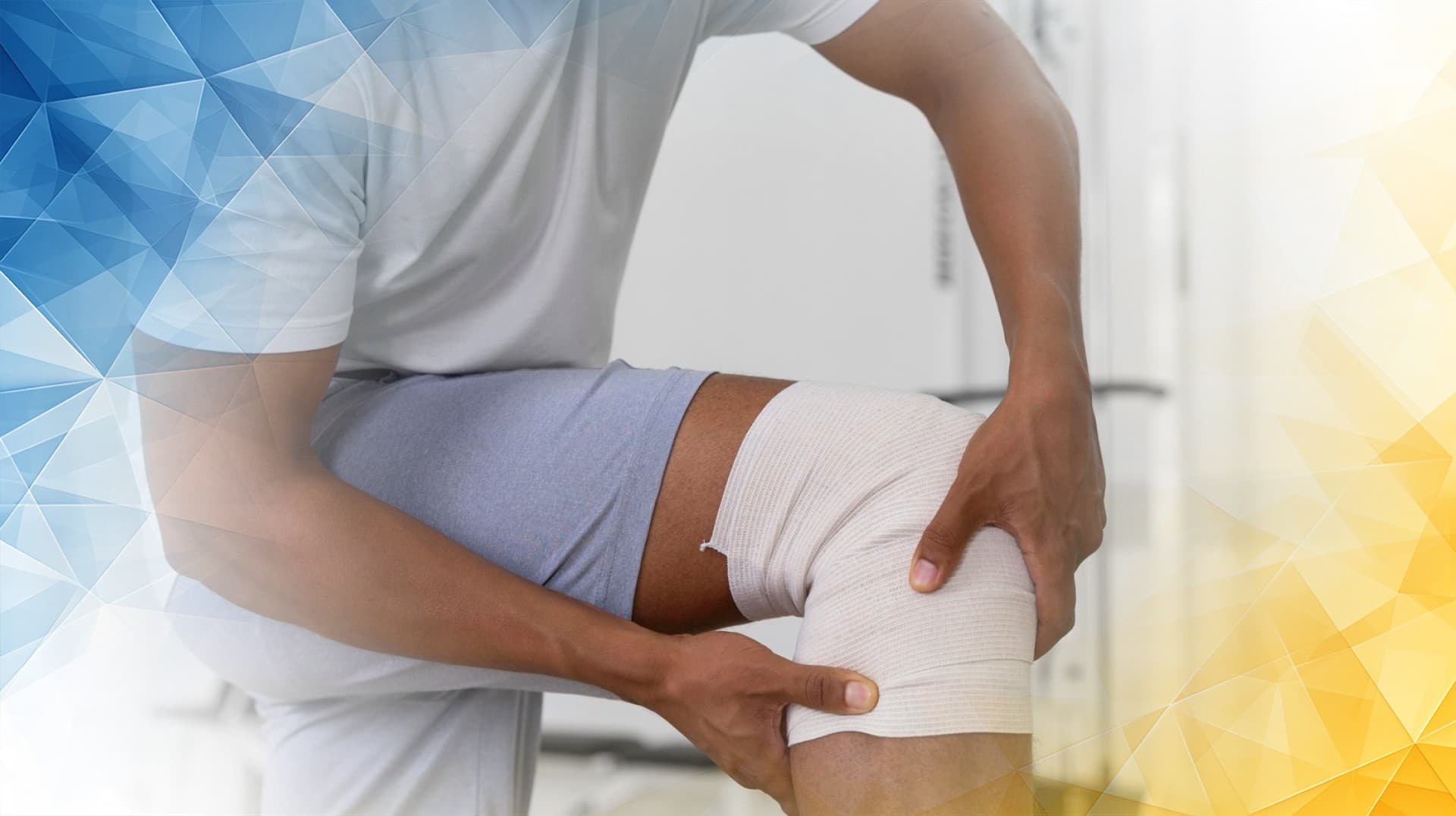
When the ACL is torn, the knee often feels unstable or “wobbly,” making simple actions like walking difficult, awkward, or even painful. A torn meniscus adds another layer of trouble, causing swelling, stiffness, and a harder time bending or straightening the knee. While you may wonder, “What does a torn meniscus look like on the outside?” the real signs are internal: swelling, reduced mobility, and often a catching or locking sensation inside the joint.
Even minor strains to the ACL can disrupt the knee ’s natural movement —reinforcing the importance of this ligament. Recent research highlights that certain anatomical features, like a steeper posterior tibial slope (PTS), can increase the risk of ACL injuries and complicate healing, especially after surgical repair. Ligament instability also sets the stage for meniscal injuries, showing how closely tied these structures are when it comes to knee health.
The Science of Movement: How Walking Changes
While walking might appear effortless, it’s actually a coordinated performance involving muscles, tendons, and ligaments working in harmony. When your ACL is torn, however, the knee ’s natural stability is thrown off. This can cause sometimes subtle, sometimes dramatic changes to how you walk: the shinbone may twist more outwardly, and bending the knee can become strained or even painful.
Studies show that people recovering from ACL injuries often develop a habit of rotating their shinbone outwards—an unconscious attempt to prevent their knee from giving way. Many people describe a sensation of the knee “giving out” or buckling unexpectedly, especially when changing direction or walking on uneven surfaces. Pain and discomfort frequently concentrate at the front or inside of the knee , close to where the ACL sits.
A meniscal tear can intensify these patterns. With both injuries, your walking may become even more awkward or uncomfortable. Over time, these compensations can put additional pressure on other parts of the knee, growing the risk of long-term joint problems. Certain surgical and rehabilitation strategies—such as adding procedures that improve rotational stability—can lead to better patient outcomes and a smoother return to functional movement .
The Biomechanical Challenges of Walking with These Injuries
Walking with a torn ACL and meniscal tear isn’t just inconvenient—it increases the risk of other knee issues developing over time. Instability and altered gait can accelerate cartilage wear, increasing the risk of osteoarthritis . Shifting too much weight to one part of the knee, compensating for pain, or avoiding normal movement can also worsen joint health.
To avoid making the injury worse, it’s important to steer clear of deep knee bends, twisting, or pivoting on the injured leg. Many people ask what exercises they should avoid with a torn meniscus ; anything that increases rotational forces or puts excessive strain on the knee can potentially make things worse. If not managed carefully, long-term consequences—including ongoing pain, instability, and reduced mobility —can develop, especially if treatment or rehabilitation is inadequate.
Anatomical factors, like posterior tibial slope, can play a role in making the knee more vulnerable to repeated injuries or instability after surgery. Innovative surgical solutions have been shown to improve outcomes when tailored to each patient's needs, emphasizing the benefit of individualized treatment—whether surgical or not.
Rehabilitation and Managing the Risks
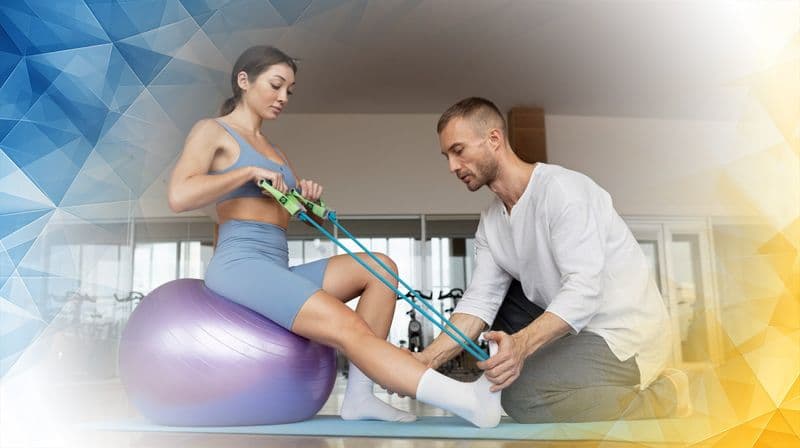
Rehabilitation is all about finding the right balance between giving your knee a chance to heal and keeping your body moving in safe, supportive ways. Physiotherapy is often at the heart of recovery, focusing on strengthening the muscles around the knee, improving balance and awareness ( proprioception ), and gradually retraining your walking pattern.
Non-surgical approaches can be very effective, especially for less severe tears or for those who want to avoid surgery. Low-impact activities—such as cycling or swimming—can help maintain fitness without putting too much pressure on your healing knee.
Clinical studies show that with a thoughtful and gradual rehab approach, many people make significant progress, even with both ACL and meniscal injuries. However, each injury is unique, so it’s essential to work closely with your healthcare professionals to find the treatment path that makes most sense for you—whether that’s surgery, conservative management, or a mix of both. Advances in surgical technology and rehabilitation protocols are giving more people the chance to regain stable, dependable knee function, reducing risks and promoting long-term health.
Conclusion
A torn ACL combined with a meniscal tear creates real hurdles—especially when it comes to walking and everyday activities. Understanding what’s happening inside your knee , how your body adapts, and which steps move you toward recovery can make the journey much less daunting. While walking may still be possible after these injuries , careful movement, targeted therapy, and staying informed about the healing process are all key to protecting your knee and restoring your confidence.
Every recovery journey is unique, and the best results come from personalized treatment, consistent support, and a willingness to adapt as your body heals. With the right knowledge and guidance, you can move forward with confidence and work toward restoring your stability and mobility.
References
Simon, F., Moreira-Pereira, J., Lamontagne, J., Cloutier, R., Goulet, F., & Chabaud, S. (2021). Second Generation of Tissue-Engineered Ligament Substitutes for Torn ACL Replacement: Adaptations for Clinical Applications. Bioengineering, 8(12), 206. https://doi.org/10.3390/bioengineering8120206
Dean, R. S., DePhillipo, N. N., & LaPrade, R. F. (2022). Posterior Tibial Slope in Patients With Torn ACL Reconstruction Grafts Compared With Primary Tear or Native ACL: A Systematic Review and Meta-analysis. Orthopaedic Journal of Sports Medicine, 10(4). https://doi.org/10.1177/23259671221079380
Economopoulos, K. J., Brinkman, J. C., & Tummala, S. V. (2024). Isolated LET Leads to Superior Outcomes Compared to Revision ACL Reconstruction and ACL Revision+LET in Patients Treated for Medial Meniscal Tearing with Residual Rotational Instability and an Intact or Partially Torn ACL Graft. Orthopaedic Journal of Sports Medicine, 12(7_suppl2). https://doi.org/10.1177/2325967124s00016
Frequently Asked Questions
- Both an ACL tear and a meniscal injury often cause instability, swelling, and pain, making walking difficult. At London Cartilage Clinic, Prof Lee utilises advanced diagnostics to accurately identify the injuries and recommend tailored treatments that address each patient’s individual needs, promoting optimal recovery and restored function.
- Walking may feel unstable or ‘wobbly,’ with awkwardness, pain, swelling, and potential joint locking. Prof Lee at London Cartilage Clinic is experienced in identifying subtle changes to your movement and can create personalised rehabilitation plans to address your unique gait concerns, helping you walk with greater confidence and safety.
- If not properly managed, combined injuries can lead to further cartilage wear, worsening instability, and a higher risk of osteoarthritis. At London Cartilage Clinic, Prof Lee’s advanced treatment options and thorough aftercare focus on minimising long-term complications and supporting the health of your knee for the future.
- Rehabilitation often includes physiotherapy to strengthen muscles, retrain walking patterns, and restore balance. Prof Lee and the London Cartilage Clinic team develop bespoke recovery strategies, leveraging the latest rehabilitation protocols and surgical advancements, to ensure you receive expert care at every stage of your recovery journey.
- London Cartilage Clinic stands out for its patient-centred approach, combining state-of-the-art techniques with Prof Lee’s extensive experience in treating complex knee injuries. Prof Lee offers personalised assessments and treatments designed to achieve the best possible outcomes, ensuring patients receive exceptional care tailored to their unique knee health needs.
Legal & Medical Disclaimer
This article is written by an independent contributor and reflects their own views and experience, not necessarily those of London Cartilage Clinic. It is provided for general information and education only and does not constitute medical advice, diagnosis, or treatment.
Always seek personalised advice from a qualified healthcare professional before making decisions about your health. London Cartilage Clinic accepts no responsibility for errors, omissions, third-party content, or any loss, damage, or injury arising from reliance on this material.
If you believe this article contains inaccurate or infringing content, please contact us at [email protected].
London Cartilage Clinic
Modern treatments, designed for lasting knee outcomes
Every treatment plan is selected to help you return to the quality of life you deserve. Our team combines up-to-date techniques with consultant-led decision making across cartilage repair, regeneration and replacement.
What your journey can look like
Step 01
Consultant-Led Assessment
Symptoms, imaging and goals reviewed in one structured appointment.
Step 02
Personalised Treatment Plan
A clear route chosen from repair, regeneration or replacement options.
Step 03
Precision Delivery
Modern techniques and specialist equipment matched to your diagnosis.
Step 04
Long-Term Knee Health
Follow-up guidance focused on durable function and quality of life.
Will the Arthrosamid work for me
PAAG-8+ Questionnaire
A bright, structured entry point for patients exploring Arthrosamid. The questionnaire helps frame suitability, expectations, and 24-month clinical benefit discussion before a fuller consultant-led review.
Designed for shared decision-making. It does not replace specialist consultation, examination, imaging review, or formal medical advice.