Unseen Biomechanical Triggers of Chronic Knee Pain: How Advanced Insights and Targeted Rehab Can Help
Introduction
Knee pain is a common problem that can affect anyone, but when it becomes chronic, it can disrupt everything from work to daily movement to your ability to enjoy life. What makes it challenging is that the underlying causes of ongoing knee pain are not always obvious—many are small mechanical problems with the way the knee moves that go undetected. In this article, we’ll look at these hidden biomechanical triggers and explore how focused rehabilitation can relieve pain and help you move better.
What Causes Knee Pain? A Look at the Basics
Knee pain can have many causes. Osteoarthritis (wear and tear), patellofemoral pain syndrome (pain around the kneecap), and problems after injury or surgery are among the most common. Millions of people struggle with these conditions, and research shows that factors like age, prior injuries , muscle imbalances, and even slight changes in knee movement can make pain worse and longer lasting. Traditional tests, such as X-rays and MRIs, tend to look for obvious damage—like thinning cartilage or bone changes—but often miss smaller movement issues that can be the real source of pain. That’s why understanding knee pain requires looking beyond scans to the way the knee works as a whole. Sometimes, pain that seems to be coming from the knee might even have its roots elsewhere, such as in the lower back—especially in older adults when standard knee imaging doesn't match up with symptoms.
How Small Movement Problems Can Cause Big Pain
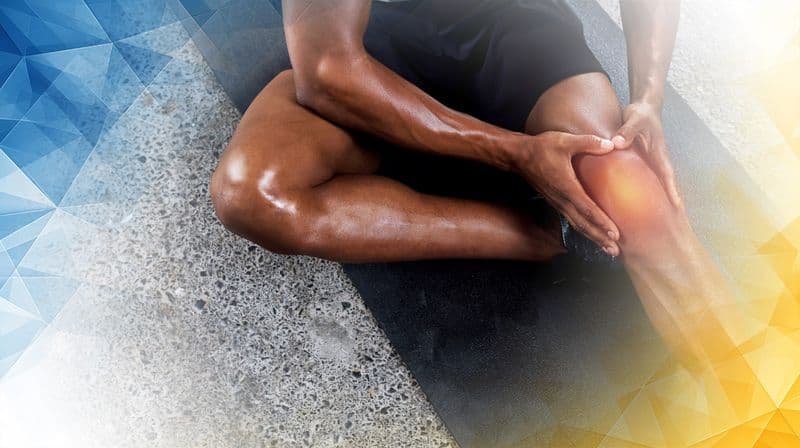
Many cases of chronic knee pain are caused by slight misalignments or movement issues that aren’t visible on typical imaging. For example, the kneecap (or patella) should glide smoothly as you bend and straighten your knee. When it becomes misaligned—a condition called patellar maltracking—it can cause sharp pain, especially when squatting or bending deeply. Other issues like the shin bone rotating outward or having imbalances in muscle strength around the knee can also place extra stress on the joint. Symptoms might show up as pain when bending the knee, soreness during walking, or discomfort while climbing stairs. These subtle biomechanical glitches can have a big impact on how your knee feels day to day, even though they are easy to overlook in routine exams. Additionally, it’s important to consider that pain that seems isolated to the knee , especially in older adults, might actually be caused by issues in the lumbar spine.
Why Diagnosing These Issues Isn’t Easy
Detecting biomechanical problems is challenging because most imaging tests are static, taking pictures of the knee while it’s at rest. However, many of these issues only show up when the knee is moving or bearing weight. That’s where advanced diagnostic tools come into play. Techniques like dynamic gait analysis (which observes you walking), movement-based ultrasounds, or specialized MRIs performed during knee movement can help reveal what’s actually happening while you move. When these tools are combined with a thorough clinical exam and patient history, doctors get a much clearer understanding of what’s causing your pain. This well-rounded approach is crucial for diagnosing your specific issues and guiding treatment decisions. For example, if standard imaging doesn’t explain the pain and symptoms, it’s important for clinicians to look for nerve or spine involvement, especially in older patients.
Rehab That Works: Fixing Movement and Reducing Pain
Once the underlying biomechanical problems are identified, targeted rehabilitation can help restore healthy movement and reduce pain. Physical therapy programs often focus on retraining how your muscles and joints work together, strengthening weak muscles, and stretching tight ones. Many treatment plans include home exercises that reinforce good movement patterns and keep pain at bay. Learning proper movement techniques not only relieves pain but gives you tools to manage it on your own, making a huge difference in day-to-day life. With a personalized rehab plan, you can expect improvement in symptoms like pain in the morning, sharp pain when squatting, or discomfort in the front or back of the knee .
Practical Advice for Patients and Healthcare Providers
For those living with knee pain —or healthcare professionals treating it—small, consistent changes can add up. Patients should commit to gentle stretching and strengthening exercises as recommended by their therapist, focusing on balancing the muscles and stabilizing the knee joint . Simple lifestyle changes, such as maintaining a healthy weight or modifying activities that trigger pain, also help protect the knee over time. For providers, the key is designing treatment that fits each patient’s unique situation, setting clear and realistic goals, and regularly adjusting the plan as progress is made. Addressing movement issues directly can make a significant difference, helping patients get back to everyday activities with less pain.
Key Takeaways
Chronic knee pain often stems from subtle biomechanical issues that standard imaging can miss. Recognizing the limits of routine tests and turning to more dynamic assessments can uncover hidden causes of pain. Targeted rehabilitation that corrects muscle and movement imbalances is a proven way to restore knee function and relieve symptoms. By taking a comprehensive and patient-centered approach, both patients and clinicians can achieve better—and longer-lasting—results in managing ongoing knee pain .
Looking Ahead: Hope and Progress in Knee Pain Care
The outlook for treating chronic knee pain is brighter than ever, with ongoing research and better diagnostic tools shedding light on issues that once went unnoticed. By focusing on the unseen biomechanical factors behind knee pain, patients have greater hope for real relief and improved quality of life. With the right evaluation and a tailored rehab plan, it’s possible to reclaim your mobility and get back to doing what you love—free from pain.
References
Mehrali, T., & Yunas, I. (2009). Knee Pain. InnovAiT: Education and inspiration for general practice, 2(7), 396–401. https://doi.org/10.1093/innovait/inp002
Lygrisse, K. A., Mont, M. A., & Scuderi, G. R. (2025). Knee Pain Is Not Always the Knee. JBJS Reviews, 13(1).
Zeller, J. L., Lynm, C., & Glass, R. M. (2007). Knee Pain. JAMA, 297(15), 1740. https://doi.org/10.1001/jama.297.15.1740
Legal & Medical Disclaimer
This article is written by an independent contributor and reflects their own views and experience, not necessarily those of London Cartilage Clinic. It is provided for general information and education only and does not constitute medical advice, diagnosis, or treatment.
Always seek personalised advice from a qualified healthcare professional before making decisions about your health. London Cartilage Clinic accepts no responsibility for errors, omissions, third-party content, or any loss, damage, or injury arising from reliance on this material.
If you believe this article contains inaccurate or infringing content, please contact us at [email protected].
London Cartilage Clinic
Modern treatments, designed for lasting knee outcomes
Every treatment plan is selected to help you return to the quality of life you deserve. Our team combines up-to-date techniques with consultant-led decision making across cartilage repair, regeneration and replacement.
What your journey can look like
Step 01
Consultant-Led Assessment
Symptoms, imaging and goals reviewed in one structured appointment.
Step 02
Personalised Treatment Plan
A clear route chosen from repair, regeneration or replacement options.
Step 03
Precision Delivery
Modern techniques and specialist equipment matched to your diagnosis.
Step 04
Long-Term Knee Health
Follow-up guidance focused on durable function and quality of life.
Will the Arthrosamid work for me
PAAG-8+ Questionnaire
A bright, structured entry point for patients exploring Arthrosamid. The questionnaire helps frame suitability, expectations, and 24-month clinical benefit discussion before a fuller consultant-led review.
Designed for shared decision-making. It does not replace specialist consultation, examination, imaging review, or formal medical advice.