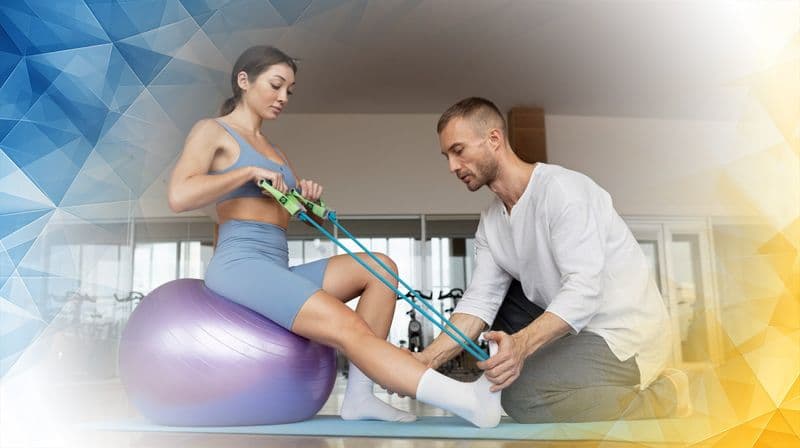



Unraveling the Neurological Pathways: How Sciatica Triggers Specific Patterns of Knee Pain
When people think of sciatica, they usually associate it with lower back pain . However, recent insights reveal that sciatica can also cause unique types of knee pain . Affecting about 5–10% of people at some point in their lives, sciatica sometimes causes discomfort that radiates down the leg—including into the knee. This overlap of symptoms can make diagnosis and treatment more challenging. In this article, we’ll explore how sciatica can affect the knee, examine the underlying nerve anatomy, review the latest research, and discuss practical treatment options. Along the way, we’ll explain terms like “sciatic nerve knee pain exercises” and help clarify what it means to have “pain on the outside of the knee with no swelling,” and how all of this relates to sciatica.
Understanding the Nerves and Biomechanics Behind Sciatica-Related Knee Pain
The sciatic nerve is the longest and thickest nerve in the body. It starts in the lower back, travels down the back of the thigh, and splits near the knee to reach various parts of the leg and foot. Because it runs such a long route, irritation or pressure on the sciatic nerve—often starting in the lower back —can create symptoms far from the source, including in the knee.
Not all leg pain is created equal. Sciatica is specifically caused by an issue affecting the sciatic nerve , while other types of leg pain might come from referred pain or local injuries. That’s why understanding the root cause is so important for effective treatment.
When the sciatic nerve is irritated or compressed, it can disrupt the signals between your brain and your muscles. This can lead to muscle weakness or imbalances around the knee and change the way your knee functions. As a result, you may notice sharp, aching , or burning pain on the side of your knee without any obvious swelling or injury. This understanding also explains why exercises designed to calm sciatic nerve irritation can be so helpful—they gently stretch and strengthen the impacted muscles, restore typical knee movement , and reduce discomfort.
What Recent Research Shows About Sciatica and Knee Pain
Recent research has expanded our understanding of the connection between sciatica and knee pain. People with chronic sciatic nerve issues often experience symptoms such as aching at the back of the knee at night or a burning feeling along the knee’s side, even when there’s no actual joint damage. This is because nerve irritation changes how pain messages are sent, making the knee feel sore even if it’s structurally healthy.
One study found that therapies like hijama (a traditional cupping therapy) significantly reduced sciatic pain , with 67% of participants experiencing relief (Bilal & Khan, 2016). This suggests that a range of therapeutic interventions—from traditional methods to modern physical therapy —can make a noticeable difference in sciatica -related knee pain.
Doctors emphasize that diagnosing the precise cause of pain is critical, as effective treatment depends on distinguishing between nerve-related issues and other potential sources of discomfort. In many cases, persistent knee pain without a clear injury or arthritis may actually be a consequence of sciatic nerve irritation. Recognizing this connection ensures patients get appropriate and effective care.
Research has also shown that ongoing irritation or compression of the sciatic nerve can change muscle control and coordination. This means knee pain can persist, even after lower back symptoms have improved. So, if you’re experiencing knee pain—especially without swelling or an obvious cause—it’s important to consider sciatica as a possible underlying issue.
How Biomechanical Changes and Nerve Signals Affect the Knee
Sciatica doesn’t just cause pain; it can alter how your muscles and joints function together. When nerve signals are disrupted, some muscles around the knee may become weaker while others are forced to work harder. This imbalance can lead to pain—often on the outside of the knee—even if the knee itself looks normal from the outside.
This creates a situation where poor muscle coordination changes the way you move, aggravating both nerve irritation and knee pain. Studies show that nerve problems impact both how you feel pain (sensory) and how your muscles respond (motor). That’s why a successful approach to sciatica -related knee pain should focus on restoring muscle strength, coordination, and joint stability, not just temporary pain relief.
Effective Treatment: Combining Nerve Care and Physical Therapy
Treating knee pain that stems from sciatica requires a thorough and holistic approach—one that addresses both nerve health and muscle function. Many people find relief through targeted “sciatic nerve knee pain exercises,” which help mobilize the sciatic nerve while strengthening the muscles that support the knee. These exercises are designed to correct muscle imbalances, improve knee stability, and reduce pressure on the irritated nerve.
Current clinical guidance recommends starting with conservative treatments such as exercise, physical therapy, and patient education. Only a small percentage of patients with back-related nerve pain require surgery. Surgery, if needed, is usually reserved for severe cases with persistent symptoms that don’t respond to non-surgical options.
In more complex cases, additional treatments such as anti-inflammatory medications, advanced therapy techniques, or occasionally surgery may be necessary to relieve nerve compression and prevent future flare-ups. Ultimately, the goal is to resolve symptoms, improve quality of life, and prevent the recurrence of knee pain linked to sciatica.
Conclusion
Sciatica can cause much more than lower back pain—it can also trigger specific types of knee pain due to its close relationship with muscle function and nerve health. Recognizing this link is crucial for accurate diagnosis and lasting relief. By combining up-to-date research with a personalized, practical treatment approach, healthcare professionals can better support anyone dealing with knee pain that actually starts in the back. Ongoing research and collaboration will further advance our understanding and help more people return to pain-free movement.
References
Sharp, D. (2016). Back pain and sciatica. Oxford University PressOxford. https://doi.org/10.1093/med/9780199665549.003.0054
Al Kutobi, Z. T. A., & Al Omari, W. R. S. (2003). The effect of chronic sciatica on the knee and ankle joints. Qatar Medical Journal, 2003(2). https://doi.org/10.5339/qmj.2003.2.10
Bilal, M., & Khan, R. A. (2016). Therapeutic Effectiveness of Hijama in Sciatica Pain. Pharmacology & Pharmacy, 7(08), 326-330. https://doi.org/10.4236/pp.2016.78040
Legal & Medical Disclaimer
This article is written by an independent contributor and reflects their own views and experience, not necessarily those of London Cartilage Clinic. It is provided for general information and education only and does not constitute medical advice, diagnosis, or treatment.
Always seek personalised advice from a qualified healthcare professional before making decisions about your health. London Cartilage Clinic accepts no responsibility for errors, omissions, third-party content, or any loss, damage, or injury arising from reliance on this material.
If you believe this article contains inaccurate or infringing content, please contact us at [email protected].
London Cartilage Clinic
Modern treatments, designed for lasting knee outcomes
Every treatment plan is selected to help you return to the quality of life you deserve. Our team combines up-to-date techniques with consultant-led decision making across cartilage repair, regeneration and replacement.
What your journey can look like
Step 01
Consultant-Led Assessment
Symptoms, imaging and goals reviewed in one structured appointment.
Step 02
Personalised Treatment Plan
A clear route chosen from repair, regeneration or replacement options.
Step 03
Precision Delivery
Modern techniques and specialist equipment matched to your diagnosis.
Step 04
Long-Term Knee Health
Follow-up guidance focused on durable function and quality of life.
Will the Arthrosamid work for me
PAAG-8+ Questionnaire
A bright, structured entry point for patients exploring Arthrosamid. The questionnaire helps frame suitability, expectations, and 24-month clinical benefit discussion before a fuller consultant-led review.
Designed for shared decision-making. It does not replace specialist consultation, examination, imaging review, or formal medical advice.