

Unraveling the Mystery of Medial Knee Pain Without Swelling: A Biomechanical and Diagnostic Perspective
Introduction
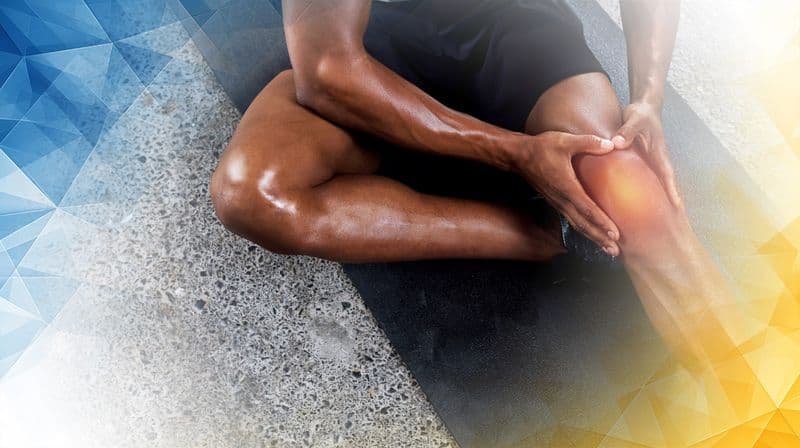
Medial knee pain —pain on the inner side of the knee—is a common issue that affects people of all ages and activity levels, from athletes to those going about daily routines. While knee pain often comes with obvious swelling, sometimes people experience this discomfort with no swelling at all. This lack of visible symptoms can make it trickier to notice and diagnose the real problem. Understanding why medial knee pain can occur without swelling—and how to properly identify and treat it—is key to getting relief and returning to normal activities faster.
Biomechanics and Underlying Causes
The inner side of your knee , known as the medial compartment, is home to important structures like the medial collateral ligament (which keeps your knee stable), the medial meniscus (a shock-absorbing cartilage), and supporting muscles. Medial knee pain without swelling often points to subtle injuries or imbalances that don’t cause noticeable inflammation.
One common reason involves leg alignment. If your knee tends to angle inward—a condition known as valgus stress—it can put extra strain on the structures along the inner knee. This can happen with repeated movements, such as running or standing for long periods, and may cause irritation or minor injury. Likewise, small tears in the meniscus or early cartilage wear can lead to persistent, nagging pain even though the knee doesn’t look swollen. These kinds of injuries might seem insignificant at first but can quietly affect how you move and function day to day. Recognizing these patterns helps doctors pinpoint the source of pain more accurately.
Free non-medical discussion
Not sure what to do next?
Information only · No medical advice or diagnosis.
Diagnostic Challenges
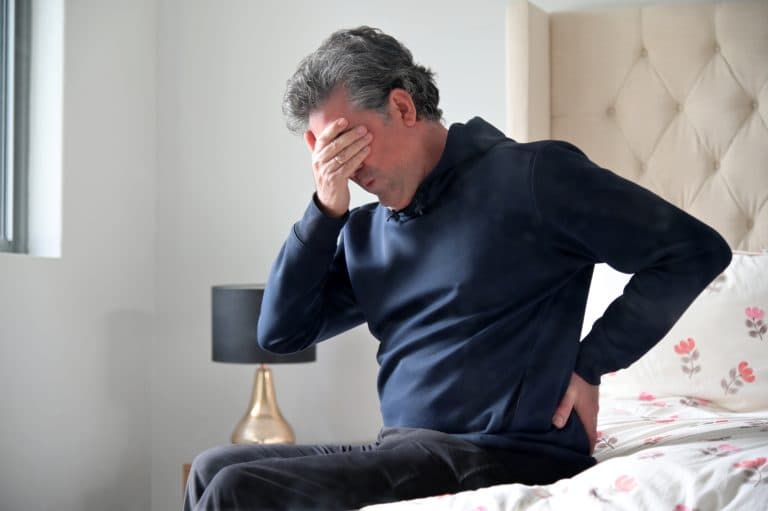
Diagnosing medial knee pain without swelling can be challenging. Swelling often catches your attention and provides doctors with a valuable clue, so its absence sometimes leads to the pain being dismissed or mistaken for issues elsewhere, like the hip or lower back .
Healthcare providers start with a careful physical exam. They may gently press along the inside of the knee and guide you through different movements to pinpoint where it hurts. However, physical exams alone don’t always reveal clear answers when swelling is missing. Imaging tests such as MRI scans are especially useful in these cases because they can uncover subtle injuries or tissue changes that are invisible from the outside. Gathering a thorough health history and seeing how you walk or move further helps to rule out other possible causes. This systematic approach ensures an accurate diagnosis , even when symptoms aren’t obvious.

Treatment and Management Strategies
Managing medial knee pain without swelling focuses on addressing pain and tackling its root cause. Physical therapy is typically the first step. Strengthening the quadriceps and hip muscles, along with improving joint alignment and movement patterns, can help relieve pressure from the inner knee and correct harmful movement habits.
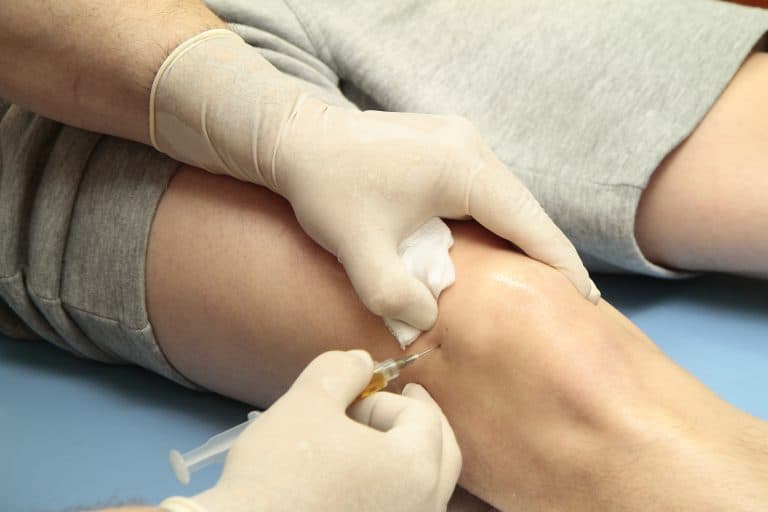
Simple lifestyle changes, such as adjusting your posture, modifying certain activities, or using supportive footwear, can also reduce stress on your knee and help it heal. While anti-inflammatory medications may offer some relief, their benefits can be limited when swelling isn’t present. Newer treatments—like platelet-rich plasma (PRP) or hyaluronic acid injections —are showing promise for repairing small injuries , especially when traditional therapies fall short. Surgery is rarely necessary, and usually only considered if less invasive treatments haven’t helped or if imaging reveals a more serious problem. Advanced imaging and careful intervention are especially important to identify and resolve the underlying issue. Education about knee care and ongoing support from healthcare providers empower you to recover fully and help prevent the pain from returning.
Conclusion
Medial knee pain without swelling can seem like a minor nuisance, but it often signals underlying issues that can disrupt your life if left untreated. Because there’s no visible swelling, it’s easy to ignore or underestimate the problem. However, micro- injuries and biomechanical problems can add up over time and cause persistent discomfort. A careful combination of physical exams, imaging studies, and thoughtful treatment leads to better outcomes. With the right approach—and some patience—most people can find relief and get back to their favorite activities. Continued research and growing awareness mean we’re getting better at diagnosing and treating this subtle but stubborn form of knee pain , helping people live more comfortably.
References
Huang, J., Li, L., & Wang, L. (2021). Elderly Woman With Left Knee Joint Swelling and Pain. Annals of Emergency Medicine, 78(3), e33-e34. https://doi.org/10.1016/j.annemergmed.2021.03.017
MacIntyre, E., Sigerseth, M., Pulling, B. W., Newport, R., & Stanton, T. R. (2019). The effect of knee resizing illusions on pain and swelling in symptomatic knee osteoarthritis: a case report. Pain Reports, 4(6), e795. https://doi.org/10.1097/pr9.0000000000000795
Das, D., Sallomi, D., & Howlett, D. (2011). A case of chronic knee pain and swelling. British Journal of Radiology, 84(997), 92-95. https://doi.org/10.1259/bjr/24552351
Legal & Medical Disclaimer
This article is written by an independent contributor and reflects their own views and experience, not necessarily those of London Cartilage Clinic. It is provided for general information and education only and does not constitute medical advice, diagnosis, or treatment.
Always seek personalised advice from a qualified healthcare professional before making decisions about your health. London Cartilage Clinic accepts no responsibility for errors, omissions, third-party content, or any loss, damage, or injury arising from reliance on this material.
If you believe this article contains inaccurate or infringing content, please contact us at [email protected].
London Cartilage Clinic
Modern treatments, designed for lasting knee outcomes
Every treatment plan is selected to help you return to the quality of life you deserve. Our team combines up-to-date techniques with consultant-led decision making across cartilage repair, regeneration and replacement.
What your journey can look like
Step 01
Consultant-Led Assessment
Symptoms, imaging and goals reviewed in one structured appointment.
Step 02
Personalised Treatment Plan
A clear route chosen from repair, regeneration or replacement options.
Step 03
Precision Delivery
Modern techniques and specialist equipment matched to your diagnosis.
Step 04
Long-Term Knee Health
Follow-up guidance focused on durable function and quality of life.
Will the Arthrosamid work for me
PAAG-8+ Questionnaire
A bright, structured entry point for patients exploring Arthrosamid. The questionnaire helps frame suitability, expectations, and 24-month clinical benefit discussion before a fuller consultant-led review.
Designed for shared decision-making. It does not replace specialist consultation, examination, imaging review, or formal medical advice.