




Unmasking the Hidden Connection: How Cortisol Dysregulation in Menopausal Women Fuels Chronic Hip Pain
Introduction
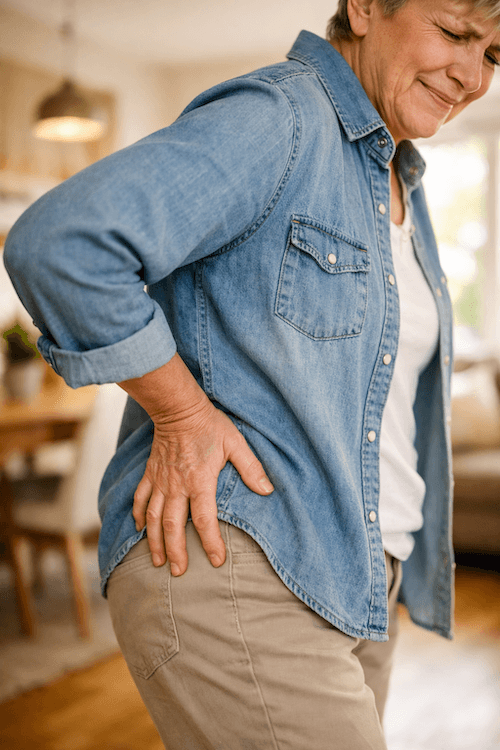
Chronic hip pain is a common and often frustrating issue for women going through menopause. Many attribute this discomfort to "wear and tear" of the joints , but emerging research reveals that there’s much more at play. One of the lesser-known culprits is cortisol dysregulation—when the body’s main stress hormone, cortisol, becomes unbalanced. This can have a significant impact on women’s health as they experience the hormonal shifts of menopause . By understanding the roles of both cortisol and menopause, we can begin to unravel why persistent hip pain occurs in so many women during this stage of life. In this article, we’ll break down what happens when cortisol levels go awry, explore the hormonal changes of menopause, and uncover how the two combine to drive chronic hip discomfort. Our goal is to shed light on this hidden connection and offer practical insights for those affected.
What Is Cortisol Dysregulation?
Cortisol is often called the body’s “stress hormone” because it helps us handle physical and emotional challenges. Produced by the adrenal glands, its levels rise and fall each day in a healthy, natural rhythm controlled by the brain’s hypothalamus and pituitary gland.
But when stress is relentless or this finely tuned system falters, cortisol can stay elevated for too long—a state known as cortisol dysregulation. High, prolonged cortisol levels can disrupt key functions, including immune system performance, metabolism, and the regulation of inflammation. Over time, these disruptions can damage tissues and aggravate inflammation, lead to aches, and foster conditions that cause chronic pain . Understanding how cortisol imbalance sets the stage for joint and muscle problems helps illuminate why it’s such a crucial factor in ongoing pain, especially as women age.
Menopause: How Hormonal Changes Affect Cortisol
Menopause marks a major hormonal milestone, as the ovaries slow and eventually stop producing oestrogen. While most people connect menopause with changes in fertility, oestrogen actually influences many other systems—including the way our bodies manage stress.
Oestrogen acts as a natural buffer, helping to keep cortisol levels in check. When oestrogen drops during menopause, the body loses some of its ability to moderate stress hormones, often resulting in higher and more persistent cortisol levels .
Research has shown that menopausal hormonal changes don’t just affect mood—they can also intensify pain and inflammation. For example, conditions like greater trochanteric pain syndrome (GTPS), which impacts the outer hip, are notably more common in postmenopausal women (Ganderton et al., 2016). Additionally, studies have found that joint and muscle pain, particularly in areas like the hips and shoulders, becomes more pronounced during menopause (Park & Kim, 2012). This combination of increased cortisol and lowered oestrogen creates an environment where pain can thrive—especially in the hips, which carry much of the body’s weight and are prone to stress.
Next steps
Where to go from here
These routes are selected from the topic and purpose of this article. They are guidance, not a diagnosis or treatment recommendation.
Learn more
Explore treatment options
Talk to the team
Book a free discovery call
How Cortisol Dysregulation Leads to Hip Pain
The link between cortisol imbalance and hip pain is both complex and significant. Persistently high cortisol levels can weaken bones and contribute to the breakdown of cartilage , making joints more fragile. At the same time, an overstimulated stress response fuels inflammation, further irritating the joints and surrounding tissues.
This chronic inflammation can throw off the delicate balance between muscles and bones, changing movement patterns and increasing the strain on hips. As pain and inflammation disrupt daily life, they can interfere with sleep, activity, and overall well-being—creating a cycle that perpetuates discomfort and hormonal disturbance.
What’s especially important is that many women don’t realize that their hip pain is driven by more than just aging or physical activity. Instead, it often results from a deeper interplay between stress, hormone changes, and the body’s pain response. Shifting the focus from simply easing symptoms to understanding—and addressing—these root causes is crucial for lasting relief.
Conclusion: Looking Ahead
Cortisol dysregulation is a hidden driver behind the chronic hip pain many women experience during menopause. Falling oestrogen levels upset the body’s stress balance, increasing inflammation and vulnerability in the joints. By shining a light on this connection, women and their healthcare providers can begin to combine hormonal support with targeted strategies to manage stress and reduce inflammation—treating more than just the pain.
As research into this area grows, it’s clear that personalized approaches will be key. Raising awareness about the intertwined roles of cortisol and menopause brings hope for more effective and lasting relief—improving quality of life for countless women navigating this important life transition.
References
Pegado, R., Lemos, T. M. A. M., Spyrides, M. H. C., & de Sousa, M. B. C. (2012). Influence of cortisol and DHEA-S on pain and other symptoms in postmenopausal women with fibromyalgia. Journal of Back and Musculoskeletal Rehabilitation, 25(4), 245-252. https://doi.org/10.3233/bmr-2012-0331
Ganderton, C., Semciw, A. I., Cook, J., & Pizzari, T. (2016). Does menopausal hormone therapy (MHT), exercise or a combination of both, improve pain and function in post-menopausal women with greater trochanteric pain syndrome (GTPS)? A randomised controlled trial. BMC Women's Health, 16(1). https://doi.org/10.1186/s12905-016-0311-9
Park, S., & Kim, H. (2012). Survey on clothing worn by middle-aged women undergoing menopause and their satisfaction with garments according to menopausal symptoms. Journal of the Korean Society of Clothing and Textiles, 36(11), 1186-1196. https://doi.org/10.5850/jksct.2012.36.11.1186
Next steps
Where to go from here
These routes are selected from the topic and purpose of this article. They are guidance, not a diagnosis or treatment recommendation.
Learn more
Explore treatment options
Use a structured overview to narrow down the most useful next step for your situation.
Talk to the team
Book a free discovery call
A non-medical call with the team to understand services and choose the right booking route.
Legal & Medical Disclaimer
This article is published by London Cartilage Clinic for general information and education only. It does not constitute medical advice, diagnosis, or treatment.
Always seek personalised advice from a qualified healthcare professional before making decisions about your health. London Cartilage Clinic accepts no responsibility for errors, omissions, third-party content, or any loss, damage, or injury arising from reliance on this material.
If you believe this article contains inaccurate or infringing content, please contact us at [email protected].


