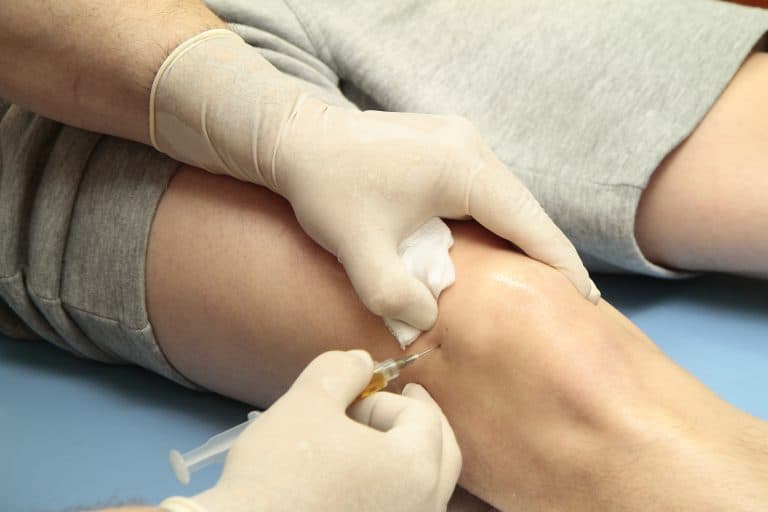



Unlocking the Potential of Knee Cartilage Regeneration: Exploring Natural Repair and Emerging Therapies
Introduction: Why Knee Cartilage Damage Matters
Knee cartilage damage is a widespread problem, causing pain and limiting movement for millions of people. This leads to a key question: can knee cartilage actually grow back after an injury? For anyone struggling with knee pain and for medical researchers seeking better treatments, the answer matters. Recent advances have given us new insight into the natural healing abilities of cartilage and opened doors to innovative therapies that could change the future of joint repair.
What Is Knee Cartilage and Why Is It Hard to Heal?
Knee cartilage , specifically articular cartilage , is a smooth, flexible layer that covers the ends of the bones within the knee joint . Its job is to cushion the bones, helping them glide over each other without pain or friction. Unlike most tissues, cartilage doesn’t have its own blood supply. This lack of blood vessels means it can’t easily get the nutrients and healing cells needed for repair. As a result, cartilage injuries often linger and may develop into long-lasting issues like osteoarthritis or persistent pain.
How Does Cartilage Repair Itself?
Although cartilage has a limited ability to heal, it isn’t completely helpless. Chondrocytes—specialized cartilage cells—are responsible for maintaining cartilage and can repair minor damage. The body also produces chemical signals that encourage these cells to grow and generate new cartilage , especially in younger people or in cases of small injuries. However, larger injuries or age-related wear and tear are more difficult to repair. Research also shows that factors such as age, body weight, genetics, and leg alignment all play a role in cartilage health and its capacity to heal . Interestingly, studies on animals have found that even when growing joints are made unstable—like after a ligament is removed—cartilage doesn’t always break down, suggesting some unexpected resilience, particularly in younger individuals.
Free non-medical discussion
Not sure what to do next?
Information only · No medical advice or diagnosis.
New Treatments That Help Cartilage Grow
Today, scientists are working on exciting new therapies designed to help cartilage regenerate . One promising approach is stem cell therapy , where building-block cells are encouraged to turn into healthy cartilage and rebuild damaged areas. Another innovative technique involves biomaterial implants—scaffold-like structures that mimic real cartilage and provide a supportive environment for new tissue to grow. Early research has shown encouraging results, with patients experiencing improved healing and better joint function. These new strategies are especially important as severe cartilage damage is a strong predictor for knee osteoarthritis and the potential need for joint replacement surgery.

Understanding the Key Terms
When keeping up with the latest research, it’s helpful to understand a few key terms:
- Knee cartilage regeneration: The process of new cartilage growing to restore damaged areas.
- Chondrocytes: The cells that build, maintain, and repair cartilage .
- Stem cell therapy : Using undifferentiated cells that can become cartilage cells to promote repair.
- Biomaterial implants: Artificial scaffolds placed where cartilage is damaged to support new growth.
- Joint repair: The overall process of healing and restoring function to a damaged joint.
These elements often work together— stem cells , scaffolds, and chondrocytes are all part of the growing toolkit used by doctors and scientists to help knees heal.
Challenges Still to Overcome
Although progress is being made, there are still hurdles to clear. Not every treatment works equally well for every patient, and rebuilding cartilage to its original, complex structure remains difficult. There’s also the risk that the body might react against implants or introduced cells, and we still need to learn more about the long-term results of these new therapies. Consistent, patient-centered outcome measures are needed to track which treatments work best. Continued scientific research and collaboration among doctors and scientists will be crucial to move from promising results in the lab to effective treatments for everyone who needs them.
Conclusion: Looking Ahead with Hope
Knee cartilage regeneration is an exciting, rapidly evolving field. While the body’s natural repair powers have their limits, innovative research and technologies are creating new possibilities for healing damaged joints . The road ahead still has challenges, but developments in stem cell therapy , biomaterials , and our growing understanding of healing are bringing real hope. For patients, healthcare providers, and researchers, staying informed about these advances is key as we move closer to a future where knee cartilage injuries can be effectively—and naturally—repaired.
References
Ding, C., Cicuttini, F., & Jones, G. (2007). Tibial subchondral bone size and knee cartilage defects: relevance to knee osteoarthritis. Osteoarthritis and Cartilage, 15(5), 479-486. https://doi.org/10.1016/j.joca.2007.01.003
Messner, K., Lundberg, M., & Andersson, B. M. (1996). The effect of removal of the medial collateral ligament on subchondral bone and cartilage in the growing rat knee joint. Cells Tissues Organs, 156(1), 34-40. https://doi.org/10.1159/000147825
Oak, S. R., & Spindler, K. P. (2020). Measuring outcomes in knee articular cartilage pathology. The Journal of Knee Surgery, 34(01), 011-019.
Legal & Medical Disclaimer
This article is written by an independent contributor and reflects their own views and experience, not necessarily those of London Cartilage Clinic. It is provided for general information and education only and does not constitute medical advice, diagnosis, or treatment.
Always seek personalised advice from a qualified healthcare professional before making decisions about your health. London Cartilage Clinic accepts no responsibility for errors, omissions, third-party content, or any loss, damage, or injury arising from reliance on this material.
If you believe this article contains inaccurate or infringing content, please contact us at [email protected].
London Cartilage Clinic
Modern treatments, designed for lasting knee outcomes
Every treatment plan is selected to help you return to the quality of life you deserve. Our team combines up-to-date techniques with consultant-led decision making across cartilage repair, regeneration and replacement.
What your journey can look like
Step 01
Consultant-Led Assessment
Symptoms, imaging and goals reviewed in one structured appointment.
Step 02
Personalised Treatment Plan
A clear route chosen from repair, regeneration or replacement options.
Step 03
Precision Delivery
Modern techniques and specialist equipment matched to your diagnosis.
Step 04
Long-Term Knee Health
Follow-up guidance focused on durable function and quality of life.