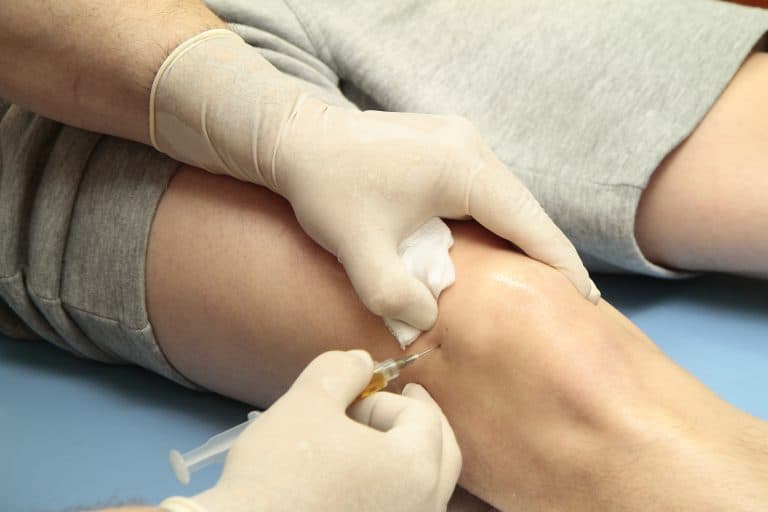



Unlocking Regenerative Potential: How ChondroFiller Bridges the Gap in Cartilage Self-Repair
The Challenge of Healing Cartilage
Cartilage injuries are a frequent but frustrating problem. Unlike other body tissues, cartilage lacks its own blood supply, making self-repair difficult. Everyday movements and aging can gradually wear down this vital tissue, leading to pain and reduced mobility. Traditional treatments —like debridement or microfracturing—can offer only temporary relief, often falling short of restoring true function. Thankfully, new advances in regenerative medicine are delivering better options. Among them, ChondroFiller stands out as a collagen-based matrix that harnesses the body’s own repair mechanisms to encourage genuine healing.
Articular cartilage is the smooth layer covering the ends of bones in our joints, enabling easy, pain-free motion. Because it has few nutrients and no blood vessels, damaged cartilage struggles to heal, and injuries often lead to progressive joint deterioration. Common procedures like debridement or microfracture try to stimulate repair but usually cannot bring cartilage back to its original quality or strength. ChondroFiller offers a fresh approach, supporting the growth of authentic new cartilage rather than just managing symptoms.
How ChondroFiller Works: Unlocking the Body’s Healing Capability
ChondroFiller is primarily made of type I collagen , a natural protein that provides a supportive framework within the damaged area. Unlike therapies that insert new cells, ChondroFiller attracts the patient’s own stem cells from surrounding tissues. These stem cells move into the collagen scaffold, where they mature into chondrocytes—the specialized cells that build healthy cartilage .
In laboratory and clinical studies, this strategy has been shown to boost the growth of new cartilage. ChondroFiller recreates an environment similar to natural cartilage, giving stem cells the support and signals they need to thrive . The matrix is designed to handle joint movement and pressure just like natural tissue, which encourages these cells to multiply and create durable new cartilage . By offering a “home” for repair cells, ChondroFiller makes the regeneration process far more effective.
Recent research highlights impressive outcomes using collagen scaffolds for cartilage repair . For example, a study by De Lucas Villarrubi et al. (2021) reported that after two years, most patients with significant cartilage defects experienced strong improvements in hip function and pain, with the vast majority achieving clinically meaningful results. These findings demonstrate that supporting the body’s own cells with a tailored scaffold can lead to real, lasting regeneration.
Free non-medical discussion
Not sure what to do next?
Information only · No medical advice or diagnosis.
Real-World Benefits: Less Pain, Better Mobility
Patients treated with ChondroFiller often notice rapid relief from pain, along with smoother joint movement and improved function in daily activities. Clinical measurements—such as the International Knee Documentation Committee (IKDC) score—consistently indicate significant progress following the procedure.
A key strength of ChondroFiller is its ability to intervene before cartilage damage becomes severe. By promoting natural repair early, it helps patients escape the downward spiral of ongoing damage and chronic pain. This makes it possible to protect long-term joint health and maintain activity levels.
Evidence from multiple studies supports these benefits, confirming that ChondroFiller moves beyond short-term fixes to stimulate true cartilage regeneration . Its use is straightforward, cost-effective, and adaptable for various joint defects, making it an appealing solution for both patients and clinicians.

Looking Ahead: The Future of Cartilage Regeneration
ChondroFiller represents a promising step forward in treating cartilage injuries. By tackling the fundamental reasons cartilage struggles to heal—poor blood supply and limited self-repair—it enables the growth of healthy new tissue and offers hope for meaningful, long-lasting relief.
While current results are very encouraging, ongoing studies will continue to optimize this technology and confirm its benefits across different types of cartilage injuries . Over time, improvements may further expand its uses to other joints and more complex cases. As regenerative medicine advances, innovations like ChondroFiller are poised to transform how we heal cartilage , restore movement, and improve quality of life.
In short, ChondroFiller is helping to unlock the body’s own healing potential, paving the way for healthier, more active futures for people living with cartilage damage .
References
Weizel, A., Distler, T., Schneidereit, D., & Friedrich, O. (2020). Complex mechanical behavior of human articular cartilage and hydrogels for cartilage repair. Acta Biomaterialia. https://doi.org/10.1016/j.actbio.2020.10.025
Perez-Carro, L., Mendoza Alejo, P. R., Gutierrez Castanedo, G., Menendez Solana, G., Fernandez Divar, J. A., Galindo Rubin, P., & Alfonso Fernandez, A. (2021). Hip Chondral Defects: Arthroscopic Treatment With the Needle and Curette Technique and ChondroFiller. Arthroscopy Techniques. https://doi.org/10.1016/j.eats.2021.03.011
De Lucas Villarrubi, J. C., Méndez Alonso, M. Á., Sanz Pérez, M. I., Trell Lesmes, F., & Panadero Tapia, A. (2021). Acellular Matrix-Induced Chondrogenesis Technique Improves the Results of Chondral Lesions Associated With Femoroacetabular Impingement. Arthroscopy. https://doi.org/10.1016/j.arthro.2021.08.022
Frequently Asked Questions
- London Cartilage Clinic stands out for its comprehensive focus on advanced cartilage regeneration techniques, including ChondroFiller. Led by Professor Lee, a renowned specialist, the clinic combines cutting-edge technology, research-backed interventions, and a personalised approach, ensuring patients receive world-class care tailored to unique joint problems and recovery goals.
- Professor Lee brings years of expertise in orthopaedics and regenerative medicine, offering patients access to the latest innovations and proven treatment strategies. His hands-on approach, academic leadership, and successful track record in cartilage repair ensure patients at London Cartilage Clinic are treated with the highest level of skill and knowledge.
- ChondroFiller uses a collagen-based matrix to attract the patient’s own stem cells, promoting natural cartilage regeneration rather than just managing symptoms. Clinical studies demonstrate improved joint function and reduced pain. This technique aims for long-term restoration, making it a more advanced and appealing solution compared to conventional methods.
- Professor Lee advocates evidence-based, minimally invasive treatments that harness the body’s innate healing ability. ChondroFiller supports this strategy by enabling genuine tissue regeneration, preserving joint health, and encouraging early intervention. Under his guidance, patients benefit from therapies that prioritise safety, recovery, and a return to active lifestyles.
- Early intervention at London Cartilage Clinic, under Professor Lee’s care, enables patients to address cartilage problems before they worsen. Timely use of advanced techniques like ChondroFiller helps maintain joint function, reduce pain, and avoid the cycle of progressive deterioration, paving the way for better long-term outcomes and activity levels.
Legal & Medical Disclaimer
This article is written by an independent contributor and reflects their own views and experience, not necessarily those of London Cartilage Clinic. It is provided for general information and education only and does not constitute medical advice, diagnosis, or treatment.
Always seek personalised advice from a qualified healthcare professional before making decisions about your health. London Cartilage Clinic accepts no responsibility for errors, omissions, third-party content, or any loss, damage, or injury arising from reliance on this material.
If you believe this article contains inaccurate or infringing content, please contact us at [email protected].
London Cartilage Clinic
Modern treatments, designed for lasting knee outcomes
Every treatment plan is selected to help you return to the quality of life you deserve. Our team combines up-to-date techniques with consultant-led decision making across cartilage repair, regeneration and replacement.
What your journey can look like
Step 01
Consultant-Led Assessment
Symptoms, imaging and goals reviewed in one structured appointment.
Step 02
Personalised Treatment Plan
A clear route chosen from repair, regeneration or replacement options.
Step 03
Precision Delivery
Modern techniques and specialist equipment matched to your diagnosis.
Step 04
Long-Term Knee Health
Follow-up guidance focused on durable function and quality of life.
Will the Arthrosamid work for me
PAAG-8+ Questionnaire
A bright, structured entry point for patients exploring Arthrosamid. The questionnaire helps frame suitability, expectations, and 24-month clinical benefit discussion before a fuller consultant-led review.
Designed for shared decision-making. It does not replace specialist consultation, examination, imaging review, or formal medical advice.