


Understanding Knee Cartilage: Its Role, Challenges, and Exciting New Treatments
Introduction
Most of us don’t spend much time thinking about our knee cartilage —until something goes wrong. But this amazing tissue does the hard work of keeping our knees moving smoothly and pain-free. When it’s damaged, everyday activities can quickly become difficult or painful. In this article, we’ll explore what knee cartilage is, why it’s so challenging to repair, and the latest medical breakthroughs that could change the future of knee injury treatment. With insights from up-to-date scientific research, we’ll keep things clear, approachable, and engaging.
What Is Knee Cartilage and Why Is It Important?
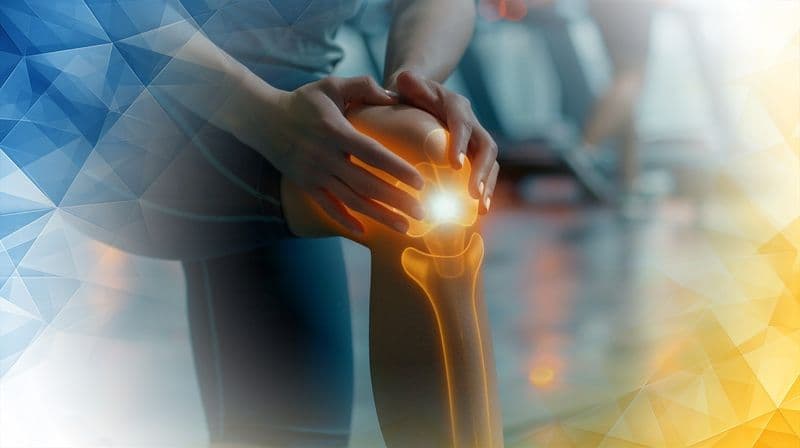
Knee cartilage is a specialized, smooth tissue that covers the ends of the bones where they meet inside your knee joint . Imagine it as both a shock absorber and a gliding surface—it keeps bones from grinding together while allowing your knee to move freely. Cartilage is made up of strong collagen fibers and proteoglycans, which hold water and keep the tissue both tough and flexible. This resilient combination lets your knees handle the constant stresses of walking, running, and jumping.
A key challenge is that knee cartilage doesn’t have its own blood supply. Instead, it receives nutrients slowly from the surrounding joint fluid . This lack of direct nourishment means that, if cartilage is damaged, it has a very limited ability to heal itself naturally. That’s why even small injuries can cause lasting problems, and why scientists have long struggled to find effective repair solutions.
Why Is Repairing Knee Cartilage So Difficult?
Unlike skin or muscle, knee cartilage is tough to repair. When it’s injured—from sports, accidents, or just years of use—it doesn’t grow back easily. Damaged cartilage can lead to pain, stiffness, and, over time, arthritis. Common surgical options, like microfracture surgery (which creates tiny holes in the bone to boost healing) or autologous chondrocyte implantation (which grows new cartilage cells in the lab), can help, but they come with limitations and aren’t always a lasting fix.
The main problem lies in the unique biology of cartilage: its specialized mix of proteins and cells, paired with the absence of blood vessels, makes full recovery difficult. While advanced imaging, such as MRI, now allows doctors to spot early cartilage changes —sometimes before pain even begins—the biological hurdles remain. Even with these tools, reversing the damage is still a major challenge, and most treatments aim for symptom relief rather than true regeneration .
Although surgical techniques have improved and options like cartilage transplants are now more widely available, the reality is that many patients still struggle to regain full knee function, especially with larger or more complex injuries. Successful outcomes can also depend on which part of the knee is affected.
Free non-medical discussion
Not sure what to do next?
Information only · No medical advice or diagnosis.
New Treatments on the Horizon
Despite these challenges, the future of knee cartilage repair is brighter than ever. Scientists are developing innovative approaches that go beyond simply patching up damage. One promising area is the use of scaffolds—engineered structures designed to mimic natural cartilage. These structures act as a framework to support the growth of healthy new tissue and give cells a place to thrive .
Other leading-edge strategies include stem cell therapy and 3D bioprinting. Stem cells can develop into new cartilage cells, potentially restoring cushion and mobility. 3D bioprinting, meanwhile, builds layers of cartilage-like tissue with remarkable precision. Together, these technologies aim to overcome the biggest drawbacks of traditional treatments and offer the possibility of more durable, natural-feeling repairs.
Researchers are also exploring gene therapy , specialized growth factors, and materials that can enhance cartilage regrowth or protect existing tissue. Although some of these methods are still in the experimental stage, early results are exciting and hint at a new era in treating knee injuries .

Looking Ahead: The Future of Knee Cartilage Care
Knee cartilage is an incredible yet fragile tissue that’s key to joint health. Its complex nature has made repair notoriously difficult, but exciting scientific advances are paving the way for more effective solutions. While current treatments can relieve symptoms and restore some function, there’s new hope on the horizon for therapies that can truly rebuild cartilage .
With continued research and innovation, the next generation of treatments could potentially restore healthy, pain-free movement for millions. As scientists refine these emerging therapies, we’re moving closer to a future where knee cartilage injuries are no longer a life-altering setback, but a problem with real, lasting solutions.
References
Aisen, A. M., McCune, W. J., Macguire, A., Carson, P. L., Silver, T. M., Jafri, S., & Martel, W. (1984). Sonographic evaluation of the cartilage of the knee. Radiology, 153(3), 781-784. https://doi.org/10.1148/radiology.153.3.6387794
Refaat, M., Ali, M., Shahin, M. A., & Elshazly, I. (2022). Causes of knee joint pain related to cartilage: Evaluation by MRI cartilage mapping of the knee. Benha Medical Journal. https://doi.org/10.21608/bmfj.2022.163439.1672
Rodríguez‐Merchán, E. C. (2012). Regeneration of articular cartilage of the knee. Rheumatology International, 33(4), 837-845. https://doi.org/10.1007/s00296-012-2601-3
Frequently Asked Questions
- London Cartilage Clinic is dedicated to using the most advanced diagnostic tools and therapies. Led by Professor Lee, an expert in cartilage repair, the clinic is renowned for tailored treatment plans and innovative care. Patients benefit from evidence-based solutions and a multidisciplinary approach in a supportive environment.
- Knee cartilage lacks its own blood supply, which means it receives nutrients slowly and heals much less efficiently than tissues like skin or muscle. This makes even minor injuries difficult to recover from, and often requires expert intervention and advanced treatments to restore function and comfort.
- Professor Lee is skilled in employing leading-edge methods such as stem cell therapy, cartilage transplants, and scaffold implants. His expertise ensures each patient receives a personalised strategy, combining the latest research with proven practice, to optimise results and enhance return to activity and quality of life.
- London Cartilage Clinic is at the forefront of incorporating new technologies such as 3D bioprinting, stem cell therapy, and gene therapy. These approaches aim to create stronger, longer-lasting cartilage repairs and may provide options for patients whose conditions are not adequately addressed by traditional techniques.
- If you experience knee pain, stiffness, or limited movement following injury or over time, it’s important to consult an expert. Professor Lee’s vast experience allows for thorough assessment and access to innovative treatment options, helping prevent further joint damage and supporting long-term mobility and wellbeing.
Legal & Medical Disclaimer
This article is written by an independent contributor and reflects their own views and experience, not necessarily those of London Cartilage Clinic. It is provided for general information and education only and does not constitute medical advice, diagnosis, or treatment.
Always seek personalised advice from a qualified healthcare professional before making decisions about your health. London Cartilage Clinic accepts no responsibility for errors, omissions, third-party content, or any loss, damage, or injury arising from reliance on this material.
If you believe this article contains inaccurate or infringing content, please contact us at [email protected].
London Cartilage Clinic
Modern treatments, designed for lasting knee outcomes
Every treatment plan is selected to help you return to the quality of life you deserve. Our team combines up-to-date techniques with consultant-led decision making across cartilage repair, regeneration and replacement.
What your journey can look like
Step 01
Consultant-Led Assessment
Symptoms, imaging and goals reviewed in one structured appointment.
Step 02
Personalised Treatment Plan
A clear route chosen from repair, regeneration or replacement options.
Step 03
Precision Delivery
Modern techniques and specialist equipment matched to your diagnosis.
Step 04
Long-Term Knee Health
Follow-up guidance focused on durable function and quality of life.
Will the Arthrosamid work for me
PAAG-8+ Questionnaire
A bright, structured entry point for patients exploring Arthrosamid. The questionnaire helps frame suitability, expectations, and 24-month clinical benefit discussion before a fuller consultant-led review.
Designed for shared decision-making. It does not replace specialist consultation, examination, imaging review, or formal medical advice.