

Understanding Hip Muscle Compartmentalisation: Unlocking Better Diagnosis and Treatment for Hip Pain
Introduction
Hip pain is a widespread problem—and often a challenging one to diagnose and treat. Thanks to advances in anatomy and imaging, healthcare professionals are taking a closer look at the muscles surrounding the hip joint to improve the way they care for patients. Recent research reveals that hip muscles aren’t just uniform masses of tissue. Instead, each muscle is made up of distinct compartments, or subunits, each with its own function. In this article, we’ll dive into the concept of hip muscle compartmentalisation, explore the key muscles involved in hip movement, and explain why understanding this detail is so important for managing hip pain .
The Muscles of the Hip: More Than Meets the Eye
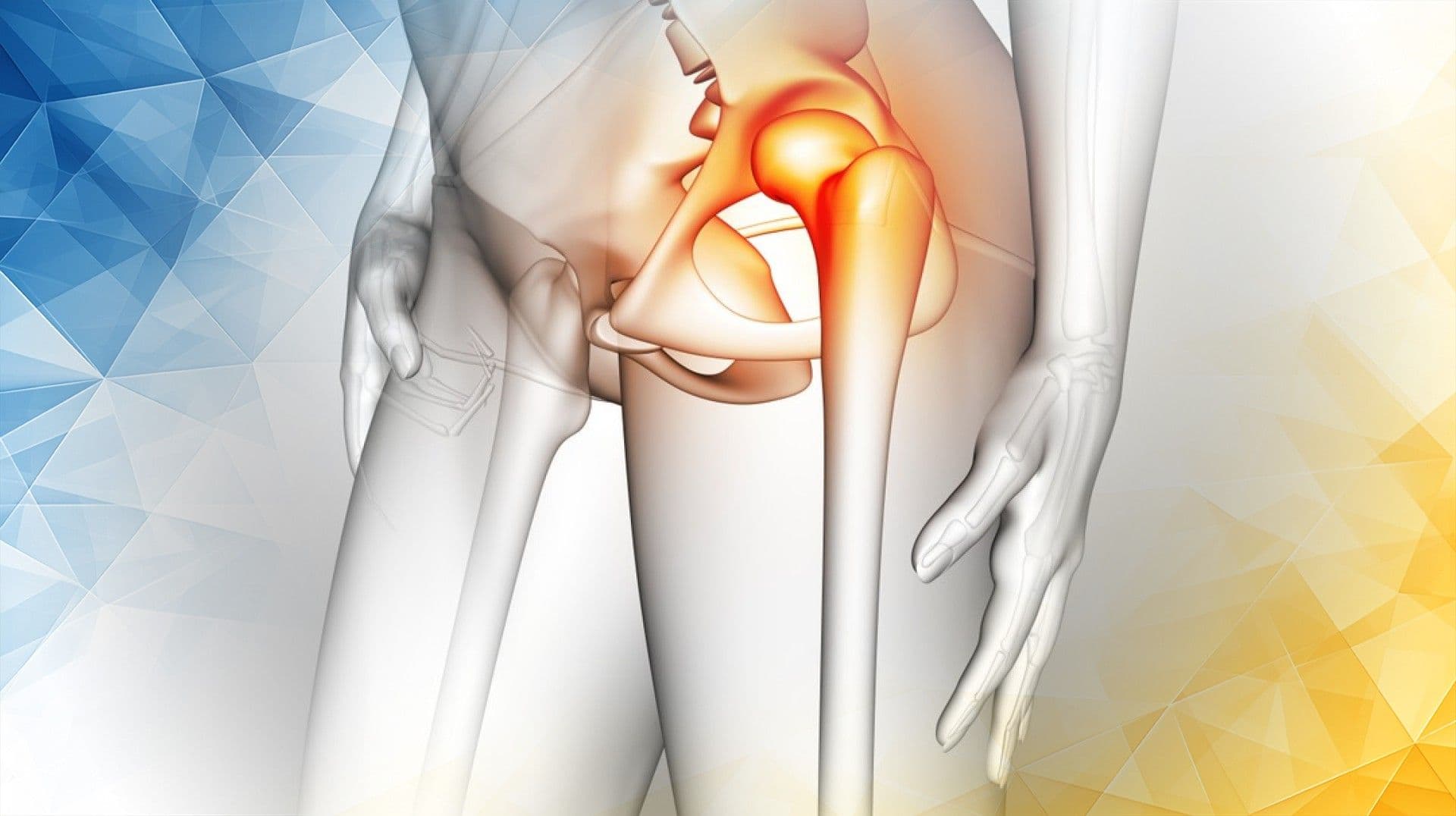
The muscles around your hip are crucial for everyday activities such as walking, running, and keeping your balance. Two main groups of muscles do much of the work: the hip abductors and the hip flexors. The hip abductors—including the gluteus medius, gluteus minimus, and tensor fascia lata—help keep your pelvis stable with each step. The hip flexors, such as the iliacus and psoas muscles, allow you to lift your leg forward.
What makes these muscles especially interesting is that each major muscle isn’t just a single, solid structure. Instead, they’re built from several compartments—smaller sections within the larger muscle, each with different connections to bones. For example, the gluteus medius and gluteus minimus have distinct compartments that attach to different parts of the hip and thigh, allowing for precise control and finely tuned movement. In the iliacus muscle, different subunits connect to different spots on the pelvis and thigh bone, making it possible to perform a wide variety of movements. This detailed anatomy helps explain why an injury in just one part of a muscle can lead to very specific symptoms, depending on which compartment is affected. Anatomical studies and medical imaging have confirmed considerable variation in the structure of these muscles from person to person.
Free non-medical discussion
Not sure what to do next?
Information only · No medical advice or diagnosis.
Why Muscle Compartments Matter for Hip Pain and Movement
The structure and arrangement of these muscle compartments play a major role in hip function —and in the development of pain. Differences in how the compartments attach to bones, as well as the leverage each one has, can influence the forces across the hip joint . This, in turn, affects the joint’s stability and how well it withstands everyday stresses.
Consider hip dysplasia , a condition in which the hip socket doesn’t fully cover the ball of the joint. Here, imbalances in strength or tension among the hip abductor compartments can place extra strain on the joint and lead to pain. Likewise, if a specific subunit of the hip flexors is strained or injured, it may cause sharp pain during activities like lifting the leg. Knowing which muscle compartment is involved enables doctors and physical therapists to create targeted rehabilitation programs. Instead of one-size-fits-all exercises, therapy can focus on strengthening or lengthening just the parts that need it most—making recovery faster and more effective.
Direct imaging, such as CT scans and ultrasound, is increasingly being used to identify these individual compartments and their attachments. This precision is helping healthcare providers match symptoms to specific muscle regions, leading to more accurate diagnoses and better treatment.

Putting This Knowledge Into Practice
Understanding muscle compartmentalisation isn’t just interesting—it has real, practical benefits for both patients and healthcare professionals. During diagnosis , a combination of a thorough physical exam and advanced imaging can pinpoint which muscle compartments are affected. This level of detail leads to more accurate diagnoses and personalised treatment plans that address the root of the problem.
For patients asking how to relieve hip pain , this approach means exercises can be customised: targeting weak areas for strengthening, or tight compartments for stretching. As research continues, we’ll learn even more about how these compartments influence hip function , injury, and recovery. Embracing this nuanced view of hip anatomy highlights a new era of personalised physiotherapy and orthopaedic care. A better understanding of the specific anatomy and function of these muscles is paving the way for improved outcomes for those suffering from hip pain .
Conclusion
Recognising that hip muscles consist of distinct compartments is changing the way we understand hip pain and function. By appreciating the unique roles of these muscle subunits, clinicians can make more accurate diagnoses and create treatments tailored to each patient’s needs—promoting faster and more complete recovery. As research builds on these discoveries, integrating them into everyday practice promises to transform how we approach hip pain . Keeping up-to-date with these advances is essential for anyone involved in musculoskeletal health , ensuring patients get the best possible care.
References
Clark, J. M., & Haynor, D. R. (1987). Anatomy of the abductor muscles of the hip as studied by computed tomography. The Journal of Bone and Joint Surgery (American), 69(7), 1021-1031.
Flack, N. A. M. S., Nicholson, H., & Woodley, S. J. (2011). A review of the anatomy of the hip abductor muscles, gluteus medius, gluteus minimus, and tensor fascia lata. Clinical Anatomy, 25(6), 697-708. https://doi.org/10.1002/ca.22004
Legal & Medical Disclaimer
This article is written by an independent contributor and reflects their own views and experience, not necessarily those of London Cartilage Clinic. It is provided for general information and education only and does not constitute medical advice, diagnosis, or treatment.
Always seek personalised advice from a qualified healthcare professional before making decisions about your health. London Cartilage Clinic accepts no responsibility for errors, omissions, third-party content, or any loss, damage, or injury arising from reliance on this material.
If you believe this article contains inaccurate or infringing content, please contact us at [email protected].
London Cartilage Clinic
Modern treatments, designed for lasting knee outcomes
Every treatment plan is selected to help you return to the quality of life you deserve. Our team combines up-to-date techniques with consultant-led decision making across cartilage repair, regeneration and replacement.
What your journey can look like
Step 01
Consultant-Led Assessment
Symptoms, imaging and goals reviewed in one structured appointment.
Step 02
Personalised Treatment Plan
A clear route chosen from repair, regeneration or replacement options.
Step 03
Precision Delivery
Modern techniques and specialist equipment matched to your diagnosis.
Step 04
Long-Term Knee Health
Follow-up guidance focused on durable function and quality of life.
Will the Arthrosamid work for me
PAAG-8+ Questionnaire
A bright, structured entry point for patients exploring Arthrosamid. The questionnaire helps frame suitability, expectations, and 24-month clinical benefit discussion before a fuller consultant-led review.
Designed for shared decision-making. It does not replace specialist consultation, examination, imaging review, or formal medical advice.