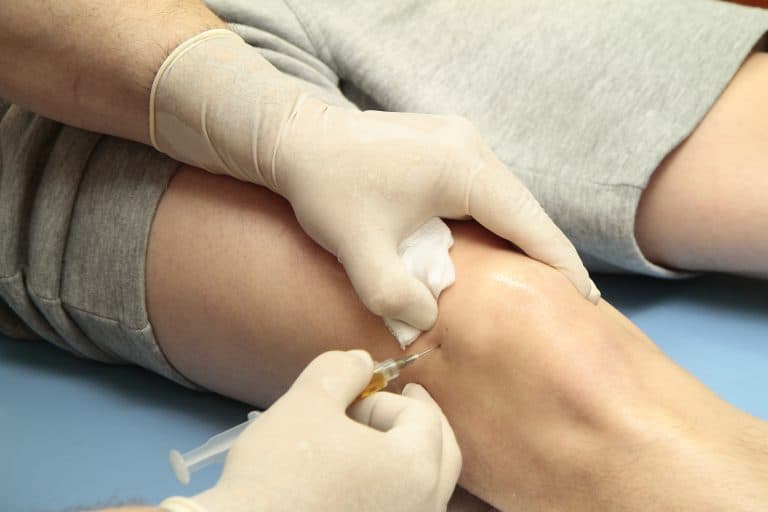



Arthritis, particularly osteoarthritis, is a common condition that leads many people to consider cartilage surgery as a treatment option. This article delves into how arthritis can necessitate such surgeries and the innovative techniques used to alleviate symptoms and improve joint functionality. As arthritis progresses, it significantly impairs cartilage, necessitating interventions that not only relieve symptoms but also aim to delay further degenerative changes.
What are the symptoms of Arthritis?
Arthritis is a condition that is primarily localised to a patient’s joints, often increasing in severity with age. It causes the cartilage situated at the end of the bones to wear down, thereby leaving the joints prone to to damage. If you have arthritis or osteoarthritis, you may notice the following:
- Pain when moving the joint.
- Joint stiffness.
- The skin around the affected joints being tender to the touch.
- Swelling around the affected joint.
- Grating sensation or clicking sound when you go to move the joint.
Free non-medical discussion
Not sure what to do next?
Information only · No medical advice or diagnosis.
Is Arthritis a Cause for Cartilage Surgery?
Arthritis, especially osteoarthritis, is characterized by the wear and tear of cartilage, the smooth, cushion-like tissue that covers the ends of bones in a joint. As this cartilage erodes, the bones may begin to rub against each other, causing severe pain, swelling, and reduced motion. When conservative treatments fail, cartilage surgery becomes a necessary step to repair the damaged cartilage and restore joint function.

How Does Cartilage Surgery Help?
Cartilage repair surgeries, such as microfracture, autologous chondrocyte implantation, and osteochondral grafts, are designed to promote the growth of new cartilage. These procedures aim to fill the cartilage defects and are particularly beneficial in early stages of osteoarthritis or for younger patients who wish to delay or avoid joint replacement surgery.
Conclusion
For patients suffering from arthritis, particularly osteoarthritis, cartilage surgery offers a promising solution to restore joint function and alleviate pain. By integrating advanced surgical techniques with a thorough understanding of joint mechanics and cellular biology, our interventions not only relieve symptoms but also aim to preserve joint integrity for as long as possible. Contact London Cartilage Clinic to get started in returning to a pain free life.
Frequently Asked Questions
- The mechanical stability of the joint is paramount. Proper alignment and weight distribution are critical to the longevity of the surgery's outcomes. Surgical techniques are designed to restore this balance, thereby enhancing the efficacy of the cartilage repair.
- Chemically, the focus is on creating an environment that supports healing. Surgical sites often employ biomaterials that encourage the body’s cells to regenerate the cartilage matrix, effectively using chemistry to kickstart the body’s natural repair mechanisms.
- Biologically, the procedures attempt to <a href="https://londoncartilage.com/cartilage-regeneration/">regenerate cartilage</a> through cellular responses. Techniques like autologous chondrocyte implantation involve harvesting cells from the patient's body, cultivating them in a lab, and reimplanting them into the damaged area, thereby fostering natural tissue regeneration.
- The recovery from <a href="https://londoncartilage.com/cartilage/">cartilage surgery</a> follows a critical timeline that involves initial healing, gradual rehabilitation, and long-term maintenance of joint health to ensure the best outcomes.
- Arthritis causes the cartilage to wear away, leading to pain and mobility issues. Surgery may be necessary to repair the damaged areas and prevent further joint deterioration.
- Common types include microfracture, which creates small holes to release cells that build new cartilage, and autologous chondrocyte implantation, where your own cells are used to grow new cartilage.
- Effectiveness can vary, but many patients experience significant improvement in pain and function, especially when surgery is performed in the early stages of cartilage damage.
- As with any surgery, risks include infection, bleeding, and the potential for the surgery not to provide the desired level of pain relief or mobility improvement.
- Recovery times can vary widely based on the specific procedure and patient factors, but it generally involves several weeks of limited activity followed by rehabilitation.
- While surgery cannot cure arthritis, it can significantly alleviate symptoms and improve joint function, potentially delaying the progression of the disease.
Legal & Medical Disclaimer
This article is written by an independent contributor and reflects their own views and experience, not necessarily those of London Cartilage Clinic. It is provided for general information and education only and does not constitute medical advice, diagnosis, or treatment.
Always seek personalised advice from a qualified healthcare professional before making decisions about your health. London Cartilage Clinic accepts no responsibility for errors, omissions, third-party content, or any loss, damage, or injury arising from reliance on this material.
If you believe this article contains inaccurate or infringing content, please contact us at [email protected].
London Cartilage Clinic
Modern treatments, designed for lasting knee outcomes
Every treatment plan is selected to help you return to the quality of life you deserve. Our team combines up-to-date techniques with consultant-led decision making across cartilage repair, regeneration and replacement.
What your journey can look like
Step 01
Consultant-Led Assessment
Symptoms, imaging and goals reviewed in one structured appointment.
Step 02
Personalised Treatment Plan
A clear route chosen from repair, regeneration or replacement options.
Step 03
Precision Delivery
Modern techniques and specialist equipment matched to your diagnosis.
Step 04
Long-Term Knee Health
Follow-up guidance focused on durable function and quality of life.
Will the Arthrosamid work for me
PAAG-8+ Questionnaire
A bright, structured entry point for patients exploring Arthrosamid. The questionnaire helps frame suitability, expectations, and 24-month clinical benefit discussion before a fuller consultant-led review.
Designed for shared decision-making. It does not replace specialist consultation, examination, imaging review, or formal medical advice.