

Understanding ACL Tear Recovery Time: Your Guide to Healing and Getting Back on Your Feet
Introduction: Why Knowing Your ACL Recovery Time Matters
An anterior cruciate ligament (ACL) tear is a serious knee injury that can disrupt your daily life and keep you sidelined for weeks or months. Whether you’re an athlete eager to return to your sport or someone just wanting to get back to everyday activities, knowing how long recovery takes is important. In this guide, we’ll walk you through the ACL recovery process—both with and without surgery—and share practical tips to help you heal and regain your confidence.
What Is an ACL Tear and How Does It Affect Recovery?
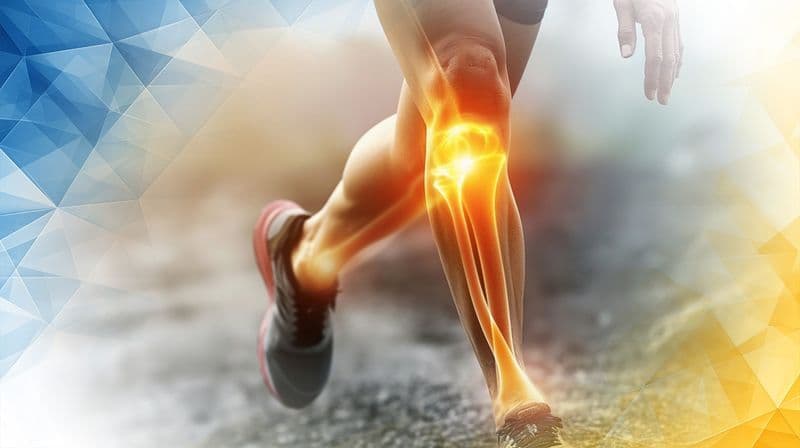
The ACL is one of the main ligaments inside your knee, stabilizing it during movements like twisting, pivoting, or turning. An ACL tear usually happens after a sudden twist or a direct impact, and the damage can range from a small partial tear to a complete rupture. The extent of your injury shapes your recovery.
A complete tear often requires surgery to reconstruct the ligament. Recovery from ACL surgery usually takes about six to nine months, depending on your personal healing process and rehabilitation efforts. For partial tears, or for those who are less physically active, non- surgical treatment might be recommended. Recovery in these cases can be shorter, but still requires careful management to avoid further injury .
ACL injuries can have lingering effects beyond the initial pain, swelling, and loss of movement. Long-term issues such as knee instability , muscle weakness, and even the risk of developing osteoarthritis are common. New research has found that ACL injuries can also affect your nervous system, influencing how your body moves and responds during rehabilitation.
Additionally, scientists now recognize that good nutrition and lifestyle habits play a critical role in healing. Eating a balanced diet rich in nutrients—such as collagen, vitamin C , and protein—along with getting enough sleep, can support your body’s repair processes and help strengthen your knee for the future.
Rehabilitation: The Road to Regaining Strength and Mobility
Rehabilitation is the foundation of a successful ACL recovery. A personalized rehab plan focuses on rebuilding strength, balancing your movements, and restoring confidence in your knee. Early in rehab, you’ll avoid high-impact activities and instead do gentle exercises that gradually reintroduce motion and prevent stiffness.
Today’s rehab programs often go beyond traditional exercises . New approaches include working not just on your physical strength, but also the communication between your knee and your brain. Techniques that improve coordination—like balance training or even virtual reality exercises—are gaining popularity and aim to restore both physical and neurological health.
It’s also important to support your rehab with the right nutrition. Research suggests that micronutrients, collagen -rich foods, and well-timed rest all help relieve microtrauma and promote ligament healing. Following a rehab plan that’s tailored to your specific needs, and working closely with your healthcare team, lowers your risk of re-injury and helps you steadily return to your regular activities.
After Surgery or Non-Surgical Treatment: What to Expect and How to Return to Daily Life
Whether you've had surgery or opted for a non-surgical approach, the first few weeks of recovery are critical. Rest, gentle movement , and proper pain management help protect your knee as it begins to heal. It’s especially important to avoid putting too much weight on your leg or resuming strenuous activities too soon.
When it comes to returning to work, how long you’ll need off depends on your job. Desk workers may get back in just a few weeks, while physically demanding jobs often require a longer break to ensure your knee is ready.
As you recover, increase your activity level gradually, always following your healthcare team’s advice. This step-by-step approach lets you rebuild strength and mobility safely, helping you gain confidence in your knee and preventing setbacks.
Conclusion: Taking Control of Your ACL Recovery
Every ACL injury —like every person—is different. Your recovery will depend on the severity of your injury, the treatment you and your doctors choose, and how closely you stick to your rehab plan. Whether you have surgery or not, the path to full recovery rests on taking rehabilitation seriously, following a personalized exercise program, and supporting your body with proper nutrition and rest.
Modern rehab techniques are not only improving recovery times, but also helping athletes and everyday people prevent future injuries . The most successful recoveries involve teamwork: patients, families, coaches, and healthcare professionals all play a role in making sure you heal well.
By understanding what to expect and respecting the healing process, you set yourself up for a safe, strong return to the activities you love. Stay patient, stay positive, and remember—recovery is a journey, but you're not walking it alone.
References
Kacprzak, B., Stańczak, M., & Surmacz, J. (2024). Biophysics of ACL Injuries. MDPI AG. https://doi.org/10.20944/preprints202408.0988.v2
Stańczak, M., Swinnen, B., Kacprzak, B., Pacek, A., & Surmacz, J. (2025). Neurophysiology of ACL Injury. Orthopedic Reviews, 17. https://doi.org/10.52965/001c.129173
Nyland, J., Pyle, B., Krupp, R., Kittle, G., Richards, J. H., & Brey, J. (2022). ACL microtrauma: healing through nutrition, modified sports training, and increased recovery time. Journal of Experimental Orthopaedics, 9(1). https://doi.org/10.1186/s40634-022-00561-0
Legal & Medical Disclaimer
This article is written by an independent contributor and reflects their own views and experience, not necessarily those of London Cartilage Clinic. It is provided for general information and education only and does not constitute medical advice, diagnosis, or treatment.
Always seek personalised advice from a qualified healthcare professional before making decisions about your health. London Cartilage Clinic accepts no responsibility for errors, omissions, third-party content, or any loss, damage, or injury arising from reliance on this material.
If you believe this article contains inaccurate or infringing content, please contact us at [email protected].
London Cartilage Clinic
Modern treatments, designed for lasting knee outcomes
Every treatment plan is selected to help you return to the quality of life you deserve. Our team combines up-to-date techniques with consultant-led decision making across cartilage repair, regeneration and replacement.
What your journey can look like
Step 01
Consultant-Led Assessment
Symptoms, imaging and goals reviewed in one structured appointment.
Step 02
Personalised Treatment Plan
A clear route chosen from repair, regeneration or replacement options.
Step 03
Precision Delivery
Modern techniques and specialist equipment matched to your diagnosis.
Step 04
Long-Term Knee Health
Follow-up guidance focused on durable function and quality of life.
Will the Arthrosamid work for me
PAAG-8+ Questionnaire
A bright, structured entry point for patients exploring Arthrosamid. The questionnaire helps frame suitability, expectations, and 24-month clinical benefit discussion before a fuller consultant-led review.
Designed for shared decision-making. It does not replace specialist consultation, examination, imaging review, or formal medical advice.