


The Role of Platelet-Rich Plasma Injection in the Conservative Treatment of Acetabular Labrum Tears
Introduction
Acetabular labrum tears are a common and challenging injury —particularly for athletes and those who lead active lives. The labrum is a ring of cartilage that surrounds the hip socket, stabilizing the joint and cushioning movement . When this cartilage is torn, it can lead to persistent pain, stiffness, and trouble moving the hip, making everyday activities and sports difficult. While surgery has often been the standard treatment, it comes with risks such as infection, lengthy recovery, and potential complications. As a result, there’s rising interest in less invasive options. One such promising therapy is platelet-rich plasma (PRP) injection, which uses your own blood to stimulate natural healing. In this article, we’ll explore how PRP works, what the latest research shows, and how it fits into conservative management for labrum tear s.
What Is PRP and How Does It Work?
Platelet-rich plasma (PRP) is created by taking a small blood sample and spinning it in a centrifuge to separate and concentrate the platelets . These platelets are rich in growth factors —proteins that play a crucial role in tissue repair. When injected into a torn labrum , PRP delivers a concentrated dose of these growth factors directly to the injury . This helps stimulate collagen production (important for cartilage health), reduces inflammation, and encourages new blood vessels to grow, all of which support the healing process. By focusing the body’s natural repair mechanisms right where they’re needed, PRP offers a targeted and drug-free approach to recovery. Some research even suggests that combining PRP with other regenerative therapies may further enhance healing.
What Does the Research Say?
Recent studies on PRP injections for acetabular labrum tears are encouraging. Many patients report significant reductions in pain and noticeable improvements in hip function after treatment. Compared to other injection therapies—like corticosteroids or ozone —PRP often leads to longer-lasting relief and a better restoration of mobility. This is especially valuable for athletes eager to return to their sport quickly and safely. However, it’s important to recognize that more high-quality studies are needed, as current research sometimes involves small participant groups or varying treatment protocols. Despite these limitations, the overall evidence points to PRP as a valuable conservative treatment , particularly when combined with physical therapy and other non-surgical strategies.
Free non-medical discussion
Not sure what to do next?
Information only · No medical advice or diagnosis.
Who Can Benefit and What Does Treatment Involve?
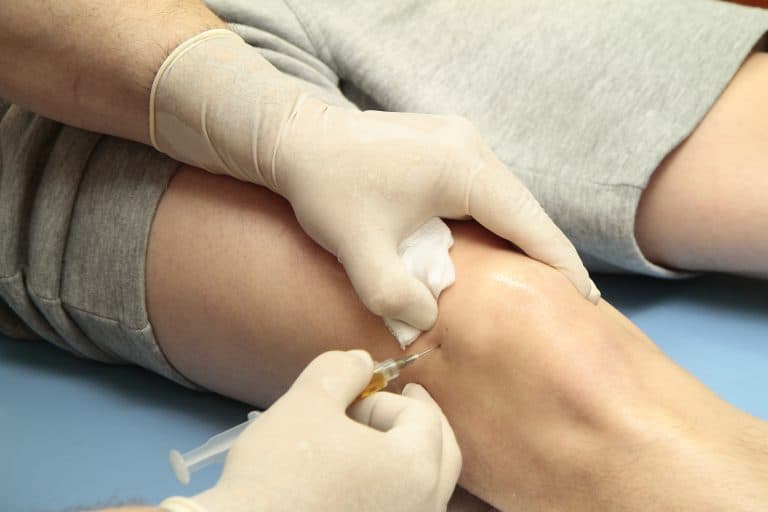
PRP injections are not suitable for everyone with a labrum tear . The best results are usually seen in younger, active individuals with partial tears and minimal arthritis in the hip joint. Treatment typically consists of a series of PRP injections spaced a few weeks apart. Doctors often use ultrasound or arthroscopic guidance to ensure precise placement of the PRP, which increases the likelihood of success. For optimal outcomes, PRP therapy is often combined with a tailored rehabilitation program involving physiotherapy and lifestyle modifications. One appealing aspect of PRP is its safety—few side effects have been reported, making it a low-risk option compared to surgery.

Looking Ahead: Challenges and Future Research
While PRP therapy offers great potential, there are still challenges to overcome. PRP preparations can vary in platelet and growth factor concentration depending on how the blood is processed, which means not all PRP treatments are the same. To ensure more consistent results, larger studies are needed to establish the best ways to prepare and administer PRP and to confirm its long-term effectiveness. Researchers are also exploring whether combining PRP with other modalities or using advanced imaging can further improve outcomes. Continued research will help refine PRP therapy and define its future role in treating labrum tears .
Conclusion
Platelet -rich plasma injections provide an exciting and less invasive alternative for treating acetabular labrum tears , particularly for those hoping to avoid surgery. By utilizing the body’s own healing capabilities, PRP can reduce pain, encourage tissue repair , and restore hip function. With growing research and expanding clinical use, PRP is becoming an important option for athletes and active individuals seeking faster recovery and healthier hips. As techniques improve and evidence grows, PRP therapy is positioned to play a key role in conservative hip injury management for years to come.
References
Zaha, I. A., Huniadi, A., Bodog, F., Seles, L., Toma, M. C., Maghiar, L., Bimbó-Szuhai, E., Bodog, A., Sachelarie, L., Florea, M., & Ștefan, L. (2023). Autologous Platelet-Rich Plasma (PRP) in Infertility—Infusion versus Injectable PRP. Journal of Personalized Medicine, 13(12), 1676. https://doi.org/10.3390/jpm13121676
Yeprem, L., Ellialtioglu, A., & Baeza-Noci, J. (2018). The efficacy of intra-articular PRP, Ozone and Ozone+PRP injections in patients with osteoarthritis. Journal of Ozone Therapy, 2(3). https://doi.org/10.7203/jo3t.2.3.2018.10904
Legal & Medical Disclaimer
This article is written by an independent contributor and reflects their own views and experience, not necessarily those of London Cartilage Clinic. It is provided for general information and education only and does not constitute medical advice, diagnosis, or treatment.
Always seek personalised advice from a qualified healthcare professional before making decisions about your health. London Cartilage Clinic accepts no responsibility for errors, omissions, third-party content, or any loss, damage, or injury arising from reliance on this material.
If you believe this article contains inaccurate or infringing content, please contact us at [email protected].
London Cartilage Clinic
Modern treatments, designed for lasting knee outcomes
Every treatment plan is selected to help you return to the quality of life you deserve. Our team combines up-to-date techniques with consultant-led decision making across cartilage repair, regeneration and replacement.
What your journey can look like
Step 01
Consultant-Led Assessment
Symptoms, imaging and goals reviewed in one structured appointment.
Step 02
Personalised Treatment Plan
A clear route chosen from repair, regeneration or replacement options.
Step 03
Precision Delivery
Modern techniques and specialist equipment matched to your diagnosis.
Step 04
Long-Term Knee Health
Follow-up guidance focused on durable function and quality of life.
Will the Arthrosamid work for me
PAAG-8+ Questionnaire
A bright, structured entry point for patients exploring Arthrosamid. The questionnaire helps frame suitability, expectations, and 24-month clinical benefit discussion before a fuller consultant-led review.
Designed for shared decision-making. It does not replace specialist consultation, examination, imaging review, or formal medical advice.