


The Remarkable Strength and Healing Potential of Ankle Cartilage: What Makes It Unique?
Introduction
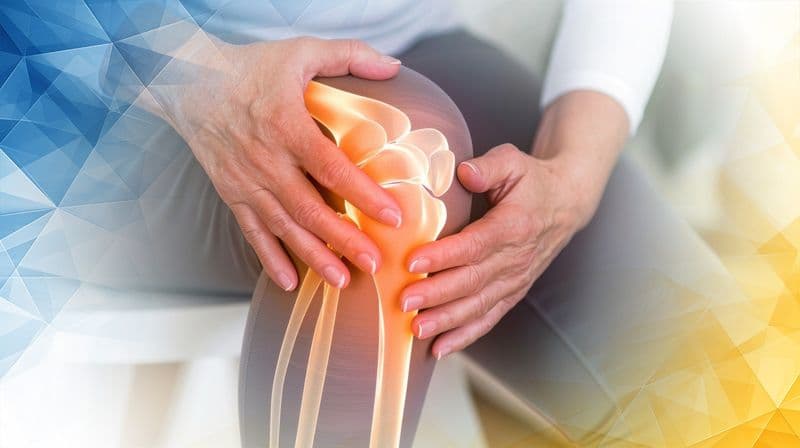
Articular cartilage is the smooth, rubbery tissue that covers the ends of bones in our joints, making movement easy and nearly frictionless. In the ankle, cartilage plays a vital role: it supports our body weight and enables walking, running, and jumping. What’s truly fascinating is how ankle cartilage stands up to such heavy and repeated stress, even though its ability to heal after injury is limited. In this article, we’ll explore what makes ankle cartilage so strong and resilient, why repairing it is a challenge, and how exciting new treatments are giving hope to those with ankle injuries .
What Is Ankle Cartilage Made Of?
Ankle cartilage is primarily composed of hyaline cartilage, a gel-like tissue made up of two main components: collagen and proteoglycans. Collagen functions like a tough, flexible net, giving the cartilage remarkable strength and shape. Proteoglycans attract and hold water, helping the cartilage stay hydrated and cushion the joint during impacts. In the ankle, these elements are organized in a way that makes the cartilage both stiff enough to absorb daily shocks, yet flexible enough to ensure smooth movement. This unique structure allows the ankle to handle thousands of steps and jumps every day without breaking down.
How Does Ankle Cartilage Handle Stress?
Cartilage strength is often measured by something called the “aggregate modulus,” which reflects how stiff and resilient the tissue is. Compared to the knee, ankle cartilage is even stiffer—an important trait that helps it endure the constant forces from standing, walking, and running. What’s more, since cartilage lacks blood vessels , nutrients and waste products move through it via diffusion, similar to how tea spreads in hot water. Interestingly, ankle cartilage is particularly efficient at this process, helping to keep its cells healthy despite relentless pressure. Its viscoelastic nature allows for nearly frictionless movement , which is crucial for joint health and longevity.
Why Is Healing Cartilage So Difficult?
Despite its incredible toughness, ankle cartilage doesn’t heal easily if it’s injured. The main reason is that it has no blood supply and contains very few cells, which limits its natural ability to repair itself. As a result, injuries to ankle cartilage can lead to lasting pain and may progress to arthritis over time. Interestingly, the ankle seems less prone to arthritis than joints like the knee—possibly due to its special structure and how it distributes stress. Understanding these differences is key to creating better treatments for cartilage injuries .
Free non-medical discussion
Not sure what to do next?
Information only · No medical advice or diagnosis.
New Approaches to Repairing Ankle Cartilage
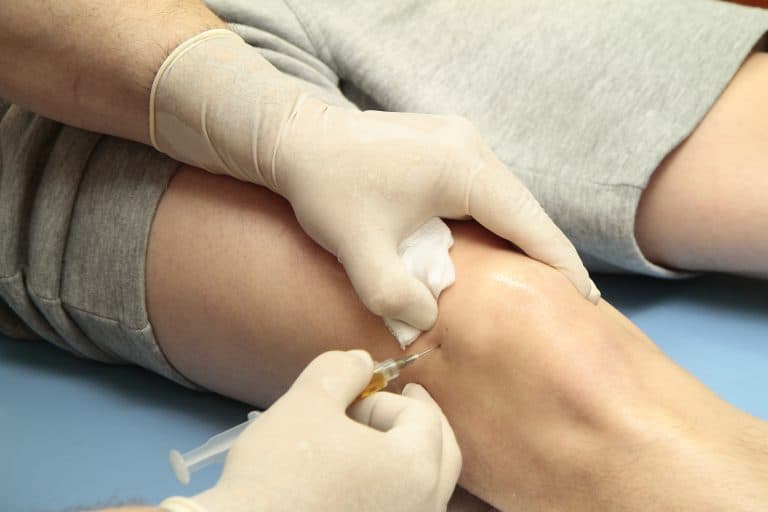
The good news is that medical science is making exciting advances in cartilage repair . One innovative method, called autologous chondrocyte implantation , takes a small sample of a patient’s cartilage cells, grows them in the lab, and implants them back into the damaged area to stimulate real cartilage regrowth. Other promising treatments use growth factors—natural proteins that encourage tissue healing —and newer anti-inflammatory medications that help manage pain and slow down further damage. These therapies aim to restore the cartilage’s original strength and help people get back to their activities more quickly.

How Does Movement Affect Cartilage Health?
Ankle cartilage is not passive—it responds to the mechanical forces we place on it through a process called mechanotransduction. When we walk, run, or jump, the cartilage “feels” these pressures and responds by producing the substances needed to maintain or repair itself. This fascinating connection between movement and tissue health means that staying active (within reason) can help keep our cartilage in better shape, and is a promising area of research for developing smarter, more effective therapies.
Looking Ahead: Technology and Tissue Engineering
Thanks to new technologies, detecting cartilage problems early—and treating them more effectively—is becoming a reality. Advanced imaging tools can now spot even subtle cartilage damage before it causes symptoms, making early intervention possible. Meanwhile, scientists are developing biomaterial scaffolds—special support structures designed to encourage new cartilage growth—that mimic the natural environment of the joint. By combining these innovative tools with a deeper understanding of how cartilage responds to stress, we’re moving closer to solutions that can repair damaged joints and prevent arthritis for good.
Conclusion
Ankle cartilage is a remarkable tissue that blends impressive strength with the ability to endure. While its natural healing powers are limited, ongoing research is revealing how movement and new medical treatments can boost its ability to recover. As we continue to learn more about the interplay between mechanics and biology, the future looks bright for anyone seeking better ways to restore joint health and bounce back from ankle injuries.
References
Herzog, W. (2006). Articular Cartilage. In (pp. ). Wiley. https://doi.org/10.1002/9780471740360.ebs0233
Urist, M. R., & Adams, T. (1968). Cartilage or bone induction by articular cartilage. Journal of Bone and Joint Surgery - British Volume, 50-B(1), 198-215.
Paunipagar, B. K., & Rasalkar, D. D. (2014). Imaging of articular cartilage. Indian Journal of Radiology and Imaging, 24(03), 237-248. https://doi.org/10.4103/0971-3026.137028
Legal & Medical Disclaimer
This article is written by an independent contributor and reflects their own views and experience, not necessarily those of London Cartilage Clinic. It is provided for general information and education only and does not constitute medical advice, diagnosis, or treatment.
Always seek personalised advice from a qualified healthcare professional before making decisions about your health. London Cartilage Clinic accepts no responsibility for errors, omissions, third-party content, or any loss, damage, or injury arising from reliance on this material.
If you believe this article contains inaccurate or infringing content, please contact us at [email protected].
London Cartilage Clinic
Modern treatments, designed for lasting knee outcomes
Every treatment plan is selected to help you return to the quality of life you deserve. Our team combines up-to-date techniques with consultant-led decision making across cartilage repair, regeneration and replacement.
What your journey can look like
Step 01
Consultant-Led Assessment
Symptoms, imaging and goals reviewed in one structured appointment.
Step 02
Personalised Treatment Plan
A clear route chosen from repair, regeneration or replacement options.
Step 03
Precision Delivery
Modern techniques and specialist equipment matched to your diagnosis.
Step 04
Long-Term Knee Health
Follow-up guidance focused on durable function and quality of life.
Will the Arthrosamid work for me
PAAG-8+ Questionnaire
A bright, structured entry point for patients exploring Arthrosamid. The questionnaire helps frame suitability, expectations, and 24-month clinical benefit discussion before a fuller consultant-led review.
Designed for shared decision-making. It does not replace specialist consultation, examination, imaging review, or formal medical advice.