


Targeting Inflammatory Pathways: Unravelling Septic Arthritis as a Hidden Cause of Persistent Knee Pain
Introduction: A Hidden Cause of Ongoing Knee Pain
Knee pain affects people of all ages and backgrounds, often disrupting daily life and mobility. While wear-and-tear arthritis or injuries are common culprits, not everyone knows that an infection within the joint — called septic arthritis — can also cause severe, lingering knee pain. Septic arthritis occurs when bacteria or other germs invade the knee , setting off an intense immune response that, while aiming to kill the infection, can unintentionally damage the joint. Prompt diagnosis and swift treatment are critical; otherwise, lasting harm to the cartilage and bone can occur. In this article, we’ll break down how inflammatory processes triggered by septic arthritis contribute to ongoing knee problems, why early recognition is so important, and what medical advances are doing to help protect and restore knee health.
Spotting the Signs: How Does Septic Arthritis Present?
Septic arthritis usually strikes quickly. Sudden, intense knee pain, swelling, and warmth, often paired with a fever or feeling generally unwell, are hallmark symptoms. It may be hard or impossible to move the knee comfortably. Because these signs can look like other joint conditions — such as osteoarthritis or gout — septic arthritis can be tricky to identify at first glance. However, if pain and swelling come on fast, especially with fever, it’s essential to seek immediate medical attention. Acting early is crucial; the longer an infection is left untreated, the higher the risk for permanent joint damage.
What Happens Inside the Knee? The Inflammatory Cascade Explained
When bacteria enter the knee , the immune system leaps into action, sending white blood cells and inflammatory proteins (called cytokines) into the joint to fight off the invaders. Unfortunately, this battle isn’t without collateral damage. The inflammatory response, while targeting the infection, also releases enzymes that break down cartilage — the smooth, protective tissue at the ends of bones. Important components of cartilage, known as proteoglycans, start to deteriorate, making the joint less resilient and more prone to pain and stiffness. These changes can linger, leaving pain and reduced function long after the infection itself has cleared.
Free non-medical discussion
Not sure what to do next?
Information only · No medical advice or diagnosis.
Diagnosing Septic Arthritis: Why It Can Be Tricky
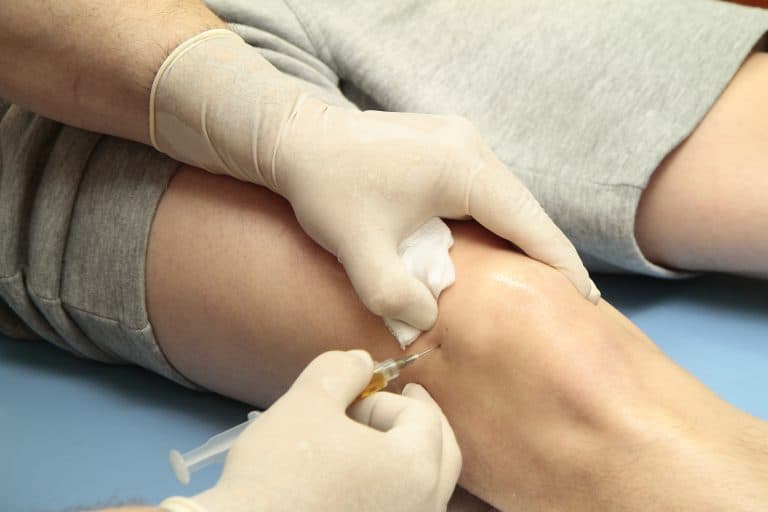
Recognizing septic arthritis early on is vital, but it’s not always straightforward. Doctors often begin with joint aspiration: drawing a sample of fluid from the knee to look for bacteria and signs of inflammation. Blood tests can also provide clues, showing elevated markers of infection and inflammation like white blood cell counts or C-reactive protein. Imaging tools such as ultrasound or MRI may reveal joint swelling and early signs of damage. Yet, because septic arthritis can mimic other types of joint problems , diagnosis is rarely based on just one test. Instead, clinicians use a mix of patient symptoms, lab results, and scans to piece together the full picture and guide fast, effective treatment .

Treating Septic Arthritis: Current Approaches and What’s on the Horizon
Managing septic arthritis starts with antibiotics to target and eliminate the infection , typically administered for several weeks depending on the organism involved. In many cases, a surgical or needle procedure is needed to drain infected fluid and help clear out harmful bacteria and inflammatory debris. These treatments, performed by a coordinated team of specialists — orthopaedic surgeons , infectious disease doctors, and radiologists — are aimed at halting joint damage and stopping pain. Excitingly, researchers are now investigating new treatments that could specifically target the body’s inflammatory response, with hopes of minimizing long-term joint injury and improving patient outcomes.
Conclusion: Why Early Recognition and Targeted Treatment Matter
Septic arthritis may not always be top-of-mind for people suffering from persistent knee pain, but catching this condition quickly is critical for protecting the joint and preserving long-term mobility. By recognizing the signs, navigating the diagnostic challenges, and starting effective treatments without delay, patients and healthcare teams can reduce the risk of lasting damage. Innovative therapies that block the harmful effects of inflammation hold promise for the future, offering hope of better recovery and less pain for those affected. Awareness and early action remain our best tools in the fight against septic arthritis .
References
García‐Arias, M., Balsa, A., & Martín Mola, E. (2011). Septic arthritis. Best Practice & Research Clinical Rheumatology, 25(3), 407-421. https://doi.org/10.1016/j.berh.2011.02.001
Rao, S. P., & Miller, S. T. (1987). Septic Arthritis. Pediatrics, 80(4), 600-601. https://doi.org/10.1542/peds.80.4.600a
Key, T., Dayananda, K. S., Kimberley, C., & Roy, W. S. (2019). Septic arthritis. InnovAiT: Education and inspiration for general practice, 12(10), 569-573. https://doi.org/10.1177/1755738019863145
Frequently Asked Questions
- Septic arthritis is often overlooked but can cause significant knee pain when infection enters the joint. Recognising this condition early is critical for preventing long-term damage. London Cartilage Clinic specialises in identifying complex knee problems, with Prof Lee’s expertise ensuring that hard-to-spot cases receive thorough evaluation and care.
- Key symptoms include sudden knee pain, swelling, and warmth, possibly with fever or general unwellness. These symptoms often resemble other joint conditions, so prompt medical assessment is vital. Prof Lee and the team at London Cartilage Clinic excel at recognising early warning signs and distinguishing septic arthritis from other causes.
- When bacteria invade the knee, the immune system’s inflammatory response tries to eliminate the infection. However, this process releases enzymes and proteins that can degrade cartilage. At London Cartilage Clinic, Prof Lee uses the latest knowledge to help protect and restore knee cartilage affected by inflammatory processes.
- Septic arthritis symptoms can mimic other joint conditions, making diagnosis complex. Clinicians must use joint fluid analysis, blood tests, and advanced imaging for accuracy. London Cartilage Clinic, under Prof Lee’s leadership, is skilled in utilising comprehensive diagnostic strategies to ensure patients receive accurate diagnoses and effective treatment plans.
- Treatment typically includes antibiotics and procedures to drain infected fluid, supported by a multidisciplinary team. Prof Lee’s extensive experience ensures care is coordinated and based on the latest advances. The Clinic also stays abreast of emerging therapies, aiming to minimise long-term joint damage and support the best possible recovery for each patient.
Legal & Medical Disclaimer
This article is written by an independent contributor and reflects their own views and experience, not necessarily those of London Cartilage Clinic. It is provided for general information and education only and does not constitute medical advice, diagnosis, or treatment.
Always seek personalised advice from a qualified healthcare professional before making decisions about your health. London Cartilage Clinic accepts no responsibility for errors, omissions, third-party content, or any loss, damage, or injury arising from reliance on this material.
If you believe this article contains inaccurate or infringing content, please contact us at [email protected].
London Cartilage Clinic
Modern treatments, designed for lasting knee outcomes
Every treatment plan is selected to help you return to the quality of life you deserve. Our team combines up-to-date techniques with consultant-led decision making across cartilage repair, regeneration and replacement.
What your journey can look like
Step 01
Consultant-Led Assessment
Symptoms, imaging and goals reviewed in one structured appointment.
Step 02
Personalised Treatment Plan
A clear route chosen from repair, regeneration or replacement options.
Step 03
Precision Delivery
Modern techniques and specialist equipment matched to your diagnosis.
Step 04
Long-Term Knee Health
Follow-up guidance focused on durable function and quality of life.
Will the Arthrosamid work for me
PAAG-8+ Questionnaire
A bright, structured entry point for patients exploring Arthrosamid. The questionnaire helps frame suitability, expectations, and 24-month clinical benefit discussion before a fuller consultant-led review.
Designed for shared decision-making. It does not replace specialist consultation, examination, imaging review, or formal medical advice.