


Tailored Rehabilitation Protocols for Meniscus Tear Recovery: Reducing Knee Pain with Targeted Interventions
What Is a Meniscus Tear and Why Does It Matter?
A meniscus tear is a common knee injury that can cause pain, swelling, and limited movement. The meniscus is a C-shaped cartilage cushion between the thighbone (femur) and shinbone (tibia), acting as a built-in shock absorber and stabilizer for your knee.
Tears can occur on either the inner (medial) or outer (lateral) side of the knee, and the location and size of the tear play a big role in how much pain you’ll feel and how quickly you’ll recover. Factors like age, activity level, and overall knee health also influence healing.
Getting the right care is key—it helps to relieve pain, restore function, and prevent further injury . Not all meniscus tear s require aggressive treatment: some may heal well with conservative care, especially if they are smaller or located in areas with good blood supply. Accurate diagnosis by an experienced clinician is often just as reliable, or even better, than relying solely on MRI scans.
Treatment Options: When Is Surgery Needed and When Is It Not?
Treatment for a meniscus tear usually falls into two categories: non-surgical care and surgery.
Non-Surgical Care:
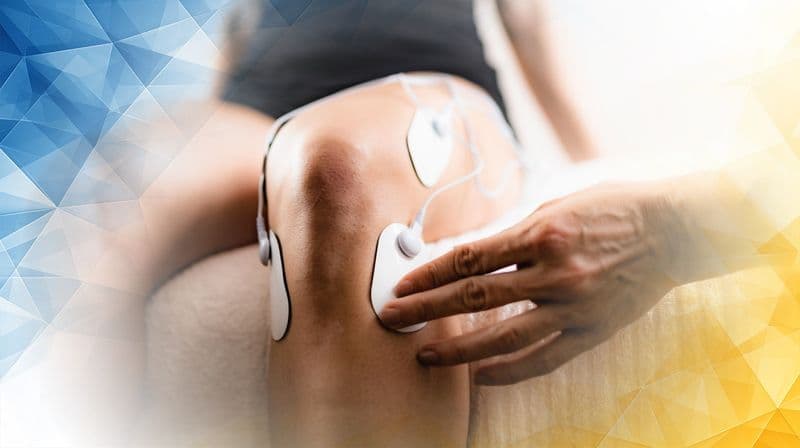
Many meniscus tear s—especially those that are small or located on the outer edge—can heal without surgery. Non-surgical treatment involves rest, physical therapy , and sometimes small changes to your daily routine. A physical therapist will help you strengthen the muscles around your knee and improve flexibility, which supports healing. If you’re unsure about which movements are safe, a physical therapist can create a personalized plan to protect your knee as you recover.
While MRI scans can be helpful in complex cases, clinical expertise is often the best tool for diagnosis and guiding non-surgical care.
Surgery:
Surgery is usually reserved for larger, complex tears or those that don’t improve with conservative measures. Surgical options may include repairing the torn meniscus or removing the damaged portion. Each option has its own recovery timeline and risks, such as the possibility of developing arthritis later. Studies suggest that medial meniscus tears and tears greater than 10 mm, especially those present during ACL reconstruction , may require more active treatment.
Why Personalized Rehabilitation Makes a Difference
Recovery is not one-size- fits -all. The best rehabilitation plans are tailored to each person based on tear location, severity, and individual needs. For example, a young athlete with a lateral meniscus tear may need a different approach than an older adult with a medial tear.
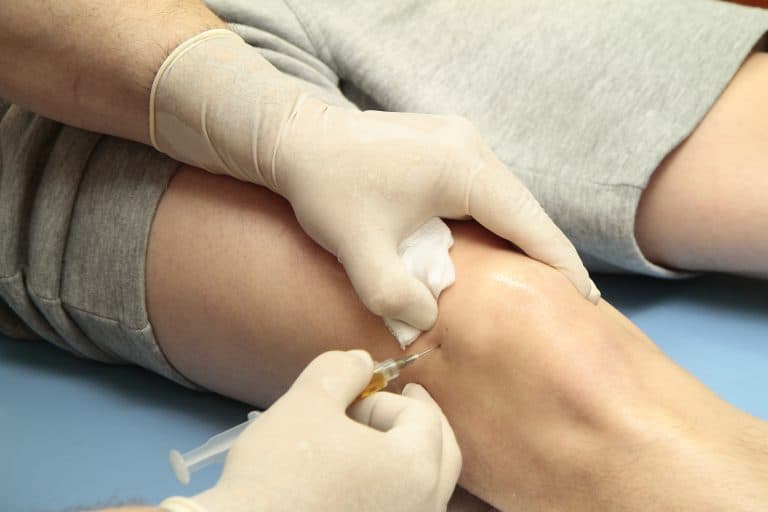
Emerging therapies like stem cell injections are being studied for their potential to speed healing and promote cartilage repair , but most people benefit most from a rehab plan designed just for them. By combining advanced treatments with targeted exercises, patients often recover faster and with less pain. Close monitoring and regular adjustments ensure the program stays effective, especially for tears that are harder to heal.
Free non-medical discussion
Not sure what to do next?
Information only · No medical advice or diagnosis.
How Rehabilitation Helps You Heal
Rehabilitation is more than just exercising—it's about doing the right exercises, in the right way, at the right time. A physical therapist can help you strengthen supporting muscles, increase stability, and gradually restore your range of motion in a safe manner.
Just as important, you’ll learn which movements to avoid so you don’t make things worse. This guidance is key to healing and staying healthy long-term.
Some people also find relief from topical creams that can help manage knee pain , offering comfort during rehab even though they don’t heal the tear itself.

The Importance of a Customized Recovery Plan
Every meniscus injury is unique, so recovery plans need to be personalized. Your age, activity level, tear location, and whether you’ve had surgery all influence your roadmap to recovery.
Studies show that people following custom rehab plans experience better, faster results compared to generic programs. Medial meniscus tears —especially those larger than 10 mm—may require extra attention to avoid complications and re-injury .
Surgery should be reserved when it’s clearly beneficial and not just for the sake of diagnosis . Your care team should focus on treatments that have a direct and positive impact on your recovery.
Everyday Tips to Support Your Recovery
Healing doesn’t stop when you leave the clinic. Stick to a gradual exercise routine that increases your knee ’s activity level without overdoing it. Avoid sudden or intense movements and deep knee bends that put extra pressure on the meniscus.
Small changes—like choosing low-impact activities and paying attention to your body’s pain signals—can help keep your recovery on track. Regular check-ins with your doctor or therapist make it easier to monitor your progress and adjust your plan as you heal.
In Summary: A Smarter Path to Recovery
Recovering from a meniscus tear doesn ’t have to mean a one-size-fits-all approach. With a personalized rehabilitation plan , targeted exercises, and smart lifestyle adjustments, you can minimize pain and regain knee strength and function more quickly.
Work closely with your healthcare team to design a plan that fits your unique needs. With the right guidance and dedication, you can confidently get back to daily life and enjoy lasting knee health.
References
Chambers, H. G., & Chambers, R. (2019). The natural history of meniscus tears. Journal of Pediatric Orthopaedics, 39(Supplement 1), S53-S55. https://doi.org/10.1097/bpo.0000000000001386
Duchman, K. R., Westermann, R. W., Spindler, K. P., Amendola, A., Wolf, B. R., Parker, R. D., Andrish, J. T., Withrow, L. J., Reinke, E. K., Kaeding, C. C., Wright, R. W., Marx, R. G., McCarty, E. C., Wolcott, M. L., & Dunn, W. R. (2015). The Fate Of Meniscus Tears Left in situ At The Time Of Anterior Cruciate Ligament Reconstruction. Orthopaedic Journal of Sports Medicine, 3(7_suppl2). https://doi.org/10.1177/2325967115s00062
Ryzewicz, M., Peterson, B., Siparsky, P. N., & Bartz, R. L. (2007). The diagnosis of meniscus tears. Clinical Orthopaedics and Related Research, 455, 123-133. https://doi.org/10.1097/blo.0b013e31802fb9f3
Legal & Medical Disclaimer
This article is written by an independent contributor and reflects their own views and experience, not necessarily those of London Cartilage Clinic. It is provided for general information and education only and does not constitute medical advice, diagnosis, or treatment.
Always seek personalised advice from a qualified healthcare professional before making decisions about your health. London Cartilage Clinic accepts no responsibility for errors, omissions, third-party content, or any loss, damage, or injury arising from reliance on this material.
If you believe this article contains inaccurate or infringing content, please contact us at [email protected].
London Cartilage Clinic
Modern treatments, designed for lasting knee outcomes
Every treatment plan is selected to help you return to the quality of life you deserve. Our team combines up-to-date techniques with consultant-led decision making across cartilage repair, regeneration and replacement.
What your journey can look like
Step 01
Consultant-Led Assessment
Symptoms, imaging and goals reviewed in one structured appointment.
Step 02
Personalised Treatment Plan
A clear route chosen from repair, regeneration or replacement options.
Step 03
Precision Delivery
Modern techniques and specialist equipment matched to your diagnosis.
Step 04
Long-Term Knee Health
Follow-up guidance focused on durable function and quality of life.
Will the Arthrosamid work for me
PAAG-8+ Questionnaire
A bright, structured entry point for patients exploring Arthrosamid. The questionnaire helps frame suitability, expectations, and 24-month clinical benefit discussion before a fuller consultant-led review.
Designed for shared decision-making. It does not replace specialist consultation, examination, imaging review, or formal medical advice.