


Stronger Together: Combining PAAG Injections, Physiotherapy, and Weight Management for Better Knee Osteoarthritis Outcomes
Understanding Knee Osteoarthritis and Its Impact
Knee osteoarthritis (OA) is a common condition that impacts millions of people in the UK. It occurs when the protective cartilage in the knee wears down over time, leading to pain, stiffness, and reduced mobility. These symptoms can make simple activities—like walking, climbing stairs, or even just standing—more difficult, and can seriously affect day-to-day life.
Because knee OA is influenced by several factors—such as cartilage breakdown, muscle weakness, and increased strain—there's rarely a one-size-fits-all solution. Instead, healthcare professionals are moving towards combined treatment approaches, blending newer therapies with established techniques to achieve the best possible results.
What Are PAAG Injections and How Do They Help?
One of the latest treatments in the spotlight is the polyacrylamide hydrogel (PAAG) injection. PAAG is a smooth, gel-like material injected directly into the knee . Imagine it as a soft cushion that fills in worn areas, absorbs shocks, and makes joint movement smoother by improving internal lubrication.
Research has shown that PAAG injections can help reduce pain and improve knee function for many people with OA. These improvements are measured using trusted tools like the Visual Analogue Scale (VAS) for pain and the Oxford Knee Score (OKS) for joint function. Many patients report more comfortable movement and find daily tasks easier after treatment.
However, not everyone responds to PAAG injections in the same way. People who tend to see the greatest benefit are often older, have milder forms of OA, don’t have diabetes , and have OA in both knees. Knowing these factors helps doctors tailor treatment plans and set realistic expectations for each individual.
Why Physiotherapy Is Essential
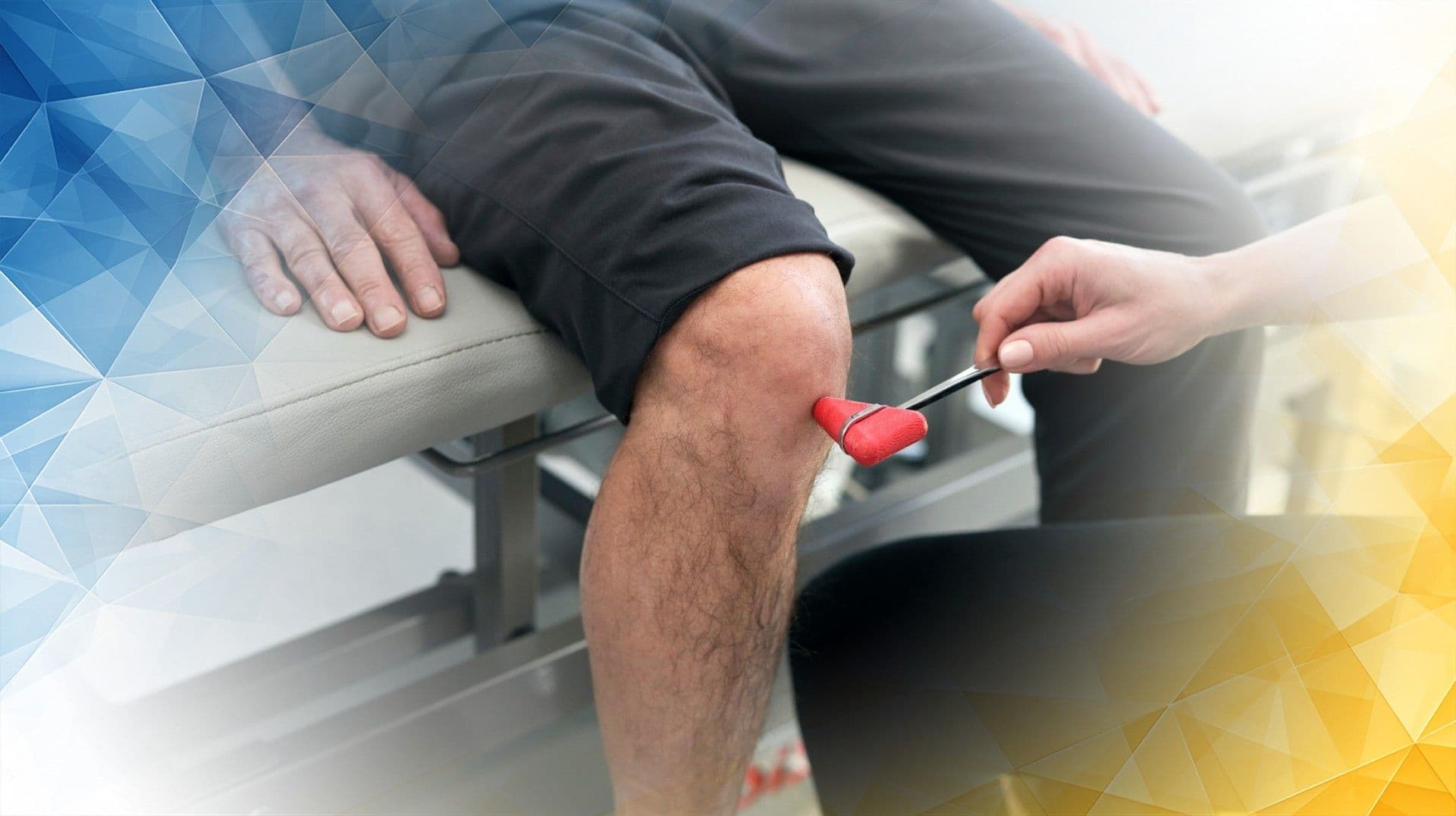
While PAAG injections target problems within the knee joint, physiotherapy focuses on the bigger picture—strengthening the muscles around the knee and improving overall stability. A personalised physiotherapy programme incorporates exercises to build muscle strength (especially in the quadriceps and hamstrings), as well as improve balance. Stronger muscles provide better joint support and reduce everyday strain on the knees .
Physiotherapy routines might include gentle strengthening, stretching, and flexibility exercises, all designed to help you move more easily and confidently. When added to the effects of PAAG injections , physiotherapy can help maintain those benefits, encouraging healthier and safer movement patterns. The result is longer-lasting pain relief and improved function.
The Important Role of Weight Management
Managing body weight is another key part of treating knee OA . Carrying extra weight puts additional pressure on already stressed knee joints , which can worsen cartilage damage and pain. Luckily, even modest weight loss can lower this pressure and noticeably ease symptoms.
Effective weight management goes beyond just dieting—it’s about building sustainable habits, with balanced nutrition and physical activity suited to your abilities. By combining support for healthy weight with PAAG injections and physiotherapy, patients can see better long-term results—not only for their knees , but for their overall health and wellbeing, too.
Bringing It All Together
In summary, PAAG injections offer a promising new option to help control pain and restore knee function for people with osteoarthritis . But their value is greatest when they're used alongside physiotherapy and weight management strategies. Together, these treatments create a comprehensive plan that addresses the joint itself, strengthens supportive muscles, and reduces ongoing strain.
This integrated, patient-centred approach is shaping the future of knee OA care . By combining cutting-edge treatments with lifestyle support, healthcare professionals can help more people lead active, comfortable lives. Ongoing research and teamwork between medical professionals will continue to refine these strategies, ensuring that treatment options get even better over time.
References
Gao, H. C. K., Akhtar, M., Creedon, C., Nar, Ö. O., Verma, T., & Lee, P. Y. F. (2025). Polyacrylamide hydrogel injections in knee osteoarthritis: A PROMs-based 24 month cohort study. Journal of Clinical Orthopaedics and Trauma. https://doi.org/10.1016/j.jcot.2025.103136
Legal & Medical Disclaimer
This article is written by an independent contributor and reflects their own views and experience, not necessarily those of London Cartilage Clinic. It is provided for general information and education only and does not constitute medical advice, diagnosis, or treatment.
Always seek personalised advice from a qualified healthcare professional before making decisions about your health. London Cartilage Clinic accepts no responsibility for errors, omissions, third-party content, or any loss, damage, or injury arising from reliance on this material.
If you believe this article contains inaccurate or infringing content, please contact us at [email protected].
London Cartilage Clinic
Modern treatments, designed for lasting knee outcomes
Every treatment plan is selected to help you return to the quality of life you deserve. Our team combines up-to-date techniques with consultant-led decision making across cartilage repair, regeneration and replacement.
What your journey can look like
Step 01
Consultant-Led Assessment
Symptoms, imaging and goals reviewed in one structured appointment.
Step 02
Personalised Treatment Plan
A clear route chosen from repair, regeneration or replacement options.
Step 03
Precision Delivery
Modern techniques and specialist equipment matched to your diagnosis.
Step 04
Long-Term Knee Health
Follow-up guidance focused on durable function and quality of life.
Will the Arthrosamid work for me
PAAG-8+ Questionnaire
A bright, structured entry point for patients exploring Arthrosamid. The questionnaire helps frame suitability, expectations, and 24-month clinical benefit discussion before a fuller consultant-led review.
Designed for shared decision-making. It does not replace specialist consultation, examination, imaging review, or formal medical advice.