


Revolutionizing Knee Pain Recovery: Cutting-Edge Treatments in America’s Specialized Centers
Introduction
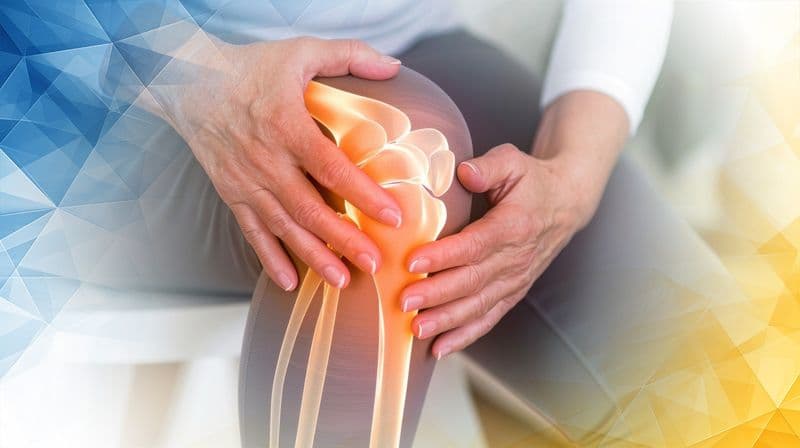
Knee pain affects millions of people across the United States, turning simple daily tasks—like walking or climbing stairs—into painful challenges. While traditional treatments such as medication, physical therapy , and surgery have helped many, some people continue to struggle with ongoing discomfort and limited mobility.
In response, specialized knee pain centers are changing the game by introducing advanced treatments grounded in the latest medical research and technology. These centers blend proven science with personalized care, offering new hope for faster, more lasting recovery. In this article, we’ll dive into these innovative approaches and explore how they’re transforming knee pain treatment —helping people return to the activities they love.
Why Traditional Treatments Don’t Always Work
Treating knee pain isn’t always straightforward. Standard methods typically focus on managing symptoms, using medications to mask pain, physical therapy to build strength, or surgery when other options fail. Unfortunately, these treatments can provide only short-term relief and don’t always address the root of the problem, leading to persistent pain or slow recovery.
Thanks to advancements in medical research, doctors better understand the underlying causes of knee pain and how the body heals. This knowledge is driving a shift toward treatments aimed at restoring knee function and promoting long-term healing, not just relieving symptoms. The modern approach emphasizes long-lasting recovery backed by rigorous clinical research.
Specialized knee pain centers are at the forefront of adopting these research-driven, personalized treatment strategies—offering new solutions when traditional therapies fall short.
How Specialized Centers Are Innovating Knee Pain Treatment
Specialized knee pain centers use a combination of cutting-edge techniques to deliver better outcomes for patients.
Better Diagnosis Through Advanced Imaging
Accurate diagnosis is the foundation for effective treatment. At specialized centers, doctors use advanced imaging technology, such as high-resolution MRI scans, to get a clear, detailed view of bones, cartilage, and soft tissues in the knee. These images, along with assessments of how the knee moves, allow for precise identification of the problem. That means treatment plans are precisely tailored to each patient—no more one-size-fits-all guessing.
Minimally Invasive Surgery: Smaller Incisions, Faster Healing
For patients who need surgery, many centers now offer minimally invasive procedures like arthroscopy. This technique uses small incisions and specialized cameras and instruments to repair damage inside the knee, often with the assistance of robotic technology for added precision. Patients benefit from less pain, smaller scars , and faster recoveries compared to traditional open surgery.
Regenerative Medicine: Harnessing the Body’s Healing Power
Regenerative medicine is one of the most exciting frontiers in knee pain care . Treatments like platelet-rich plasma (PRP) and stem cell injections tap into the body’s natural healing abilities, with the goal of repairing damaged cartilage and reducing inflammation. By “jump-starting” tissue repair, these therapies may delay—or even eliminate—the need for joint replacement surgery . Although more large-scale clinical evidence is needed, these innovative treatments are giving new hope to many patients.
Personalized Rehabilitation: Recovery Plans Built for You
Recovery doesn’t end with treatment—it continues with personalized rehabilitation. Specialized knee centers bring together orthopedic doctors, physical therapists, and pain specialists to design rehab programs tailored to each patient’s needs. These plans aim to reduce pain, strengthen muscles around the knee , and improve flexibility and balance. By focusing on individual goals and abilities, patients can recover faster and reduce the risk of future injury .
Real-Life Success Stories
These advanced therapies are changing lives. Take the story of a 52-year-old athlete with chronic knee pain from worn cartilage. After conventional treatments failed, she visited a specialty center, where detailed imaging pinpointed the exact problem. With targeted stem cell injections and a customized rehab plan, her pain improved dramatically within months, and she returned to the sports she loves.
Or consider a 65-year-old patient with severe arthritis . Minimally invasive surgery with robotic assistance made his operation more precise and less traumatic. Fast-track physical therapy afterward meant a shorter hospital stay and quicker return to normal activity. These stories illustrate how innovative, research-backed care can lead to stronger recoveries and happier patients.
Another study in pain management showed that advanced approaches achieved significant results, with the majority of patients experiencing at least 50% pain relief. Successes like these are inspiring new protocols and bringing hope to those who have struggled for years.
Looking Ahead: The Future of Knee Pain Care
Specialized knee pain centers are shaping the future of treatment by combining scientific research with state-of-the-art technology. Through smarter diagnoses, less invasive procedures, regenerative medicine, and personalized rehabilitation, they’re attacking the root causes of pain and giving patients a real shot at long-lasting joint health .
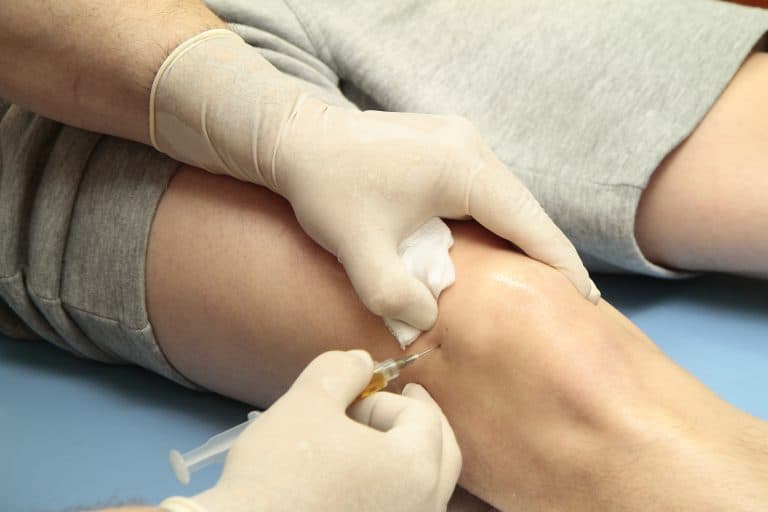
As clinical research continues, treatments like corticosteroid injections and targeted nerve therapies are also emerging as effective options for those who don’t respond to traditional care. The field is evolving quickly, and these innovations are setting new standards for what’s possible.
Looking forward, the menu of advanced options will only grow. For anyone struggling with knee pain , exploring the resources and expertise available at a specialized center could be the first step toward an active, pain-free life.
References
Vanneste, T., Belba, A., Oei, G. T. M. L., Emans, P. J., Fonkoué, L., Kallewaard, J. W., ... Van Zundert, J. (2024). Chronic knee pain. Pain Practice, 25(1). https://doi.org/10.1111/papr.13408
Tate, J., Stauss, T., Li, S., Rotte, A., & Subbaroyan, J. (2020). A Prospective, Multi‐Center, Clinical Trial of a 10‐kHz Spinal Cord Stimulation System in the Treatment of Chronic Pelvic Pain. Pain Practice, 21(1), 45-53. https://doi.org/10.1111/papr.12932
Tennant, F. S., & Hermann, L. (2008). (231) Use of Transmucosal Fentanyl in Non-Malignant, Chronic Pain. Pain Medicine, 2(3), 252-253. https://doi.org/10.1111/j.1526-4637.2001.pme01039-30.x
Legal & Medical Disclaimer
This article is written by an independent contributor and reflects their own views and experience, not necessarily those of London Cartilage Clinic. It is provided for general information and education only and does not constitute medical advice, diagnosis, or treatment.
Always seek personalised advice from a qualified healthcare professional before making decisions about your health. London Cartilage Clinic accepts no responsibility for errors, omissions, third-party content, or any loss, damage, or injury arising from reliance on this material.
If you believe this article contains inaccurate or infringing content, please contact us at [email protected].
London Cartilage Clinic
Modern treatments, designed for lasting knee outcomes
Every treatment plan is selected to help you return to the quality of life you deserve. Our team combines up-to-date techniques with consultant-led decision making across cartilage repair, regeneration and replacement.
What your journey can look like
Step 01
Consultant-Led Assessment
Symptoms, imaging and goals reviewed in one structured appointment.
Step 02
Personalised Treatment Plan
A clear route chosen from repair, regeneration or replacement options.
Step 03
Precision Delivery
Modern techniques and specialist equipment matched to your diagnosis.
Step 04
Long-Term Knee Health
Follow-up guidance focused on durable function and quality of life.
Will the Arthrosamid work for me
PAAG-8+ Questionnaire
A bright, structured entry point for patients exploring Arthrosamid. The questionnaire helps frame suitability, expectations, and 24-month clinical benefit discussion before a fuller consultant-led review.
Designed for shared decision-making. It does not replace specialist consultation, examination, imaging review, or formal medical advice.