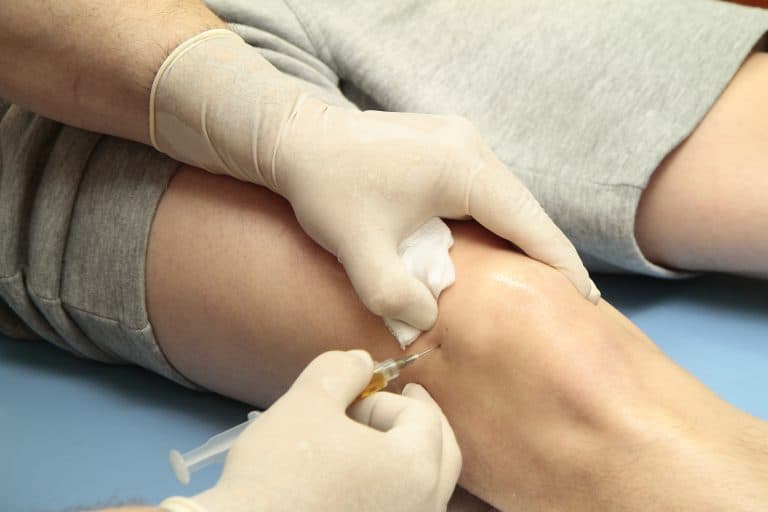



Revolutionizing Knee Cartilage Repair: How Arthroscopic Surgery is Changing the Game
Introduction
Knee cartilage damage is an issue that affects millions of people worldwide, often leading to pain, stiffness, and limited mobility. Thankfully, advances in arthroscopic surgery —a minimally invasive procedure —are transforming the way these injuries are treated. This state-of-the-art approach offers quicker recovery times and better outcomes compared to traditional surgery. In this article, we’ll explore how arthroscopic surgery is raising the standard for knee cartilage repair and helping people return to their daily lives faster.
Why Knee Cartilage Matters
Knee cartilage is a smooth, flexible tissue that covers the ends of bones inside the knee joint . It acts as a cushion, allowing the joint to move smoothly—think of it as the padding in a door hinge. When cartilage gets damaged due to injury, aging, or arthritis, it often leads to pain and reduced mobility, making even simple activities feel challenging. Effective cartilage repair is critical for maintaining knee function and comfort.
What is Arthroscopic Surgery?
Arthroscopic surgery is a modern, minimally invasive procedure used to treat joint problems. Instead of making a large incision, surgeons create tiny cuts around the knee to insert a slender camera (arthroscope) and specialized surgical tools. This setup allows the doctor to view the inside of the joint on a video screen and treat the problem with high precision, all while minimizing trauma to surrounding tissues. Thanks to improvements in imaging and surgical instruments, arthroscopy leads to less pain, smaller scars, and a much faster recovery than open surgery.
How Arthroscopic Knee Cartilage Repair Works
Here’s how a typical arthroscopic knee cartilage repair unfolds:
- The surgeon makes a few small incisions around the knee for the camera and tools.
- A high-definition camera provides a clear view of the damaged cartilage.
- The surgeon cleans up damaged tissue and may perform techniques to stimulate cartilage regrowth, such as microfracture (creating small holes to encourage healing), implanting cartilage cells, or grafting healthy cartilage.
- Specialized instruments ensure precision while minimizing disruption to healthy tissue.
This systematic, targeted approach means patients often experience smoother healing and a quicker return to normal activities.
Free non-medical discussion
Not sure what to do next?
Information only · No medical advice or diagnosis.
Advances in Tools and Imaging
Recent technological breakthroughs have made arthroscopic surgery even more reliable and effective. High-resolution cameras and advanced imaging—sometimes even with 3D views—give surgeons a clearer perspective inside the knee , making it easier to identify and treat injuries. New surgical tools, like radiofrequency probes that precisely smooth damaged tissue, and nano-sized devices for delicate repairs, further improve outcomes. These improvements often translate to shorter surgery times, less post-operative pain, and speedier recoveries.

Better Results Compared to Traditional Surgery
Studies consistently show that patients who undergo arthroscopic cartilage repair tend to recover more quickly, experience less pain, and return to their normal routines sooner than those who have open surgery. The risk of complications, infections , or unsightly scars is also greatly reduced. These advantages contribute to better knee function and higher patient satisfaction—making arthroscopy the go-to option for many types of cartilage injuries.
Looking Ahead: The Future of Knee Cartilage Repair
The future of arthroscopic knee surgery is bright and exciting. Researchers are developing new ways to enhance cartilage healing , such as using stem cells and biological therapies that boost the body’s natural repair mechanisms. Technological advancements, like even better imaging and robotic-assisted surgery, promise to make these procedures more precise than ever. Ongoing clinical trials are paving the way for treatments that could offer even better results for patients with cartilage damage.
Conclusion
Arthroscopic surgery has truly transformed the treatment of knee cartilage injuries . By combining minimally invasive techniques with advanced technology, it delivers more accurate repairs, shorter recovery periods, and outstanding outcomes. As innovations continue, arthroscopy will remain an essential tool for helping people move comfortably and live active, pain-free lives.
References
Lynch, T. S., Terry, M. A., Bedi, A., & Kelly, B. T. (2013). Hip Arthroscopic Surgery. The American Journal of Sports Medicine, 41(5), 1174-1189. https://doi.org/10.1177/0363546513476281
Shimozono, Y., Seow, D., Kennedy, J. G., & Stone, J. W. (2018). Ankle Arthroscopic Surgery. Sports Medicine and Arthroscopy Review, 26(4), 190-195. https://doi.org/10.1097/jsa.0000000000000222
Bedi, A., Kelly, B. T., & Khanduja, V. (2013). Arthroscopic hip preservation surgery. The Bone & Joint Journal, 95-B(1), 10-19.
Legal & Medical Disclaimer
This article is written by an independent contributor and reflects their own views and experience, not necessarily those of London Cartilage Clinic. It is provided for general information and education only and does not constitute medical advice, diagnosis, or treatment.
Always seek personalised advice from a qualified healthcare professional before making decisions about your health. London Cartilage Clinic accepts no responsibility for errors, omissions, third-party content, or any loss, damage, or injury arising from reliance on this material.
If you believe this article contains inaccurate or infringing content, please contact us at [email protected].
London Cartilage Clinic
Modern treatments, designed for lasting knee outcomes
Every treatment plan is selected to help you return to the quality of life you deserve. Our team combines up-to-date techniques with consultant-led decision making across cartilage repair, regeneration and replacement.
What your journey can look like
Step 01
Consultant-Led Assessment
Symptoms, imaging and goals reviewed in one structured appointment.
Step 02
Personalised Treatment Plan
A clear route chosen from repair, regeneration or replacement options.
Step 03
Precision Delivery
Modern techniques and specialist equipment matched to your diagnosis.
Step 04
Long-Term Knee Health
Follow-up guidance focused on durable function and quality of life.
Will the Arthrosamid work for me
PAAG-8+ Questionnaire
A bright, structured entry point for patients exploring Arthrosamid. The questionnaire helps frame suitability, expectations, and 24-month clinical benefit discussion before a fuller consultant-led review.
Designed for shared decision-making. It does not replace specialist consultation, examination, imaging review, or formal medical advice.