


Revolutionizing Ankle Cartilage Recovery: Early Diagnostic Biomarkers and Minimally Invasive Treatments
Introduction
Ankle cartilage injuries are more common than you might think, and they can have a big impact on daily life—causing persistent pain, limiting movement , and making it hard to stay active. One of the biggest challenges in treating these injuries is that by the time symptoms show up, the damage is often already significant. Thankfully, new medical breakthroughs are changing this. Advances in early detection and less invasive treatments are offering hope for quicker, more effective recovery. In this article, we’ll explore how these new approaches are improving care for people with ankle cartilage injuries .
Understanding Ankle Cartilage and How It Deteriorates
To appreciate these medical advances, it’s helpful to first understand what ankle cartilage does . Cartilage is a smooth, rubbery tissue that covers the ends of bones within your ankle joint, working like a cushion to help you move easily and absorb shock from activities such as walking or running.
Healthy cartilage relies on specialized cells called chondrocytes, supported by a strong network of proteins and sugars. Over time, though, repeated stress, injuries, or just aging can weaken this network. As cartilage starts to break down, the joint loses its smooth function, becomes painful, and may eventually develop osteoarthritis , leading to stiffness and swelling.
Because cartilage damage happens gradually—through a cascade of small changes rather than one big injury—catching the problem early makes a big difference. The sooner damage is detected, the better the chances of preventing further joint problems down the line.
Breakthroughs in Early Detection: The Promise of Biomarkers
A major step forward in ankle cartilage care comes from the discovery of early diagnostic biomarkers. Biomarkers are measurable indicators—such as specific molecules in blood or joint fluid—that reveal early cartilage damage , sometimes even before you feel pain.
Doctors can now test for these biomarkers and use advanced imaging technology to spot tiny changes in cartilage health . For instance, special scans can pick up on increased levels of certain enzymes or inflammation, highlighting trouble spots before they show up on a traditional X-ray or MRI. These early warning signs let doctors not only catch issues sooner but also tailor treatments to fit each patient’s needs.
With these new tools, healthcare professionals can closely monitor how damage progresses and how well treatments are working, resulting in more personalized and effective care. Crucially, these advances make it possible to intervene before symptoms even begin, improving outcomes and minimizing long-term joint problems .
Free non-medical discussion
Not sure what to do next?
Information only · No medical advice or diagnosis.
Minimally Invasive Treatments: Effective Repairs with Faster Recovery
Alongside better ways to find cartilage damage , modern medicine also offers less invasive treatment options that help patients heal faster and with less discomfort than traditional surgery. Classic surgical procedures often require large incisions, longer recovery times, and higher risks. By contrast, minimally invasive techniques work through tiny incisions and cause much less disruption.
Common minimally invasive treatments for ankle cartilage damage include :
- Arthroscopic debridement : Removing damaged tissue using small instruments through a camera-guided approach, which requires only tiny cuts.
- Microfracture surgery : Making small holes in the bone under the damaged cartilage to stimulate the body’s own stem cells, encouraging new cartilage to grow.
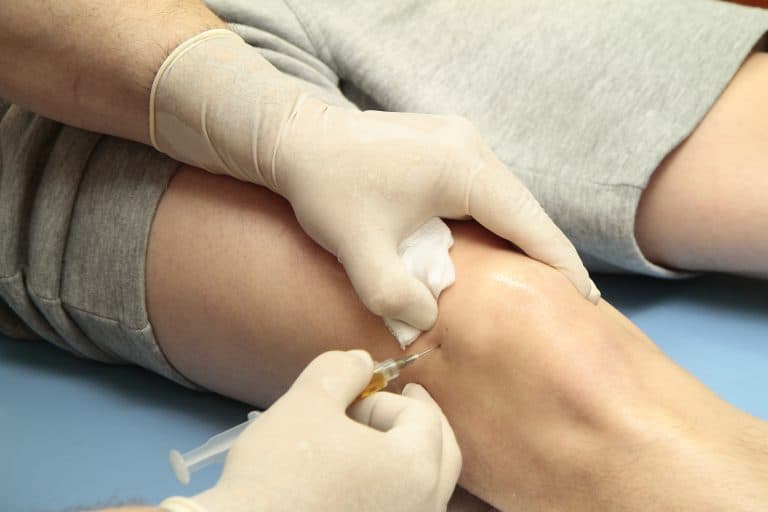
- Injectable biologic therapies: Using natural products like platelet-rich plasma or stem cells delivered by injection to promote healing and reduce pain.
Early detection through biomarkers and imaging helps doctors select the right minimally invasive treatment for each person, increasing the chances of a successful outcome. For example, recent clinical studies have shown that patients who receive microfracture surgery often experience less pain, improved joint function, and a better quality of life compared to those who undergo traditional procedures. Starting treatment before cartilage damage becomes irreversible can make all the difference in preserving long-term joint health.

Challenges and the Road Ahead
While these new diagnostic and treatment options are exciting, there are still hurdles to clear. Some biomarkers and advanced imaging techniques are not yet widely available, and biologic therapies can be costly or hard to access. More extensive research is needed to confirm the long-term safety and effectiveness of these innovative approaches.
Healthcare teams must also work together to bring these advancements into everyday care, making them accessible to more people. Fortunately, ongoing research and collaboration are driving progress, with more hospitals and clinics adopting these advances each year.
Conclusion
The combination of early detection tools and minimally invasive treatments is changing the landscape for ankle cartilage injuries . By getting ahead of problems and offering gentler, more effective therapies, patients can recover faster and maintain a better quality of life.
As research evolves, these breakthroughs are shaping a new standard of care—one that focuses on prevention, personalized treatment, and long-term joint health . With continued innovation and teamwork in the medical community, the future looks bright for anyone facing ankle cartilage challenges , allowing for healthier, more active lives.
References
Dahmen, J., Karlsson, J., Stufkens, S. A. S., & Kerkhoffs, G. M. M. J. (2021). The ankle cartilage cascade: incremental cartilage damage in the ankle joint. Knee Surgery Sports Traumatology Arthroscopy, 29(11), 3503-3507. https://doi.org/10.1007/s00167-021-06755-w
Moon, J.-S., Shim, J. C., Suh, J.-S., & Lee, W.-C. (2010). Radiographic predictability of cartilage damage in medial ankle osteoarthritis. Clinical Orthopaedics and Related Research, 468(8), 2188–2197. https://doi.org/10.1007/s11999-010-1352-2
Li, Z. (2024). The effect of arthroscopic microfracture in the treatment of ankle osteoarthritis combined with cartilage damage. Bone and Arthrosurgery Science, 2(1), 60-65. https://doi.org/10.26689/bas.v2i1.6332
Legal & Medical Disclaimer
This article is written by an independent contributor and reflects their own views and experience, not necessarily those of London Cartilage Clinic. It is provided for general information and education only and does not constitute medical advice, diagnosis, or treatment.
Always seek personalised advice from a qualified healthcare professional before making decisions about your health. London Cartilage Clinic accepts no responsibility for errors, omissions, third-party content, or any loss, damage, or injury arising from reliance on this material.
If you believe this article contains inaccurate or infringing content, please contact us at [email protected].
London Cartilage Clinic
Modern treatments, designed for lasting knee outcomes
Every treatment plan is selected to help you return to the quality of life you deserve. Our team combines up-to-date techniques with consultant-led decision making across cartilage repair, regeneration and replacement.
What your journey can look like
Step 01
Consultant-Led Assessment
Symptoms, imaging and goals reviewed in one structured appointment.
Step 02
Personalised Treatment Plan
A clear route chosen from repair, regeneration or replacement options.
Step 03
Precision Delivery
Modern techniques and specialist equipment matched to your diagnosis.
Step 04
Long-Term Knee Health
Follow-up guidance focused on durable function and quality of life.
Will the Arthrosamid work for me
PAAG-8+ Questionnaire
A bright, structured entry point for patients exploring Arthrosamid. The questionnaire helps frame suitability, expectations, and 24-month clinical benefit discussion before a fuller consultant-led review.
Designed for shared decision-making. It does not replace specialist consultation, examination, imaging review, or formal medical advice.