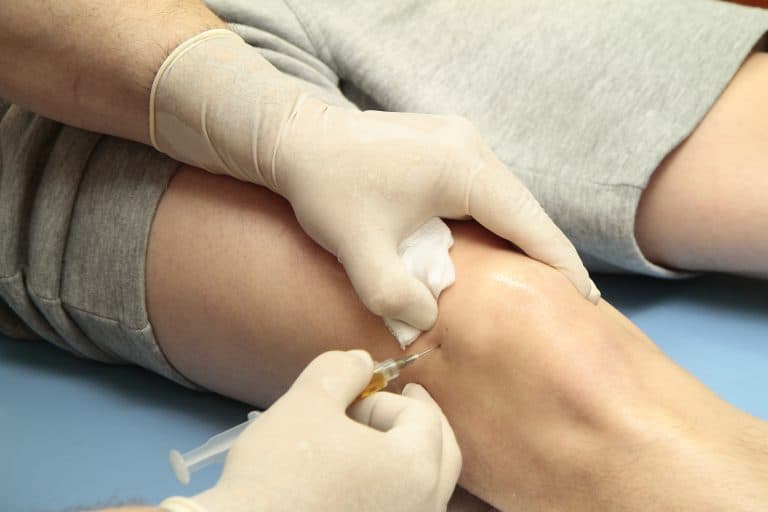



Rethinking Rehabilitation: How Ankle Cartilage Damage Affects Your Walk and What It Means for Recovery
Introduction
Ankle cartilage is a crucial tissue that cushions your ankle joint, helping absorb the impact of everyday activities like walking, running, or jumping. When this cartilage is damaged, it can lead to pain, discomfort, and noticeable changes in how you walk. Understanding the impact of cartilage injury on your walking mechanics is essential for developing more effective recovery strategies. In this article, we’ll explore how ankle cartilage damage affects your gait, the tools doctors use to diagnose these injuries, and the latest rehabilitation methods designed to help you walk naturally again.
What Is Ankle Cartilage and How Does It Get Damaged?
Cartilage is a smooth, rubbery tissue covering the ends of bones in your ankle joint . Its main role is to reduce friction and absorb shock during movement, much like the padding in your favorite sneakers. Cartilage damage can occur due to sudden injuries like sprains, repeated stress from sports, or simply from aging and everyday wear and tear. The extent of damage can range from tiny cracks to larger areas where cartilage has worn away, making the joint less stable.
Scientific studies show that once cartilage is damaged, it doesn’t just break down physically—its cells become inflamed and are less able to repair themselves. This leads to common symptoms like pain, stiffness, and reduced ankle motion. Damaged cartilage cells simply aren’t as effective at healing, which makes recovery more challenging. Additionally, inflammation and bleeding into the joint after an injury can worsen cartilage damage, increasing discomfort and limiting movement further.
How Cartilage Damage Changes the Way You Walk
When ankle cartilage is compromised, it can no longer distribute pressure evenly across the joint. This results in certain areas working harder, which causes discomfort and pain. To avoid pain, you might unconsciously change your walking pattern—taking shorter steps, favoring your other foot, or adjusting your posture . While these changes might reduce pain in the short term, they can put extra strain on other joints and muscles, leading to new issues over time.
Research has shown that internal bleeding and inflammation after an ankle injury can speed up cartilage deterioration and disrupt your natural walking style. This creates a cycle where pain leads to altered movement , which in turn can cause additional joint problems. Understanding these changes is vital because effective rehabilitation must address not only the injury but also the way it has impacted your entire walking pattern.
Advanced Tools for Diagnosing Cartilage Damage
Today’s technology gives doctors powerful ways to diagnose ankle cartilage injuries . Magnetic Resonance Imaging (MRI) provides clear, detailed images of your cartilage , making it easier to spot even small areas of damage. Additionally, three-dimensional gait analysis can measure the way you walk and track how much force your ankle absorbs with each step. By combining these cutting-edge tools, doctors can get a full picture of both the injury itself and how it’s affecting your movement. This helps them create treatment plans that are specifically tailored to your needs.
Traditional Treatments and New Rehabilitation Approaches
Traditional treatments for ankle cartilage damage usually include rest, physical therapy, medication, or—when necessary—surgery to repair or replace the damaged cartilage. While these methods often help manage pain, they don’t always restore your normal walking pattern or joint function.
Fortunately, newer rehabilitation strategies offer hope for better recovery. Innovative approaches include minimally invasive procedures, regenerative therapies that encourage your body to repair its own cartilage , and specialized exercise programs designed to correct faulty walking patterns. Recent research highlights the importance of managing inflammation around the joint, as anti-inflammatory treatments may help slow further cartilage damage . These contemporary therapies are especially promising for people hoping to avoid surgery.
How Rehabilitation Exercises Help Restore Mobility
Exercise is at the heart of recovering from ankle cartilage injuries . Physical therapy typically focuses on strengthening the muscles that support the ankle, improving your sense of joint position (proprioception), and encouraging smooth, coordinated movement. Think of this process as retraining your ankle to move the right way again, helping you regain confidence in your steps while reducing pain.
Consistent physical therapy does more than just ease symptoms—it also helps prevent the development of new, harmful walking habits that could lead to further injury. When combined with treatments that support cartilage healing, rehabilitation exercises offer the best chance for a long-lasting return to normal activity and improved quality of life.
Conclusion: Moving Forward Toward Better Recovery
Ankle cartilage damage doesn’t just impact the joint itself—it can change the way you walk and limit your mobility. By using advanced imaging and gait analysis together with modern rehabilitation programs that address both pain and movement, doctors can provide a more complete approach to treatment. This means not only relieving symptoms, but also restoring your natural walking pattern so you can move confidently again. As research continues to improve our understanding and expand treatment options, recovering from ankle cartilage damage is more promising than ever. With the right combination of medical care and focused rehabilitation, you can look forward to getting back on your feet—and back to the activities you love.
References
Candrian, C., Miot, S., Wolf, F., Bonacina, E., Dickinson, S. C., Wirz, D., Jakob, M., Valderrábano, V., Barbero, A., & Martín, I. (2010). Are ankle chondrocytes from damaged fragments a suitable cell source for cartilage repair? Osteoarthritis and Cartilage, 18(8), 1067-1076. https://doi.org/10.1016/j.joca.2010.04.010
Adams, S. B., Allen, N. B., & Abar, B. (2020). The intra-articular hematoma immediately after ankle fracture causes cartilage damage that is partially attenuated by anti-inflammatory agents. Foot & Ankle Orthopaedics, 5(2). https://doi.org/10.1177/2473011420s00002
Legal & Medical Disclaimer
This article is written by an independent contributor and reflects their own views and experience, not necessarily those of London Cartilage Clinic. It is provided for general information and education only and does not constitute medical advice, diagnosis, or treatment.
Always seek personalised advice from a qualified healthcare professional before making decisions about your health. London Cartilage Clinic accepts no responsibility for errors, omissions, third-party content, or any loss, damage, or injury arising from reliance on this material.
If you believe this article contains inaccurate or infringing content, please contact us at [email protected].
London Cartilage Clinic
Modern treatments, designed for lasting knee outcomes
Every treatment plan is selected to help you return to the quality of life you deserve. Our team combines up-to-date techniques with consultant-led decision making across cartilage repair, regeneration and replacement.
What your journey can look like
Step 01
Consultant-Led Assessment
Symptoms, imaging and goals reviewed in one structured appointment.
Step 02
Personalised Treatment Plan
A clear route chosen from repair, regeneration or replacement options.
Step 03
Precision Delivery
Modern techniques and specialist equipment matched to your diagnosis.
Step 04
Long-Term Knee Health
Follow-up guidance focused on durable function and quality of life.
Will the Arthrosamid work for me
PAAG-8+ Questionnaire
A bright, structured entry point for patients exploring Arthrosamid. The questionnaire helps frame suitability, expectations, and 24-month clinical benefit discussion before a fuller consultant-led review.
Designed for shared decision-making. It does not replace specialist consultation, examination, imaging review, or formal medical advice.