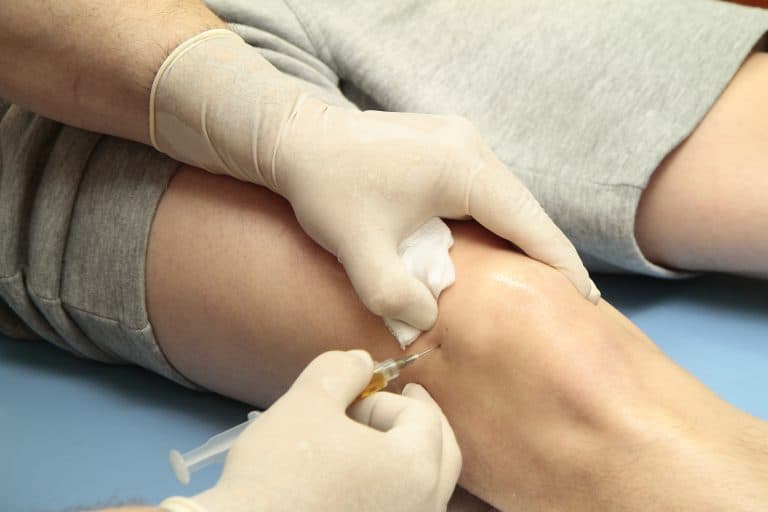



Rethinking Cartilage Care: How ChondroFiller Redefines Recovery Beyond Traditional Treatments
Introduction: Why Effective Cartilage Repair Matters
Healthy cartilage is vital for keeping our joints working smoothly and maintaining mobility throughout life. When cartilage becomes damaged, it can cause significant pain and limit movement, affecting everyday activities and overall well-being. As more people look for lasting and minimally invasive treatments, new options are emerging that offer fresh hope. This article looks at how ChondroFiller , a novel treatment, is changing the way we approach cartilage repair , standing apart from traditional methods commonly used in orthopaedics. Whether you’re a patient or a healthcare professional, understanding these advances can help guide better decisions about joint health.
Traditional Cartilage Treatments: What You Should Know
For years, surgeons have relied on techniques like debridement and microfracture to treat cartilage damage . Debridement involves carefully removing loose or frayed cartilage pieces to ease joint irritation, while microfracture surgery encourages the body to grow new cartilage by making tiny holes in the bone beneath the damaged area. These methods can be effective in many cases, helping patients regain joint function and reduce symptoms.
However, they do have limitations. Results can vary between individuals, and sometimes the new cartilage isn’t as strong or durable as the original. Some patients may need further surgical procedures down the line. This has led to increasing interest in treatments that support more natural and long-lasting cartilage repair .
ChondroFiller: A New Path to Healing Cartilage
ChondroFiller offers a fresh approach by providing the body with a ready-made support to help cartilage heal itself. This treatment uses a liquid form of type I collagen — a key structural protein in cartilage — which acts like a scaffold inside the damaged area. This scaffold encourages new cartilage cells to grow and repair the tissue.
To make sure the treatment reaches the right spot, doctors have developed clever tools that combine a fine needle with a curette (a small surgical instrument). This “needle and curette technique” allows precise placement of the ChondroFiller directly into the cartilage defect, even in hard-to-reach areas of the hip joint. As described in recent studies, this method is “simple, inexpensive and reproducible,” making it a promising option in arthroscopic (keyhole) surgery.
Free non-medical discussion
Not sure what to do next?
Information only · No medical advice or diagnosis.
How Does ChondroFiller Compare to Traditional Treatments?
One major advantage of ChondroFiller is that it can be delivered in a single, minimally invasive procedure. Whereas traditional surgeries often involve longer recovery times and more trauma to the joint, ChondroFiller ’s “1-step arthroscopic procedure” can mean less disruption for patients.
Clinical reports reveal encouraging results. For example, patients treated with similar collagen matrix techniques have shown significant improvements in pain levels and joint function, with most returning comfortably to activities and even sports. MRI scans also demonstrate positive changes in cartilage quality after treatment, supporting the idea that the repair process is not just cosmetic but structural.
That said, individual outcomes depend on many factors like age, overall health, and size of the cartilage defect. This is why personalised clinical assessment remains vital to choosing the right treatment .

Expertise and Support: Keys to Successful Recovery
No matter how advanced the treatment, the skill of the medical team and quality of post-treatment support are crucial. Experts such as Professor Paul Lee and the team at the London Cartilage Clinic combine the latest techniques with tailored rehabilitation plans. This comprehensive care helps patients recover more effectively, regain strength , and maintain joint health over time.
Choosing an experienced surgeon and a trusted clinic can make all the difference, improving both the outcome and the patient experience throughout the healing journey.
Conclusion: A Promising Future for Cartilage Repair
ChondroFiller represents an exciting step forward in cartilage repair —offering a less invasive, biologically supportive option that encourages natural healing. Its straightforward application and growing clinical evidence point to better recovery experiences for many patients.
However, every case is unique. It remains important to seek personalised advice from healthcare professionals who can recommend the best approach based on individual needs.
For expert guidance on cartilage injuries and available treatments, please consult a qualified healthcare practitioner.
References
Perez-Carro, L., Rosi Mendoza Alejo, P., Gutierrez Castanedo, G., Menendez Solana, G., Fernandez Divar, J. A., Galindo Rubin, P., & Alfonso Fernandez, A. (2021). Hip Chondral Defects: Arthroscopic Treatment With the Needle and Curette Technique and ChondroFiller.
Frequently Asked Questions
- ChondroFiller uses a liquid type I collagen scaffold, allowing natural cartilage regeneration via a single-step minimally invasive procedure. This sets it apart from older techniques, which often require more invasive surgery and may not provide long-lasting or robust cartilage repair outcomes.
- London Cartilage Clinic combines advanced treatments like ChondroFiller with a strong focus on personalised care. The experienced team, led by Professor Paul Lee, ensures patients receive the latest techniques in a supportive, state-of-the-art environment, maximising recovery potential and patient confidence.
- Professor Paul Lee is renowned for his expertise in cartilage repair, employing innovative methods and minimally invasive techniques. Patients at London Cartilage Clinic benefit from his extensive experience, research involvement, and commitment to providing tailored rehabilitation and comprehensive post-treatment support.
- ChondroFiller allows for a minimally disruptive, single-step arthroscopic procedure, which can lead to less downtime and a smoother recovery. The Clinic’s expert team supports patients through a carefully planned rehabilitation process, ensuring optimal joint function and long-term health outcomes.
- Patient outcomes depend on factors like age, health and cartilage damage extent. London Cartilage Clinic prioritises thorough assessment to recommend the most suitable approach. Receiving care from Professor Lee’s specialist team ensures each patient’s unique needs and expectations are respected and addressed.
Legal & Medical Disclaimer
This article is written by an independent contributor and reflects their own views and experience, not necessarily those of London Cartilage Clinic. It is provided for general information and education only and does not constitute medical advice, diagnosis, or treatment.
Always seek personalised advice from a qualified healthcare professional before making decisions about your health. London Cartilage Clinic accepts no responsibility for errors, omissions, third-party content, or any loss, damage, or injury arising from reliance on this material.
If you believe this article contains inaccurate or infringing content, please contact us at [email protected].
London Cartilage Clinic
Modern treatments, designed for lasting knee outcomes
Every treatment plan is selected to help you return to the quality of life you deserve. Our team combines up-to-date techniques with consultant-led decision making across cartilage repair, regeneration and replacement.
What your journey can look like
Step 01
Consultant-Led Assessment
Symptoms, imaging and goals reviewed in one structured appointment.
Step 02
Personalised Treatment Plan
A clear route chosen from repair, regeneration or replacement options.
Step 03
Precision Delivery
Modern techniques and specialist equipment matched to your diagnosis.
Step 04
Long-Term Knee Health
Follow-up guidance focused on durable function and quality of life.
Will the Arthrosamid work for me
PAAG-8+ Questionnaire
A bright, structured entry point for patients exploring Arthrosamid. The questionnaire helps frame suitability, expectations, and 24-month clinical benefit discussion before a fuller consultant-led review.
Designed for shared decision-making. It does not replace specialist consultation, examination, imaging review, or formal medical advice.