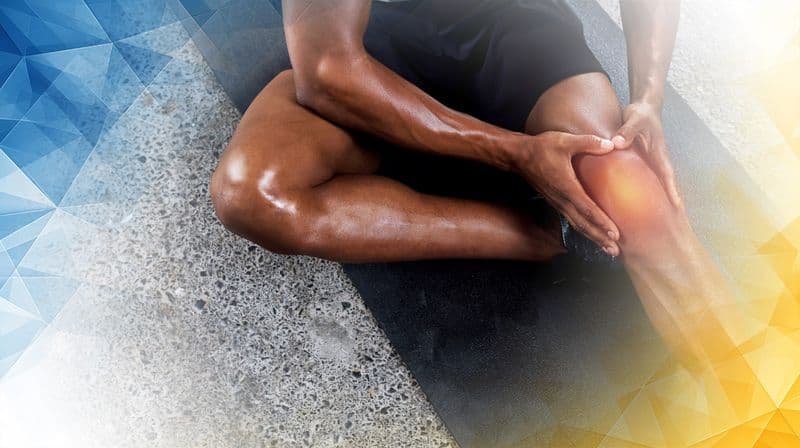



Rejuvenate Your Knees: Evidence-Based Yoga Poses to Support Knee Health and Recovery
Introduction
Knee pain is an issue that affects millions of people and can make simple activities—like walking, climbing stairs, or even standing—feel daunting. Whether your discomfort stems from an old injury , arthritis, or just the everyday wear and tear of life, knee pain can limit your mobility and impact your quality of life. The good news is that yoga , supported by modern research, offers a gentle, effective way to support knee health and relieve pain.
In this article, we’ll explore specific yoga poses that strengthen the muscles around your knees, improve flexibility, and help reduce inflammation. Each pose is supported by scientific studies, and we’ll show you how to practice them safely and make them a regular part of your routine—so you can get back to moving with confidence.
Understanding Knee Pain and How Yoga Helps
The knee is a complex joint made up of bones, ligaments, tendons, and cartilage—all working together to support your weight and allow movement. When any of these parts become strained, injured, or weakened, pain and stiffness can result.
Knee pain is often caused by arthritis, injury, or muscle imbalances that reduce the support around the joint. When muscles are weak or tight, the knee loses stability, which can lead to more pain and potential injury.
Research shows that yoga help s by targeting key muscles such as the quadriceps (front thigh), hamstrings (back thigh), and calf muscles. Strengthening and stretching these areas stabilizes the knee, absorbs shock, and lessens the strain on the joint. Yoga also increases blood flow, which may reduce swelling and promote healing.
Clinical studies have found that people who regularly practice yoga experience less knee pain and better mobility. For example, one study found that yoga therapy was more effective than standard physiotherapy exercises as an adjunct therapy for osteoarthritis of the knee (Nagarathna et al., 2012). These findings show that yoga can be a powerful, non-drug option for people dealing with knee trouble.
Yoga Poses That Support Knee Health
Here are four yoga poses shown to benefit knee health. For each, you’ll find clear instructions, what muscles it targets, and how it supports better knee function .
1. Warrior II (Virabhadrasana II)
Start by standing with your feet wide apart. Turn your right foot out 90 degrees and your left foot slightly inward. Bend your right knee so it stacks above your ankle; keep your left leg strong and straight. Extend your arms sideways at shoulder height, and gaze out over your right hand.
This pose strengthens your quadriceps and hips, providing crucial support that keeps your knees stable and properly aligned. With stronger support muscles, you reduce pressure on the joint and lower your risk of injury.
2. Bridge Pose (Setu Bandhasana)
Lie on your back, bend your knees, and plant your feet hip-width apart. Press your feet and arms firmly into the floor as you lift your hips toward the ceiling, keeping your shoulders grounded.
Bridge Pose activates your glutes and hamstrings, the muscles that help control knee movement and absorb the stress of walking or running. By strengthening these muscles, you can reduce knee pain and improve your mobility.
3. Extended Triangle Pose (Utthita Trikonasana)
Stand with your feet wide. Turn your right foot outward and reach your right hand toward your shin or the floor (use a yoga block if needed), extending your left arm up to the ceiling. Keep both legs straight and engage your thigh muscles .
Triangle Pose stretches your hamstrings and strengthens muscles around the knees —key for joint stability and flexibility. Improved muscle balance helps decrease strain on your knees and can reduce everyday pain.
4. Reclining Hand-to-Big-Toe Pose (Supta Padangusthasana)
Lie on your back. Lift one leg up and hold your big toe with your hand or a yoga strap; keep your other leg bent or relaxed on the floor.
This gentle stretch targets your hamstrings and calves, which can increase flexibility around your knee and stimulate circulation. Loosening tight muscles allows the knee to move more freely and comfortably.
How to Include Yoga in Your Knee Care
For best results, aim to practice these poses 3 to 4 times a week. Hold each one for 30 seconds to 1 minute, gradually increasing as you get stronger and more comfortable. If you’re new to yoga , props like blocks or straps can help you maintain good alignment and reduce strain.
Begin each session with a gentle warm-up to prepare your joints and muscles, and cool down afterward to ease stiffness. If you have ongoing knee issues or severe pain, consult your doctor or a certified yoga instructor before starting any new exercise program. Remember to listen to your body—if you feel sharp pain, stop right away.
Studies show that yoga can lead to greater reductions in knee pain and improved function compared to standard care. While every person’s experience will be different, regular yoga practice gives you a valuable tool to help manage knee discomfort and support your overall joint health.
Conclusion
Yoga , backed by scientific research, is a safe and effective way to reduce knee pain and enhance joint function. By building strength and flexibility in the muscles that support your knees , you protect and preserve your mobility.
When you combine time-tested yoga wisdom with modern medical insights, you empower yourself to take charge of your knee health. Practice at your own pace, seek out guidance when you need it, and let yoga help you move with more comfort and confidence. With time and regular practice, you’ll notice less pain and more freedom in your everyday life.
References
Bid Dibyendunarayan Dhrubaprasad. (2018). Effectiveness of yoga asanas over conventional physiotherapy treatment on functional outcomes in patients with knee osteoarthritis. MOJ Yoga & Physical Therapy, 3(3). https://doi.org/10.15406/mojypt.2018.03.00044
Putri, P., Ningsih, R., Rehana, & Suri, A. (2022). The Effect of Yoga Asanas on Dysmenorrhea Pain. International Journal Scientific and Professional (Ij-Chiprof), 1(3), 150-154. https://doi.org/10.56988/chiprof.v1i3.24
Nagarathna, R., Ebnezar, J., Yogitha, B., & Nagendra, H. R. (2012). Effect of integrated yoga therapy on pain, morning stiffness and anxiety in osteoarthritis of the knee joint: A randomized control study. International Journal of Yoga, 5(1), 28. https://doi.org/10.4103/0973-6131.91708
Legal & Medical Disclaimer
This article is written by an independent contributor and reflects their own views and experience, not necessarily those of London Cartilage Clinic. It is provided for general information and education only and does not constitute medical advice, diagnosis, or treatment.
Always seek personalised advice from a qualified healthcare professional before making decisions about your health. London Cartilage Clinic accepts no responsibility for errors, omissions, third-party content, or any loss, damage, or injury arising from reliance on this material.
If you believe this article contains inaccurate or infringing content, please contact us at [email protected].
London Cartilage Clinic
Modern treatments, designed for lasting knee outcomes
Every treatment plan is selected to help you return to the quality of life you deserve. Our team combines up-to-date techniques with consultant-led decision making across cartilage repair, regeneration and replacement.
What your journey can look like
Step 01
Consultant-Led Assessment
Symptoms, imaging and goals reviewed in one structured appointment.
Step 02
Personalised Treatment Plan
A clear route chosen from repair, regeneration or replacement options.
Step 03
Precision Delivery
Modern techniques and specialist equipment matched to your diagnosis.
Step 04
Long-Term Knee Health
Follow-up guidance focused on durable function and quality of life.
Will the Arthrosamid work for me
PAAG-8+ Questionnaire
A bright, structured entry point for patients exploring Arthrosamid. The questionnaire helps frame suitability, expectations, and 24-month clinical benefit discussion before a fuller consultant-led review.
Designed for shared decision-making. It does not replace specialist consultation, examination, imaging review, or formal medical advice.