


Regenerative Breakthroughs in Knee Cartilage Repair: How Biomedical Innovation Is Changing Treatment
Introduction
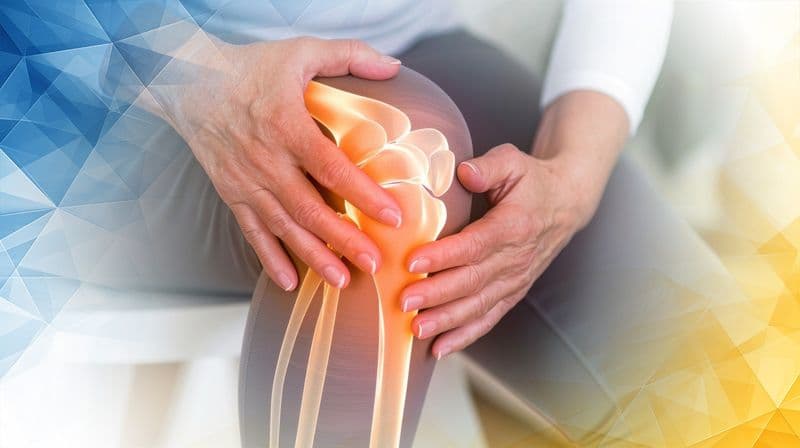
Our knees play a crucial role in everyday movement, providing the flexibility and strength we rely on to walk, run, and live an active life. At the core of this joint’s smooth motion is knee cartilage —a specialized tissue that cushions the bones and keeps them moving effortlessly. Unfortunately, cartilage has a very limited capacity to heal itself when damaged due to its lack of blood vessels. Over time, injuries or simple wear and tear can lead to pain, swelling, and reduced mobility.
But there’s hope on the horizon. Thanks to exciting advances in biomedical research, new regenerative treatments are helping the knee repair itself more naturally. Techniques like tissue engineering, stem cell therapy , and innovative biomaterials are leading the way to better, longer-lasting solutions for knee cartilage injuries. In this article, we’ll explore how these breakthroughs are transforming knee care and what they mean for the future.
What Is Knee Cartilage and Why Is It Important?
Knee cartilage , also known as articular cartilage , is a tough but smooth layer that covers the ends of the thigh bone, shin bone, and the back of the kneecap. Its job is to provide a low- friction surface so bones can glide smoothly against each other, while also absorbing shocks from walking, running, or jumping.
Unlike many tissues in our bodies, cartilage doesn ’t have its own blood supply. This is a key reason why it struggles to heal after injury—nutrients and healing factors simply can’t reach it as easily. That’s why conditions like osteoarthritis or even single injuries can lead to chronic discomfort and limited movement. Understanding cartilage’s limitations helps explain why new approaches are needed to repair and restore it effectively.
New Approaches to Repairing Knee Cartilage
Regenerative medicine has brought fresh hope to patients with cartilage damage. One of the most promising advances is tissue engineering, where scientists create tiny scaffolds—structures built from natural or synthetic materials—that are placed into the damaged area. These scaffolds provide support and guidance for new cartilage cells to grow, encouraging the body to rebuild healthy tissue.
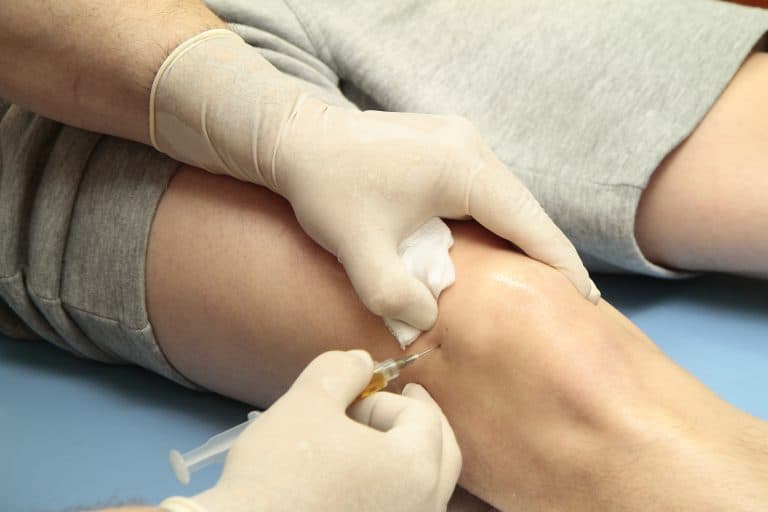
Stem cell therapy is another game-changer. Stem cells, which can turn into many types of cells (including cartilage), are either taken from the patient or a donor and delivered directly into the injured knee. Here, they help jump-start new cartilage formation. Complementing these strategies, advanced biomaterials like hydrogels and bioactive molecules are used to provide an ideal environment for the new cells, helping them survive and integrate fully into the joint. The ultimate goal is to regenerate tissue that closely matches the strength and flexibility of natural cartilage.
Free non-medical discussion
Not sure what to do next?
Information only · No medical advice or diagnosis.
How Do Regenerative Treatments Compare to Traditional Options?
Traditional treatments for knee cartilage damage include procedures like microfracture surgery, autologous chondrocyte implantation (growing the patient’s own cartilage cells in a lab before re-implanting them), and in advanced cases, total knee replacement. While these options can relieve pain and improve function, they aren’t perfect. For example, microfracture often produces a repair tissue that isn’t as durable as original cartilage , and knee replacements, although effective, are major surgeries with their own risks.
Regenerative therapies aim to take a more natural approach by fostering the growth of hyaline-like cartilage —the kind that naturally exists in healthy knees. This can mean more durable repair, less invasive procedures, and shorter recovery times. While the science is still evolving, cell-based and marrow-stimulating techniques are rapidly gaining traction in clinical practice, reflecting a real shift towards regenerative options. Additionally, research suggests that the success of these treatments may depend on the stage and type of cartilage damage, underlining the importance of personalized approaches.

Current Challenges and What’s Next
Despite significant progress, regenerative medicine faces some ongoing hurdles. One of the biggest is ensuring that the new cartilage is strong and well-bonded so it can withstand the constant pressure and movement of the knee . Factors such as a patient’s age, lifestyle, and the size or location of the cartilage injury can all influence how well these new treatments work.
Another challenge is scaling up production and making advanced therapies affordable and widely available. Standardizing procedures, improving materials, and fine-tuning patient selection are active areas of ongoing research. As we learn more, it’s becoming clear that matching treatment to the specific biological context and extent of damage will be essential for the best outcomes.
Looking Ahead: The Future of Knee Cartilage Repair
The future of knee cartilage treatment is bright and full of promise. Ongoing breakthroughs in stem cell research, biomaterials, and tissue engineering are bringing us closer than ever to truly personalized, effective care. Collaboration between scientists, doctors, and industry leaders will be key to bringing these innovative ideas from the lab to the clinic.
Ultimately, these regenerative advances stand to move knee care beyond simply managing pain, offering the possibility of restored mobility and a return to an active life. Millions of people could see their quality of life improve as these next-generation treatments become the new standard of care.
Conclusion
Knee cartilage , though small, is essential for pain-free movement. Its poor ability to heal has made treatment difficult for many years. Today, thanks to rapid advances in regenerative medicine—especially in tissue engineering, stem cell therapy , and biomaterials—the approach to knee cartilage repair is changing dramatically. While there are still challenges ahead, the progress so far brings real hope for better knee health and improved quality of life. As research continues to move forward, regenerative therapies are set to become a foundation of knee care in the years to come.
References
Steinmetz, G., Guth, J. J., Matava, M. J., Smith, M. V., & Brophy, R. H. (2022). Global Variation in Studies of Articular Cartilage Procedures of the Knee: A Systematic Review. CARTILAGE, 13(2). https://doi.org/10.1177/19476035221098169
Farooq, M., Tycksen, E., Cai, L., Yu, J., Wright, R. W., & Brophy, R. H. (2019). Distinct degenerative phenotype of articular cartilage from knees with meniscus tear compared to knees with osteoarthritis. Osteoarthritis and Cartilage, 27(6), 945-955. https://doi.org/10.1016/j.joca.2019.02.792
Melugin, H. P., Bernard, C. D., Camp, C. L., Saris, D. B. F., & Krych, A. J. (2019). Bipolar Cartilage Lesions of the Knee: A Systematic Review of Techniques, Outcomes, and Complications. CARTILAGE, 13(1_suppl), 17S–30S. https://doi.org/10.1177/1947603519855761
Legal & Medical Disclaimer
This article is written by an independent contributor and reflects their own views and experience, not necessarily those of London Cartilage Clinic. It is provided for general information and education only and does not constitute medical advice, diagnosis, or treatment.
Always seek personalised advice from a qualified healthcare professional before making decisions about your health. London Cartilage Clinic accepts no responsibility for errors, omissions, third-party content, or any loss, damage, or injury arising from reliance on this material.
If you believe this article contains inaccurate or infringing content, please contact us at [email protected].
London Cartilage Clinic
Modern treatments, designed for lasting knee outcomes
Every treatment plan is selected to help you return to the quality of life you deserve. Our team combines up-to-date techniques with consultant-led decision making across cartilage repair, regeneration and replacement.
What your journey can look like
Step 01
Consultant-Led Assessment
Symptoms, imaging and goals reviewed in one structured appointment.
Step 02
Personalised Treatment Plan
A clear route chosen from repair, regeneration or replacement options.
Step 03
Precision Delivery
Modern techniques and specialist equipment matched to your diagnosis.
Step 04
Long-Term Knee Health
Follow-up guidance focused on durable function and quality of life.
Will the Arthrosamid work for me
PAAG-8+ Questionnaire
A bright, structured entry point for patients exploring Arthrosamid. The questionnaire helps frame suitability, expectations, and 24-month clinical benefit discussion before a fuller consultant-led review.
Designed for shared decision-making. It does not replace specialist consultation, examination, imaging review, or formal medical advice.