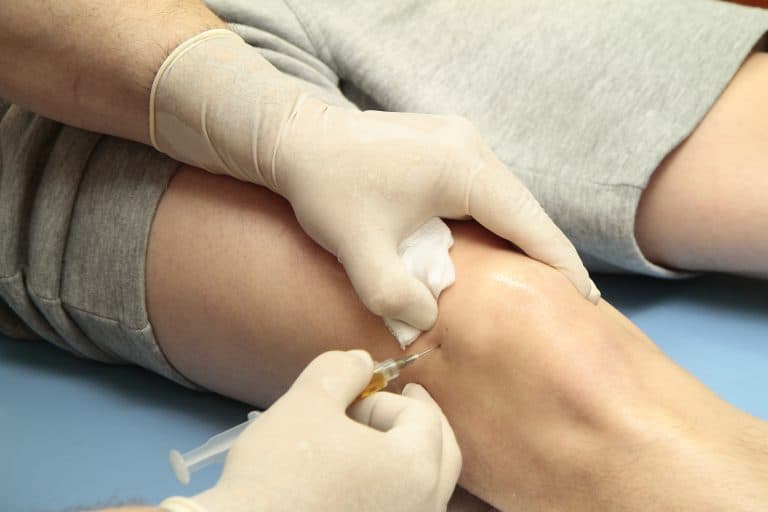



Recognising and Managing Torn Cartilage in the Knee: Symptoms, Diagnosis, and Treatment Insights
Introduction
A torn cartilage in the knee is a common injury that can severely affect your mobility and overall quality of life. Cartilage is the smooth, rubbery tissue that cushions your knee joint , allowing it to absorb shocks and move easily. When this protective tissue gets torn, you may experience pain, instability, and even more serious joint problems if the injury goes untreated. Recognising the early symptoms is essential for preventing further damage and keeping your knee healthy.
Thanks to advances in medical imaging and research, our understanding and management of this injury have improved dramatically. In this article, we’ll guide you through the key symptoms to watch for, the challenges in diagnosing torn cartilage , and the full range of treatment options—from traditional approaches to new, innovative therapies. Whether you’re recovering from injury or simply looking to protect your knee health, this guide will help you make informed decisions at every step.
Spotting the Symptoms and Understanding the Diagnosis
Symptoms of torn cartilage in the knee can be subtle or obvious, and may include sharp or aching pain, swelling, a sensation that your knee might "give way," or trouble fully straightening or bending your leg. What makes cartilage tears tricky is that their symptoms often overlap with other knee injuries , like ligament sprains or meniscus tears , which can make an accurate diagnosis more challenging.
Unlike ligament injuries that typically cause sudden instability, torn cartilage symptoms can develop gradually or feel worse with activities such as twisting, squatting, or climbing stairs. This sometimes results in delays in getting the correct diagnosis .
While standard X-rays are useful for showing bone injuries, they don’t capture cartilage damage because cartilage is soft tissue. Fortunately, MRI scans, especially with advanced techniques like T2 mapping, now allow doctors to see cartilage in much greater detail. In some cases, a minor surgical procedure called an arthroscopy may be needed. This involves inserting a tiny camera into the knee to directly view and assess the cartilage and other joint structures.
Recent research has also shown that some cartilage injuries can be hard to detect even with imaging. For example, concealed cartilage tears might only be discovered during arthroscopy when the surgeon can thoroughly probe the tissue. This is why getting an expert evaluation is so important—an accurate diagnosis is key because treatment plans vary widely depending on the exact injury .
Free non-medical discussion
Not sure what to do next?
Information only · No medical advice or diagnosis.
Treatment: Traditional Approaches and New Horizons
Treatment for torn cartilage in the knee depends on the severity of the symptoms, your age, activity level, and the specific nature of the injury .
Most cases start with conservative therapies: rest, physiotherapy, and anti-inflammatory medications to relieve pain and reduce swelling. Strengthening the muscles around the knee and improving joint flexibility can promote healing and help restore function. If these measures don’t resolve your symptoms—or if you experience mechanical issues like your knee "locking"—your doctor may recommend arthroscopic surgery . This minimally invasive operation allows the surgeon to trim or repair damaged cartilage and address any hidden problems in the knee.
Arthroscopic procedures have been shown to greatly improve symptoms for many patients, sometimes resolving pain and instability where other treatments have failed. Recovery time can range from a few weeks to several months, depending on the extent of the injury and the treatment chosen. Following a structured rehabilitation programme is crucial to get the best possible outcome.
What’s especially exciting is the emergence of regenerative therapies in knee care. These treatments, like autologous cell therapies, use your own cells to stimulate natural repair processes. Scientists are also developing growth factors and specialized scaffolds that encourage new tissue to grow in areas of damage. While these approaches are still under investigation, they offer hope for more durable healing and could change the future of cartilage injury treatment.

Practical Advice and Key Takeaways
Catching the early signs of torn cartilage in the knee is key for timely treatment and a smoother recovery. Because cartilage injuries share symptoms with other knee conditions, getting a careful examination and high-quality imaging is critical.
Treatment ranges from simple rest and rehab to surgery and, potentially, cutting-edge regenerative therapies . Recovery times vary, but committing to a proper physiotherapy plan can make all the difference. If your knee pain or instability doesn’t improve, see a specialist early—waiting can lead to greater damage and longer recovery.
For healthcare professionals, a team approach that combines the expertise of orthopaedic doctors, physiotherapists, and, if needed, regenerative medicine specialists gives each patient the best chance for a successful outcome.
Ongoing research is paving the way for less invasive and more effective treatments. By staying informed about both proven and emerging therapies, patients and clinicians can work together for optimal knee health .
In summary, a torn cartilage in the knee is a challenging injury that demands attention to early symptoms, an accurate diagnosis , and a personalised treatment plan. Thanks to ongoing advances in medical technology and research, those affected have more options and better outcomes than ever before—offering real hope for long- term joint health and a return to full activity.
References
Lambrinudi, C. (1939). Injuries to Both Semilunar Cartilages of the Knee-Joint. Journal of the Royal Society of Medicine, 32(6), 635-640. https://doi.org/10.1177/003591573903200626
Robinson, W. E. (1914). TORN SEMILUNAR CARTILAGES. BMJ, 1(2768), 133-136.
Thein, R., & Eichenblat, M. (1999). Concealed knee cartilage lesions: Is arthroscopic probing therapeutic? The American Journal of Sports Medicine, 27(4), 495-499. https://doi.org/10.1177/03635465990270041401
Frequently Asked Questions
- Common early signs include pain, swelling, and difficulty bending or straightening your knee. Some patients may feel as if the knee could "give way." If symptoms persist, it is important to consult experts like Professor Lee at London Cartilage Clinic for a thorough assessment.
- Cartilage injuries often mimic other knee problems, making precise diagnosis essential. Professor Lee at London Cartilage Clinic utilises advanced imaging and clinical expertise to identify the exact injury, ensuring a personalised treatment approach and optimising your prospects for recovery and long-term knee health.
- London Cartilage Clinic offers a comprehensive range of treatments, from physiotherapy and minimally invasive arthroscopy to the latest regenerative therapies. Professor Lee’s extensive experience ensures each patient receives tailored care, taking advantage of both proven traditional methods and ground-breaking new approaches in cartilage repair.
- Regenerative therapies, such as autologous cell treatments, tap into the body’s own healing processes to help repair knee cartilage. London Cartilage Clinic and Professor Lee are leaders in applying these advanced techniques, offering hope for long-lasting results and improved mobility, especially when conventional treatments are insufficient.
- Professor Lee is highly regarded for his clinical experience, expertise in advanced diagnostics, and commitment to patient-centred care. At London Cartilage Clinic, patients benefit from innovative therapies, a multidisciplinary team, and specialist guidance, making it a premier destination for comprehensive knee cartilage treatment and ongoing support.
Legal & Medical Disclaimer
This article is written by an independent contributor and reflects their own views and experience, not necessarily those of London Cartilage Clinic. It is provided for general information and education only and does not constitute medical advice, diagnosis, or treatment.
Always seek personalised advice from a qualified healthcare professional before making decisions about your health. London Cartilage Clinic accepts no responsibility for errors, omissions, third-party content, or any loss, damage, or injury arising from reliance on this material.
If you believe this article contains inaccurate or infringing content, please contact us at [email protected].
London Cartilage Clinic
Modern treatments, designed for lasting knee outcomes
Every treatment plan is selected to help you return to the quality of life you deserve. Our team combines up-to-date techniques with consultant-led decision making across cartilage repair, regeneration and replacement.
What your journey can look like
Step 01
Consultant-Led Assessment
Symptoms, imaging and goals reviewed in one structured appointment.
Step 02
Personalised Treatment Plan
A clear route chosen from repair, regeneration or replacement options.
Step 03
Precision Delivery
Modern techniques and specialist equipment matched to your diagnosis.
Step 04
Long-Term Knee Health
Follow-up guidance focused on durable function and quality of life.
Will the Arthrosamid work for me
PAAG-8+ Questionnaire
A bright, structured entry point for patients exploring Arthrosamid. The questionnaire helps frame suitability, expectations, and 24-month clinical benefit discussion before a fuller consultant-led review.
Designed for shared decision-making. It does not replace specialist consultation, examination, imaging review, or formal medical advice.