


Preparing and Recovering from ChondroFiller Treatment: How to Optimise Your Cartilage Repair
ChondroFiller is an innovative, cell-free collagen matrix designed to repair small areas of cartilage damage in joints. Acting as a supportive scaffold, it helps your body grow new cartilage and heal damaged areas that wouldn’t heal well on their own. Because cartilage has limited ability to repair itself, treatments like ChondroFiller are a promising option for restoring joint function and reducing pain.
While the procedure itself is important, the success of cartilage repair with ChondroFiller also depends on preparing your body beforehand and taking good care of your joint afterwards. At the London Cartilage Clinic , patients receive expert, compassionate care in a professional and supportive environment to maximise their recovery. In this article, we’ll take you through the key stages: preparing for your procedure, what to do before treatment, how to care for your joint after, and your long-term rehabilitation journey.
Getting Ready for Your ChondroFiller Procedure
Your treatment journey starts with a thorough consultation with Professor Paul Lee, a specialist in orthopaedics and rehabilitation. He’ll review your medical history and carry out imaging tests, such as an MRI or a minimally invasive arthroscopy, to fully understand your cartilage damage. The extent and severity of the damage are usually classified using the International Cartilage Repair Society (ICRS) grading system, which helps determine the most appropriate treatment for you.
You’ll also undergo functional assessments, including the International Knee Documentation Committee (IKDC) score to measure knee function and a general health survey (SF-36). These assessments set a starting point so that your progress can be tracked over time. Research consistently shows that patients who receive cell-free collagen matrix treatments like ChondroFiller often see significant improvements in knee function.
Optimising your overall health before the procedure is also important. Eating a balanced diet, staying hydrated, quitting smoking , and reviewing your medications with your doctor can all support faster, better healing. The clinic team will work with you to set realistic expectations, helping you feel prepared and confident as you approach your procedure.
What to Do Right Before Treatment
In the 24 to 48 hours before your treatment, it’s essential to closely follow your healthcare team’s instructions. This often includes fasting for a specified period, adjusting medications as advised, and avoiding strenuous physical activity.
On the day of the procedure, the ChondroFiller collagen matrix is carefully prepared. The syringe is gently warmed so the gel becomes more flexible and can adhere properly to the damaged cartilage surface during treatment. This preparation step is crucial to ensure the treatment works effectively.
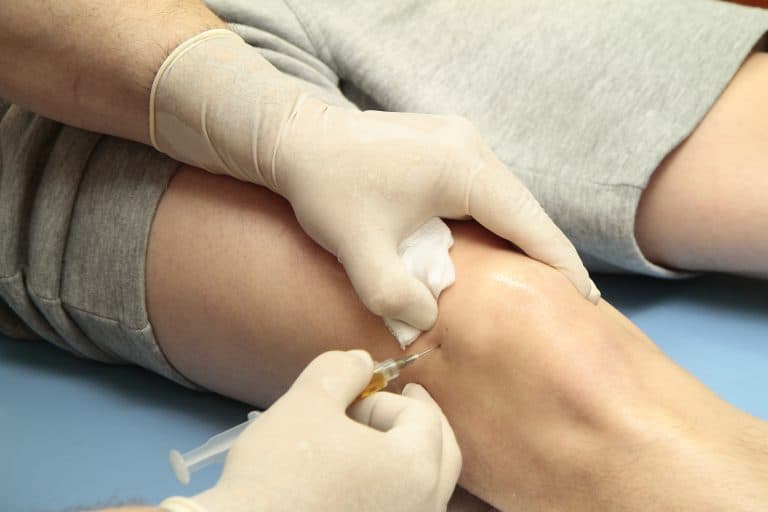
During the procedure, the medical team ensures precise placement of the material. By keeping the needle close to the cartilage defect , surgeons can make sure the ChondroFiller fills the area accurately, limiting waste and optimising results. Studies have shown this method leads to effective filling of the defect and a strong safety profile.
The London Cartilage Clinic team is there to answer any questions you may have before and during your treatment, ensuring you feel informed and supported throughout the process.
Free non-medical discussion
Not sure what to do next?
Information only · No medical advice or diagnosis.
Caring for Your Joint Immediately After Treatment
Immediately after your procedure, it’s important to immobilise the joint to allow the ChondroFiller to settle and begin supporting new cartilage growth. Typically, a plaster cast or splint is used for about 48 hours, combined with bed rest, following established protocols.
Following this initial period, you’ll gradually start to move the joint. For the next six weeks, you’ll only place a small amount of weight on the affected joint (usually up to around 5 kg), and you may use an unloader brace or orthosis for added protection. Pain relief will be tailored to keep you comfortable during this early recovery stage.
As you heal, you’ll begin gentle rehabilitation with guided physiotherapy . Exercises may start with muscle-strengthening activities that don’t put stress on the healing cartilage , as well as recommendations for icing and rest. Staying in regular contact with the clinic allows for prompt support and adjustment of your recovery plan as needed.

Your Long-Term Rehabilitation Journey
About seven weeks after your procedure, most patients can put their full weight on the joint again. By four months, low-impact activities like cycling and swimming can usually be added to your routine to help strengthen the joint without putting too much pressure on it.
Rehabilitation continues with a structured exercise program focused on gradually increasing resistance and strengthening muscles , while allowing time for rest and recovery. Many patients return to non-contact sports after around six months and may resume contact sports after about one year, depending on their progress.
Long-term studies show that most patients experience lasting improvement and high satisfaction with their results. Many report good or very good outcomes and say they would choose to have the procedure again. Importantly, research notes a strong safety record with no long-term complications reported in these groups.
Partnering with Professor Paul Lee and the London Cartilage Clinic Team
Throughout every stage of your treatment and recovery, Professor Paul Lee and the London Cartilage Clinic team provide expert, personalised care. They believe in open communication and regular check-ins, continuously adapting your recovery plan to suit your needs and support your healing journey.
For the best chance of a successful recovery and a return to your favourite activities, follow your rehabilitation program closely and stay in touch with your care team.
Always consult a qualified healthcare professional for personalised medical advice.
References
- Breil-Wirth, A., von Engelhardt, L., Lobner, S., & Jerosch, J. (2016). Retrospective study of cell-free collagen matrix for cartilage repair. Osteologie, 2016, 0515-0520. https://doi.org/10.3238/oup.2016.0515-0520
- Perez-Carro, L., Rosi Mendoza Alejo, P., Gutierrez Castanedo, G., Menendez Solana, G., Fernandez Divar, J. A., Galindo Rubin, P., & Alfonso Fernandez, A. (2021). Hip Chondral Defects: Arthroscopic Treatment With the Needle and Curette Technique and ChondroFiller. Arthroscopy Techniques. https://doi.org/10.1016/j.eats.2021.03.011
- Schneider, U. (2016). Controlled, randomized multicenter study to compare compatibility and safety of ChondroFiller liquid (cell free 2-component collagen gel) with microfracturing of patients with focal cartilage defects of the knee joint. https://doi.org/10.5348/VNP05-2016-1-OA-1
Frequently Asked Questions
- ChondroFiller is a cell-free collagen matrix designed to repair small cartilage defects. At London Cartilage Clinic, patients benefit from this innovative option, which encourages natural cartilage regrowth and supports the restoration of joint function, thereby helping reduce pain and improve mobility.
- Professor Paul Lee, an experienced specialist in orthopaedics and rehabilitation, leads care at London Cartilage Clinic. His thorough expertise and personalised approach ensure patients receive comprehensive consultations, accurate assessments, and tailored support throughout their cartilage repair journey.
- The ChondroFiller gel is specially prepared and warmed to ensure flexibility and proper application. At London Cartilage Clinic, patients are guided through every step, ensuring precise treatment placement and comprehensive support from Professor Lee and his dedicated team.
- After the procedure, the clinic supports patients with immobilisation, tailored pain relief, and gradual rehabilitation led by physiotherapists. Regular communication with Professor Lee’s team ensures that aftercare is adapted to each individual’s needs for optimal healing and results.
- Long-term recovery involves a personalised, structured physiotherapy programme and gradual strengthening exercises. Many patients enjoy lasting improvements. The clinic’s expert care, led by Professor Lee, helps patients safely return to desired activities with ongoing support throughout rehabilitation.
Legal & Medical Disclaimer
This article is written by an independent contributor and reflects their own views and experience, not necessarily those of London Cartilage Clinic. It is provided for general information and education only and does not constitute medical advice, diagnosis, or treatment.
Always seek personalised advice from a qualified healthcare professional before making decisions about your health. London Cartilage Clinic accepts no responsibility for errors, omissions, third-party content, or any loss, damage, or injury arising from reliance on this material.
If you believe this article contains inaccurate or infringing content, please contact us at [email protected].
London Cartilage Clinic
Modern treatments, designed for lasting knee outcomes
Every treatment plan is selected to help you return to the quality of life you deserve. Our team combines up-to-date techniques with consultant-led decision making across cartilage repair, regeneration and replacement.
What your journey can look like
Step 01
Consultant-Led Assessment
Symptoms, imaging and goals reviewed in one structured appointment.
Step 02
Personalised Treatment Plan
A clear route chosen from repair, regeneration or replacement options.
Step 03
Precision Delivery
Modern techniques and specialist equipment matched to your diagnosis.
Step 04
Long-Term Knee Health
Follow-up guidance focused on durable function and quality of life.
Will the Arthrosamid work for me
PAAG-8+ Questionnaire
A bright, structured entry point for patients exploring Arthrosamid. The questionnaire helps frame suitability, expectations, and 24-month clinical benefit discussion before a fuller consultant-led review.
Designed for shared decision-making. It does not replace specialist consultation, examination, imaging review, or formal medical advice.