

Precision in Diagnosis: How Advanced Imaging and Biomechanics Improve Treatment of Bankart Lesions
Introduction: What Is a Bankart Lesion and Why Is It Important?
A Bankart lesion is a common type of shoulder injury that occurs when the shoulder is dislocated—most often toward the front. This injury involves a tear or detachment of the glenoid labrum, a ring of cartilage that acts as a bumper around the shoulder socket and helps keep the upper arm bone in place. Without proper diagnosis and treatment, a Bankart lesion can lead to ongoing shoulder instability , repeated dislocations , pain, and weakness. In this article, we’ll explore how advanced imaging technologies and a deeper understanding of shoulder biomechanics help doctors diagnose and treat Bankart lesions more precisely, leading to better recovery and long-term shoulder health .
The Shoulder’s Stability System: Anatomy and How It Works
Picture the shoulder joint like a golf ball perched on a tee. The “ball” is your upper arm bone, and the “tee” is the shallow glenoid socket. To keep the ball from rolling off, your body uses the glenoid labrum—a tough ring of cartilage that deepens the socket and gives the joint more stability. Supporting ligaments, especially the inferior glenohumeral ligament, act like sturdy ropes to further secure the joint.
When the shoulder dislocates forward (anterior dislocation), the force can stress the front and lower part of the labrum and its ligaments. This pressure often causes the labrum to tear away from the socket, resulting in a Bankart lesion. This tearing weakens the shoulder’s “bumper system,” making it much easier for the joint to slip out again.
What Research Shows About Bankart Lesions
Research has shown that Bankart lesions most commonly involve detachment in the front-lower (anteroinferior) part of the labrum. Variations exist, such as reverse Bankart lesions (affecting the back of the labrum), and these differences can impact both symptoms and treatment options.
Studies highlight why prompt and accurate treatment is so important: if the torn labrum isn’t repaired, people often experience repeated shoulder dislocations . Identifying the specific location and type of tear helps doctors decide on the best treatment plan.
Young men who participate in contact sports or military training are at especially high risk for more severe “bony Bankart lesions” where a fragment of bone is also pulled away.
Modern Imaging: Seeing the Injury Clearly
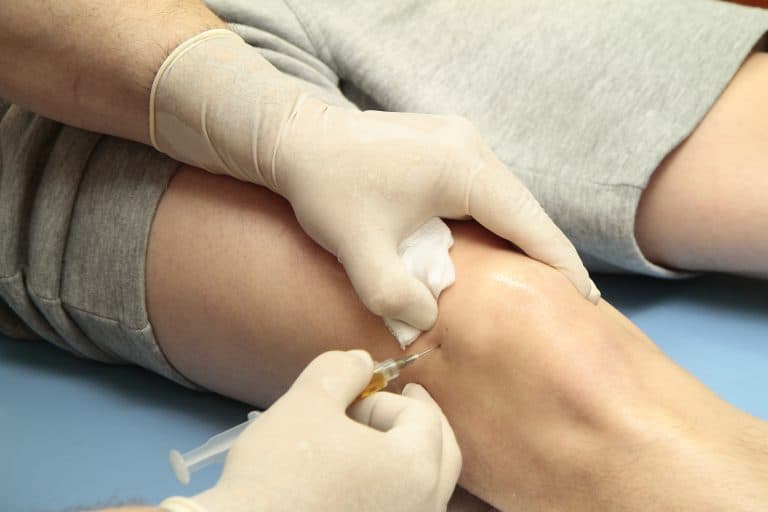
Diagnosing a Bankart lesion can be challenging. Standard X-rays often can’t reveal soft tissue tears, and regular MRI scans may miss subtle injuries to the labrum. That’s where MR arthrography comes in—a special MRI technique in which a contrast dye is injected into the shoulder joint before the scan. This dye outlines the labrum and ligaments , making it much easier to spot tears.
MR arthrography is now considered the “gold standard” for detecting Bankart lesions and helps doctors plan the most effective treatment .
Free non-medical discussion
Not sure what to do next?
Information only · No medical advice or diagnosis.
Treatment Options: Arthroscopic Versus Open Surgery
When it comes to fixing a Bankart lesion, surgeons usually choose between arthroscopic (minimally invasive) and open (traditional) surgery.
Arthroscopic surgery uses tiny incisions and a small camera, allowing the surgeon to repair the labrum from within the joint. This technique is less invasive, usually results in less pain, and often provides a quicker recovery. Open surgery, which involves a larger incision, may be needed for more complex or recurrent injuries.
Both approaches aim to reattach the torn labrum and tighten the stretched ligaments , restoring the shoulder’s stability. The best choice depends on factors such as the patient’s age, activity level, and the severity of the injury . Studies generally show that arthroscopic surgery provides excellent results for most people, with open surgery reserved for select cases.
After successful repair, most patients regain strength and stability, with low rates of future instability.

Why Shoulder Biomechanics Matter
To appreciate why these repair techniques are effective, it’s helpful to understand how the shoulder maintains its stability. The labrum and inferior glenohumeral ligament act together like a safety harness, holding the upper arm bone securely in the socket.
A torn labrum loosens this system and makes the shoulder unreliable. Biomechanical studies evaluate how different repair methods restore the joint’s strength and prevent future dislocations. By using these insights, surgeons can choose the techniques most likely to return the shoulder to its full function and resilience.
A Real-Life Example
Imagine a young athlete who dislocates their shoulder during a game. Even after rest and physical therapy, the shoulder still feels unstable. An MR arthrogram reveals a Bankart lesion—a tear in the front of the labrum. A biomechanical assessment shows that the ligaments no longer fully support the joint.
Based on these findings, the doctor recommends arthroscopic surgery to repair the tear and tighten the ligaments. After the procedure, the athlete follows a personalized rehab plan to regain strength and mobility. This scenario shows how combining advanced imaging with a sound understanding of shoulder mechanics leads to the best possible treatment and a quicker, safer return to activity.
Looking Ahead: The Future of Bankart Lesion Care
Accurate diagnosis and treatment of Bankart lesions rely on advanced imaging and a clear grasp of shoulder biomechanics . MR arthrography lets doctors pinpoint labral tears that might otherwise go unnoticed, and biomechanical studies guide the most effective repairs.
These advances allow for customized treatment plans that restore stability and function for each patient. As technology and research continue to move forward, patients can look forward to even better outcomes and faster recoveries from Bankart injuries .
References
Lasanianos, N. G., & Panteli, M. (2014). Bankart Lesions and Bankart Variable Lesions. In (pp. 37-40). Springer London. https://doi.org/10.1007/978-1-4471-6572-9_9
Weisberg, Z., Cole, W. W., Rumps, M. V., Vopat, B. G., & Mulcahey, M. K. (2024). Bony Bankart Lesion. JBJS Reviews, 12(5). https://doi.org/10.2106/jbjs.rvw.23.00200
Bondar, K., Damodar, D., Schiller, N. C., McCormick, J. R., Condron, N. B., Verma, N. N., & Cole, B. J. (2021). The 50 Most-Cited Papers on Bankart Lesions. Arthroscopy, Sports Medicine, and Rehabilitation, 3(3), e881-e891. https://doi.org/10.1016/j.asmr.2021.03.001
Legal & Medical Disclaimer
This article is written by an independent contributor and reflects their own views and experience, not necessarily those of London Cartilage Clinic. It is provided for general information and education only and does not constitute medical advice, diagnosis, or treatment.
Always seek personalised advice from a qualified healthcare professional before making decisions about your health. London Cartilage Clinic accepts no responsibility for errors, omissions, third-party content, or any loss, damage, or injury arising from reliance on this material.
If you believe this article contains inaccurate or infringing content, please contact us at [email protected].
London Cartilage Clinic
Modern treatments, designed for lasting knee outcomes
Every treatment plan is selected to help you return to the quality of life you deserve. Our team combines up-to-date techniques with consultant-led decision making across cartilage repair, regeneration and replacement.
What your journey can look like
Step 01
Consultant-Led Assessment
Symptoms, imaging and goals reviewed in one structured appointment.
Step 02
Personalised Treatment Plan
A clear route chosen from repair, regeneration or replacement options.
Step 03
Precision Delivery
Modern techniques and specialist equipment matched to your diagnosis.
Step 04
Long-Term Knee Health
Follow-up guidance focused on durable function and quality of life.
Will the Arthrosamid work for me
PAAG-8+ Questionnaire
A bright, structured entry point for patients exploring Arthrosamid. The questionnaire helps frame suitability, expectations, and 24-month clinical benefit discussion before a fuller consultant-led review.
Designed for shared decision-making. It does not replace specialist consultation, examination, imaging review, or formal medical advice.