
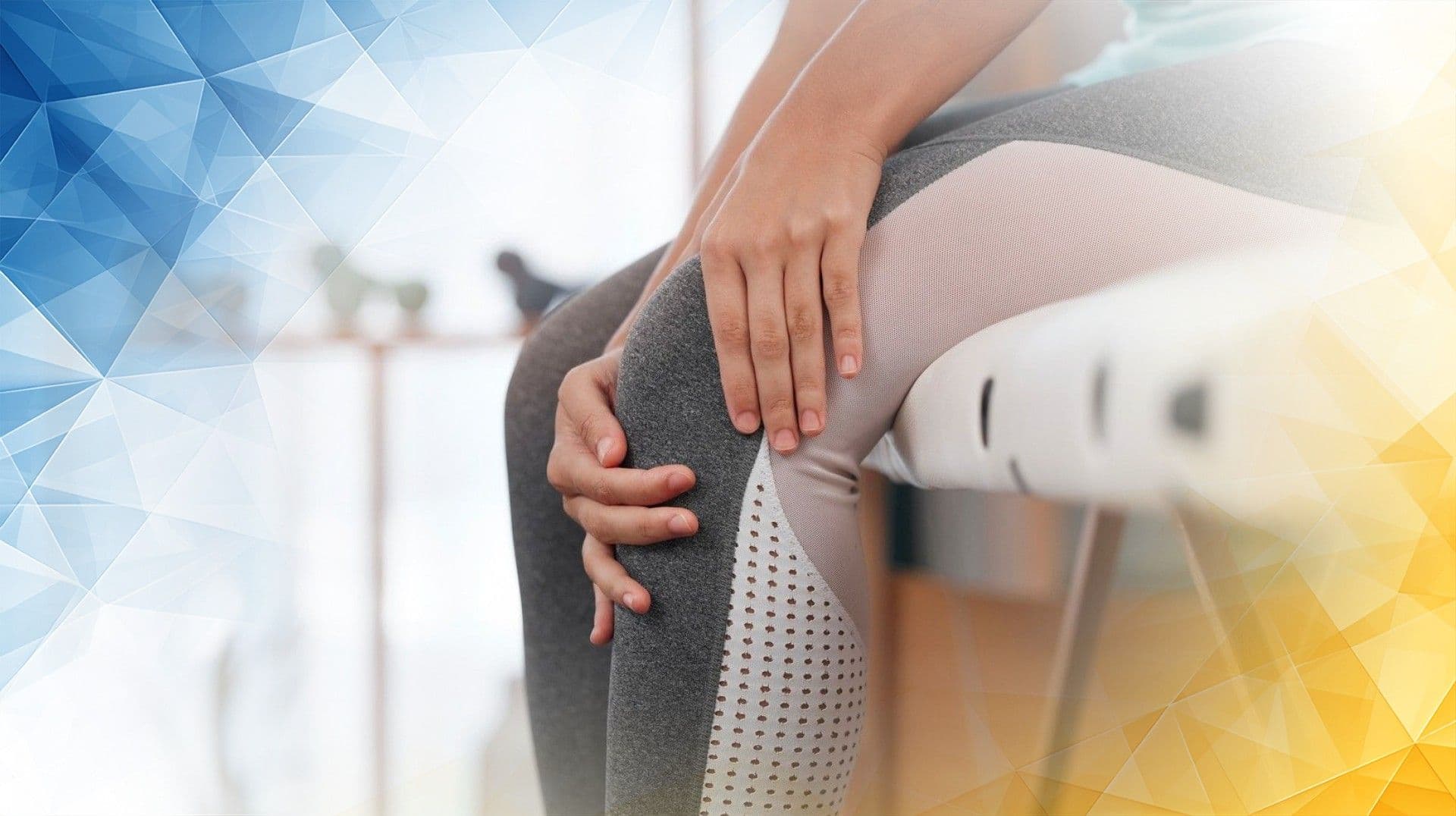
Personalizing the Path to Healing: A Data-Informed Approach to Knee Cartilage Damage Recovery and Rehabilitation
Introduction: Understanding Knee Cartilage Damage and Recovery
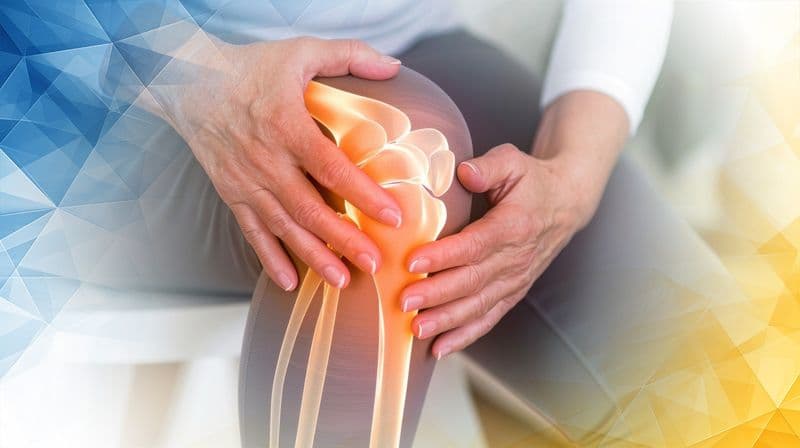
Knee cartilage damage is surprisingly common and can have a major impact on how you move and feel. Cartilage is the slippery, rubber-like tissue that lines your knee joint , allowing your bones to move smoothly and absorb shocks. Unfortunately, this tissue doesn’t heal easily on its own, which means recovery is often a careful and sometimes lengthy process. Knowing what to expect, including how long healing might take, can help both patients and doctors create more effective treatment plans. In this article, we’ll discuss why recovery times can vary widely and how a personalized approach to rehabilitation can make a difference. We’ll also look at what current research tells us about how to navigate the journey back to better knee health .
Why Recovery Time Matters: The Impact of Knee Cartilage Damage
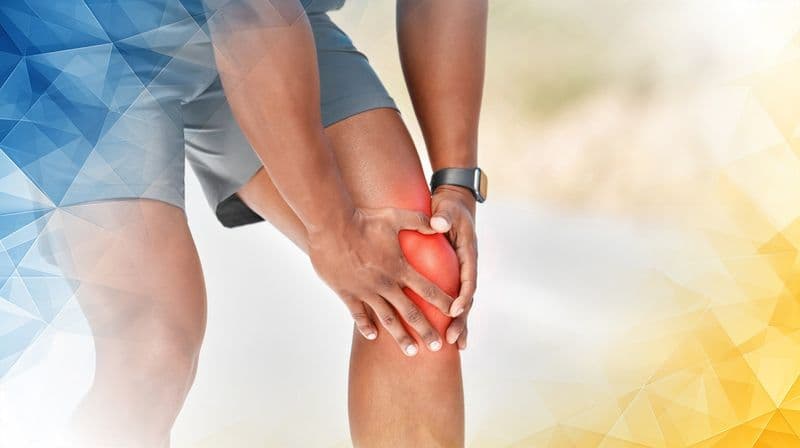
Understanding recovery time is about much more than just managing expectations—it influences the entire healing journey. Damaged knee cartilage often brings pain, swelling, and makes movement harder. Since cartilage cushions the bones in your knee, any damage increases friction between them, raising the risk of long-term issues like osteoarthritis. Knowing how long recovery takes helps doctors choose the right treatments—be it physical therapy, surgery, or a combination—and helps patients know when it’s safe to return to daily activities or sports. Recovery is slow because of cartilage’s limited self-healing ability, so understanding the process underscores why care must be tailored to each patient. Research emphasizes this point: individuals with existing knee issues, like osteoarthritis , may need longer recovery periods even if superficial signs appear similar to those without such conditions (Esculier et al., 2019).
Free non-medical discussion
Not sure what to do next?
Information only · No medical advice or diagnosis.
What Influences Recovery Time: From Injury to Healing
There’s no single answer to how long knee cartilage takes to heal, because recovery depends on several factors. Age, how severe the injury is, where the cartilage is damaged, overall health, and the chosen treatments all play a role. Healing generally starts with inflammation to clear damaged cells, then moves on to the slow rebuilding and strengthening of the cartilage . Younger people or those with smaller injuries tend to recover faster, while older adults or those with more extensive damage may face a longer healing process. Treatment options like physical therapy, controlled exercise, and balanced nutrition can support the body’s natural repair efforts and maintain joint stability. By understanding each patient’s unique situation—including the scale of damage and their body’s response—doctors can better predict recovery times and develop more accurate, effective plans.

The Importance of Personalized Rehabilitation
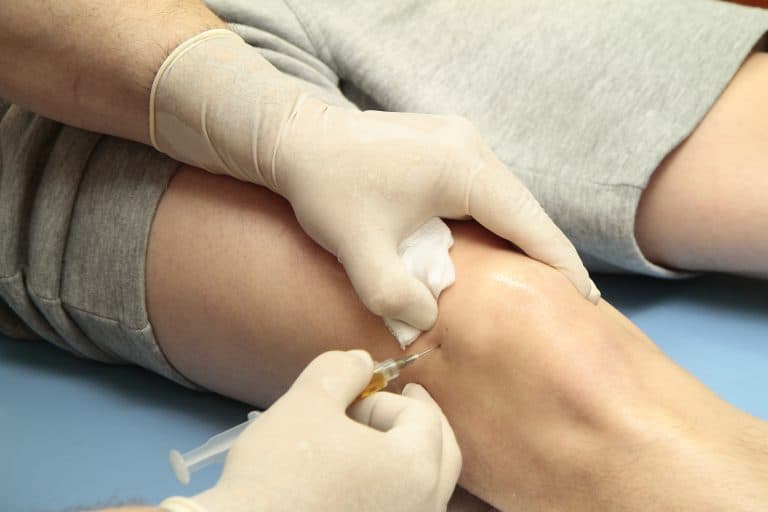
No two knee injuries are exactly the same, which is why a personalized rehabilitation plan works better than a generic approach. Personalization means designing a recovery program tailored to your injury , activity level, lifestyle, and goals. For instance, a physical therapist may create exercises that gently strengthen knee-supporting muscles without putting too much stress on the healing cartilage. Nutrition—providing the right vitamins and minerals—can also play a key part in supporting tissue repair . With a variety of surgical and non-surgical options available, it’s crucial to pinpoint which treatment (or combination) is best for you. Adjusting your rehab program as you progress, based on frequent check-ins and updated assessments, helps ensure a smoother recovery with better long-term results. Personalized care means you’re not just following a formula—you’re getting a plan that adapts as you heal .
Looking Ahead: Future Directions in Knee Cartilage Recovery
To sum up, understanding what affects knee cartilage recovery —and using individualized rehabilitation strategies —is at the core of successful healing. New research and medical technologies continue to improve the outlook for those with cartilage injuries . Exciting advancements like regenerative medicine and stem cell therapies are making it possible to encourage actual cartilage regrowth , offering hope for even more complete recoveries. Improved imaging and monitoring tools also help doctors provide ultra-precise, responsive care. As science and technology advance, combining tried-and-true rehabilitation methods with innovative therapies will help people get back to their active lives quicker, and lower their risk of future knee problems .
References
Wisser, A., Lapper, A., Roemer, F. W., Fuerst, D., Maschek, S., Wirth, W., Duda, G. N., & Eckstein, F. (2020). Longitudinal change in knee cartilage thickness and function in subjects with and without MRI-diagnosed cartilage damage. CARTILAGE, 13(1_suppl), 685S-693S. https://doi.org/10.1177/1947603520980157
Esculier, J. F., Jarrett, M., Krowchuk, N. M., Rauscher, A., Wiggermann, V., Taunton, J., Wilson, D. R., Gatti, A. A., & Hunt, M. A. (2019). Cartilage recovery in runners with and without knee osteoarthritis: A pilot study. The Knee, 26(5), 1049-1057. https://doi.org/10.1016/j.knee.2019.07.011
Moyad, T. F. (2010). Cartilage injuries in the adult knee. CARTILAGE, 2(3), 226-236. https://doi.org/10.1177/1947603510383973
Legal & Medical Disclaimer
This article is written by an independent contributor and reflects their own views and experience, not necessarily those of London Cartilage Clinic. It is provided for general information and education only and does not constitute medical advice, diagnosis, or treatment.
Always seek personalised advice from a qualified healthcare professional before making decisions about your health. London Cartilage Clinic accepts no responsibility for errors, omissions, third-party content, or any loss, damage, or injury arising from reliance on this material.
If you believe this article contains inaccurate or infringing content, please contact us at [email protected].
London Cartilage Clinic
Modern treatments, designed for lasting knee outcomes
Every treatment plan is selected to help you return to the quality of life you deserve. Our team combines up-to-date techniques with consultant-led decision making across cartilage repair, regeneration and replacement.
What your journey can look like
Step 01
Consultant-Led Assessment
Symptoms, imaging and goals reviewed in one structured appointment.
Step 02
Personalised Treatment Plan
A clear route chosen from repair, regeneration or replacement options.
Step 03
Precision Delivery
Modern techniques and specialist equipment matched to your diagnosis.
Step 04
Long-Term Knee Health
Follow-up guidance focused on durable function and quality of life.
Will the Arthrosamid work for me
PAAG-8+ Questionnaire
A bright, structured entry point for patients exploring Arthrosamid. The questionnaire helps frame suitability, expectations, and 24-month clinical benefit discussion before a fuller consultant-led review.
Designed for shared decision-making. It does not replace specialist consultation, examination, imaging review, or formal medical advice.