

Partial Dislocation of Kneecap: Understanding and Managing the Injury
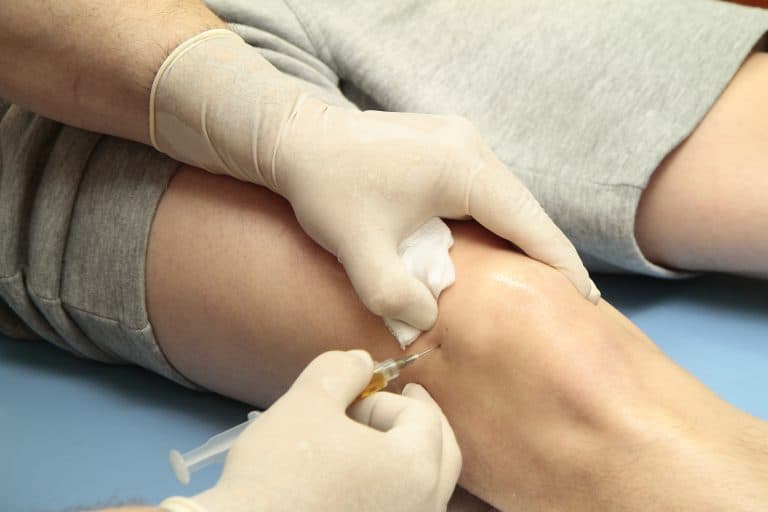
The partial dislocation of the kneecap, or patellar subluxation, is a prevalent knee injury, particularly in athletes. This condition occurs when the kneecap moves out of its normal position, often leading to pain and instability in the knee. Understanding the causes, symptoms, and treatment options is crucial for effective management and prevention of this injury.
Causes and Risk Factors for Partial Dislocation
Several factors contribute to the partial dislocation of the kneecap, including sudden directional changes while moving, direct impact, structural abnormalities, and muscle imbalances. Understanding these risk factors is vital for prevention and targeted treatment.
Symptoms and Diagnosis
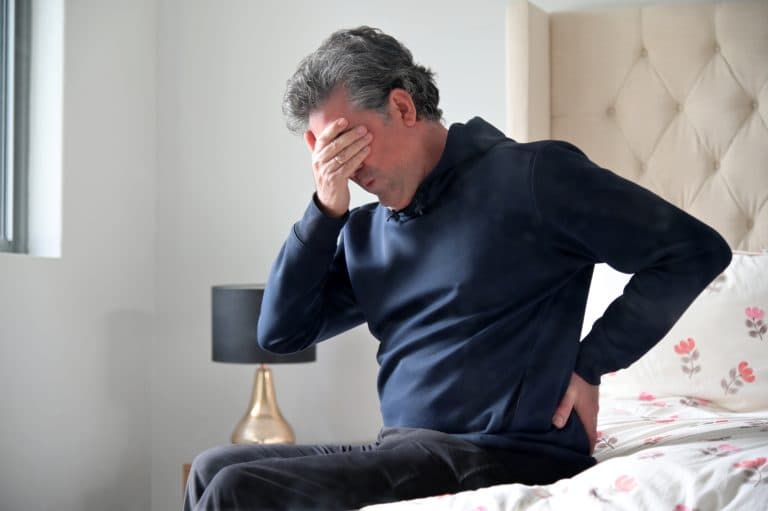
Symptoms of a partially dislocated kneecap include pain, swelling, a feeling of the knee giving way, and difficulty moving the knee. Diagnosis typically involves a physical examination, medical history review, and imaging tests like X-rays or MRIs.
Treatment Options and Recovery
Treatment for patellar subluxation ranges from conservative methods like physical therapy, which focuses on strengthening and stabilizing the knee, to surgical options in severe cases. Recovery time varies, with emphasis on rehabilitation to restore full function and prevent recurrence.
Frequently Asked Questions
- Preventive measures include strengthening exercises for the leg and hip muscles, practicing proper sports techniques, and using supportive gear if necessary.
- Immediate measures include rest, ice, compression, and elevation (RICE) of the injured knee, followed by a consultation with a healthcare professional for a proper diagnosis and treatment plan.
Legal & Medical Disclaimer
This article is written by an independent contributor and reflects their own views and experience, not necessarily those of London Cartilage Clinic. It is provided for general information and education only and does not constitute medical advice, diagnosis, or treatment.
Always seek personalised advice from a qualified healthcare professional before making decisions about your health. London Cartilage Clinic accepts no responsibility for errors, omissions, third-party content, or any loss, damage, or injury arising from reliance on this material.
If you believe this article contains inaccurate or infringing content, please contact us at [email protected].
London Cartilage Clinic
Modern treatments, designed for lasting knee outcomes
Every treatment plan is selected to help you return to the quality of life you deserve. Our team combines up-to-date techniques with consultant-led decision making across cartilage repair, regeneration and replacement.
What your journey can look like
Step 01
Consultant-Led Assessment
Symptoms, imaging and goals reviewed in one structured appointment.
Step 02
Personalised Treatment Plan
A clear route chosen from repair, regeneration or replacement options.
Step 03
Precision Delivery
Modern techniques and specialist equipment matched to your diagnosis.
Step 04
Long-Term Knee Health
Follow-up guidance focused on durable function and quality of life.
Will the Arthrosamid work for me
PAAG-8+ Questionnaire
A bright, structured entry point for patients exploring Arthrosamid. The questionnaire helps frame suitability, expectations, and 24-month clinical benefit discussion before a fuller consultant-led review.
Designed for shared decision-making. It does not replace specialist consultation, examination, imaging review, or formal medical advice.