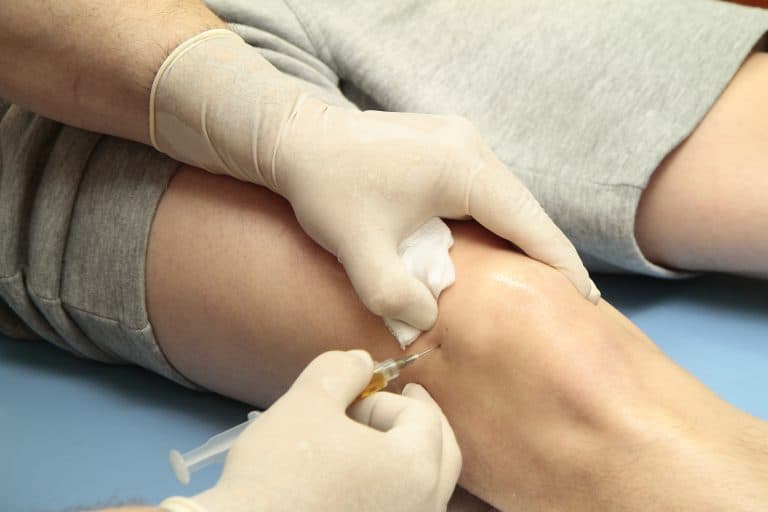



PAAG Injections for Knee Osteoarthritis: A “Safe as Houses” Treatment with Low Complication Rates
Knee osteoarthritis is a common and often painful condition that can significantly impact your quality of life. Fortunately, polyacrylamide gel (PAAG) injections are emerging as a highly effective and exceptionally safe treatment option. When carried out in specialist clinics, these injections provide meaningful relief with an impressively low risk of complications—making them, quite literally, “safe as houses.” In this article, we’ll dive into why PAAG injections are so dependable, covering the meticulous clinical protocols, thoughtful patient selection, and attentive aftercare that all contribute to excellent outcomes. Recent studies show that PAAG offers lasting improvement in knee osteoarthritis symptoms, especially in older adults with less advanced disease and no diabetes.
Why Clinical Protocols Matter for Safety
The remarkable safety of PAAG injections isn’t accidental—it stems from the rigorous protocols followed by experienced clinics. Infection control is paramount. Clinics employ strict sterilization methods and sometimes use preventative antibiotics, dramatically reducing infection risks. Doctors also use ultrasound guidance to precisely place the gel inside the knee joint, ensuring the injection is both safe and effective.
Choosing the right candidates for PAAG injections is just as important. Not everyone with knee osteoarthritis will benefit equally. Specialists evaluate factors like age, the severity of osteoarthritis (using the Kellgren and Lawrence grading system), and the presence of other health conditions, such as diabetes, which can influence recovery. Careful selection of patients means treatment is targeted to those most likely to benefit while keeping complications rare. Research highlights that older adults with lower OA grades, without diabetes , and those with both knees affected often see the most improvement.
Gentle Aftercare Supports Recovery and Comfort
Quality care continues after the injection itself. Proper aftercare is key to a smooth recovery and optimal results. Most patients are encouraged to rest for a day and avoid vigorous activity for several days after treatment. Simple measures like applying ice and taking paracetamol can help relieve any mild swelling or discomfort.
Clinics also monitor for joint swelling , known as effusion, managing it early to avoid any complications. Regular follow-up appointments—typically at six weeks, six months, one year, and two years—allow doctors to track recovery, address concerns as they arise, and provide reassurance. This structured support not only helps patients feel confident but also encourages adherence to aftercare advice, maximizing long-term benefits.
What the Research Shows
The safety and effectiveness of PAAG injections are well-supported by research. Studies tracking patients for up to two years have found clear improvements in both pain and knee function . These gains are measured using established scoring systems like the Visual Analogue Score (VAS), Oxford Knee Score (OKS), and Lysholm Knee Score—all indicating substantial relief and better mobility after treatment.
Adverse events with PAAG injections are rare. In one large study tracking 314 knees (269 patients) over two years, only 49 ultimately needed total knee replacement during that period, suggesting the majority enjoyed meaningful and lasting relief from the injections alone. For many people with knee osteoarthritis , PAAG offers a reliable and far less invasive alternative to surgery.
In Summary: A Trusted, “Safe as Houses” Choice
In the end, the outstanding safety of PAAG injections comes down to careful patient selection, strict clinical procedures, and attentive aftercare. These combined efforts keep complications low and ensure lasting relief for people with knee osteoarthritis . If you’re looking for a non-surgical solution to manage knee pain and improve mobility, PAAG injections truly stand out as a “safe as houses” option—trusted by both doctors and patients alike.
References
Gao, H. C. K., Akhtar, M., Creedon, C., Nar, Ö. O., Verma, T., & Lee, P. Y. F. (2025). Polyacrylamide hydrogel injections in knee osteoarthritis: A PROMs-based 24 month cohort study. Journal of Clinical Orthopaedics and Trauma. https://doi.org/10.1016/j.jcot.2025.103136
Legal & Medical Disclaimer
This article is written by an independent contributor and reflects their own views and experience, not necessarily those of London Cartilage Clinic. It is provided for general information and education only and does not constitute medical advice, diagnosis, or treatment.
Always seek personalised advice from a qualified healthcare professional before making decisions about your health. London Cartilage Clinic accepts no responsibility for errors, omissions, third-party content, or any loss, damage, or injury arising from reliance on this material.
If you believe this article contains inaccurate or infringing content, please contact us at [email protected].
London Cartilage Clinic
Modern treatments, designed for lasting knee outcomes
Every treatment plan is selected to help you return to the quality of life you deserve. Our team combines up-to-date techniques with consultant-led decision making across cartilage repair, regeneration and replacement.
What your journey can look like
Step 01
Consultant-Led Assessment
Symptoms, imaging and goals reviewed in one structured appointment.
Step 02
Personalised Treatment Plan
A clear route chosen from repair, regeneration or replacement options.
Step 03
Precision Delivery
Modern techniques and specialist equipment matched to your diagnosis.
Step 04
Long-Term Knee Health
Follow-up guidance focused on durable function and quality of life.
Will the Arthrosamid work for me
PAAG-8+ Questionnaire
A bright, structured entry point for patients exploring Arthrosamid. The questionnaire helps frame suitability, expectations, and 24-month clinical benefit discussion before a fuller consultant-led review.
Designed for shared decision-making. It does not replace specialist consultation, examination, imaging review, or formal medical advice.