


Optimising Knee Health: How the Posterior Cruciate Ligament Protects Your Cartilage
Introduction
The knee is a remarkable joint, enabling us to walk, run, and jump with confidence. At the core of its stability is the posterior cruciate ligament (PCL), a strong band of tissue that keeps your shin bone (tibia) from sliding too far backward beneath the thigh bone (femur). Keeping your PCL healthy isn’t just about preventing injuries —it's also key to protecting the cartilage that cushions your knee and allows for smooth, pain-free movement.
In this article, we’ll take a closer look at why the PCL is so important for knee health . You’ll discover how the knee is built, what goes wrong when the PCL is injured, and what treatments are available to safeguard both your ligament and your cartilage. Whether you’re a healthcare professional or simply want to keep your knees strong for the long haul, this overview offers practical insights for lasting joint health .
Understanding the Knee: The Role of the PCL
To understand why the PCL is so vital, let’s start with the basics of knee anatomy . The knee joins the thigh bone (femur) to the shin bone (tibia), cushioned by cartilage and supported by rubbery menisci that absorb shock. Among the knee’s four main ligaments, the PCL sits at the back of the joint, quietly working to hold things together.
Picture the PCL as a sturdy rope anchoring your tibia to your femur. Its job is to prevent the tibia from moving backward, especially when you bend your knee . This stabilizing action helps distribute pressure evenly across the cartilage . If the PCL weakens or is damaged, uneven force can wear away the cartilage faster, eventually leading to pain and arthritis. A healthy PCL keeps your knee aligned and shields your cartilage from the stress of abnormal movement.
Free non-medical discussion
Not sure what to do next?
Information only · No medical advice or diagnosis.
What Happens When the PCL Is Damaged?
PCL injuries can happen in sports, during car accidents, or from unexpected falls. When the ligament tears or stretches, the knee can become unstable. The tibia may slide further backward than it should, disrupting the joint’s natural alignment and placing extra stress on the cartilage .
This instability increases wear and tear on specific areas of cartilage, speeding up the development of osteoarthritis . Research shows that people with PCL injuries are more likely to experience early cartilage degeneration than those with healthy knees. Symptoms commonly include pain, swelling, and a sense that the knee might give way. To make matters trickier, PCL injuries may be harder to diagnose, which can delay treatment and allow joint damage to worsen over time.
When the PCL is injured along with other ligaments or stabilizing structures in the knee , restoring proper movement becomes even more challenging. Even after PCL reconstruction, some patients may still experience abnormal rotation or instability, which increases the risk of long-term joint damage if not addressed carefully.

New Treatments: Protecting the PCL and Cartilage
Thankfully, recent advances have greatly improved our ability to treat PCL injuries and protect knee cartilage . Surgical techniques have become more refined, aiming to restore the PCL’s strength and function with less invasive procedures—often resulting in smaller scars and quicker recoveries.
Rehabilitation is just as important as surgery. Personalized physiotherapy programs, focused on regaining strength and stability without overstressing healing tissues, are considered essential for a successful recovery. Emphasis is often placed on exercises that restore motion, strengthen the quadriceps, and promote a safe return to activity.
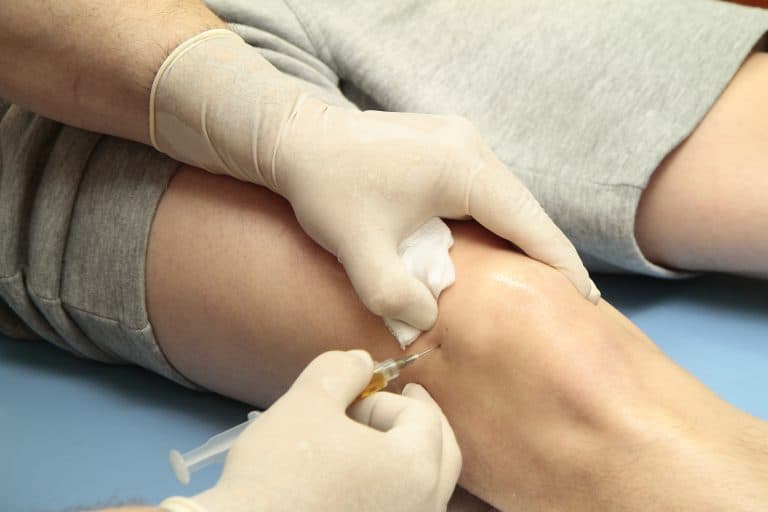
Emerging treatments are also showing promise. Biologic therapies—such as platelet-rich plasma injections and tissue engineering—may help promote both ligament healing and cartilage regeneration . Specialized knee braces are another tool, shown in some studies to reduce damaging pressure on the cartilage during movement, especially when the PCL is weakened.
Most importantly, the best results come from treating the ligament and cartilage together. Addressing both aspects—not just repairing the ligament, but also protecting cartilage health—helps patients return to their favorite activities more quickly and reduces the risk of long-term complications.
Conclusion: Looking Ahead to Stronger Knees
Your posterior cruciate ligament does more than hold your knee together—it plays a crucial role in protecting the cartilage that keeps your joint moving smoothly. Maintaining the integrity of your PCL is a smart way to preserve knee stability and lower your risk of painful cartilage wear or arthritis.
If you experience persistent knee pain or suspect a PCL injury, don’t wait to seek professional advice. Early diagnosis and tailored treatment—whether surgical or nonsurgical—are key to protecting your knee for the future.
By understanding the PCL’s vital role, you can take informed steps to keep your knees strong, healthy, and pain-free for years to come. Investing in your ligament health today is a wise choice for your long-term mobility and wellbeing.
References
Apsingi, S., Nguyen, T., Bull, A. M. J., Unwin, A., Deehan, D. J., & Amis, A. A. (2007). The role of PCL reconstruction in knees with combined PCL and posterolateral corner deficiency. Knee Surgery, Sports Traumatology, Arthroscopy, 16(2), 104-111. https://doi.org/10.1007/s00167-007-0444-3
Welch, T., Keller, T. C. S., Maldonado, R., Metzger, M. F., Mohr, K., & Kvitne, R. S. (2017). The effect of a dynamic PCL brace on patellofemoral compartment pressures in PCL-and PCL/PLC-deficient knees. Journal of Experimental Orthopaedics, 4(1). https://doi.org/10.1186/s40634-017-0085-5
Wilk, K. E., Andrews, J. R., Clancy, W. G., Crockett, H. C., & O'Mara, J. W. (1999). Rehabilitation Programs for the PCL-Injured and Reconstructed Knee. Journal of Sport Rehabilitation, 8(4), 333-361.
Frequently Asked Questions
- The posterior cruciate ligament (PCL) keeps the knee joint stable and aligned, preventing excessive movement that can damage cartilage. A strong PCL ensures even pressure distribution on cartilage, which lowers the risk of pain, arthritis, or degeneration. Protecting your PCL is essential for enduring knee function and long-term joint health.
- Common symptoms include pain, swelling, and a sense that your knee may give way. Early professional assessment is vital to prevent further cartilage wear or instability. At London Cartilage Clinic, Prof Lee offers precise diagnosis and customised treatments, helping patients recover more quickly and protect their future knee health.
- London Cartilage Clinic offers leading-edge care, including minimally invasive surgery, biologic therapies like platelet-rich plasma, and specialist knee bracing. Prof Lee’s expertise ensures comprehensive treatment of both the ligament and cartilage, improving outcomes, reducing scarring, and accelerating patient recovery for a swift, safe return to activity.
- Professor Lee is a renowned expert in cartilage and ligament repair, with extensive experience in complex knee cases. Patients at London Cartilage Clinic benefit from his personalised approach, innovative techniques, and focus on long-term joint health—delivering exceptional results, even for challenging PCL injuries or multi-structure knee damage.
- London Cartilage Clinic prioritises early diagnosis and holistic care for knee pain. Prof Lee’s tailored treatment plans integrate surgery, rehabilitation, and cutting-edge therapies, ensuring patients receive superior outcomes. By addressing both ligament and cartilage health, the clinic helps patients regain their lifestyle and protect knee function for years ahead.
Legal & Medical Disclaimer
This article is written by an independent contributor and reflects their own views and experience, not necessarily those of London Cartilage Clinic. It is provided for general information and education only and does not constitute medical advice, diagnosis, or treatment.
Always seek personalised advice from a qualified healthcare professional before making decisions about your health. London Cartilage Clinic accepts no responsibility for errors, omissions, third-party content, or any loss, damage, or injury arising from reliance on this material.
If you believe this article contains inaccurate or infringing content, please contact us at [email protected].
London Cartilage Clinic
Modern treatments, designed for lasting knee outcomes
Every treatment plan is selected to help you return to the quality of life you deserve. Our team combines up-to-date techniques with consultant-led decision making across cartilage repair, regeneration and replacement.
What your journey can look like
Step 01
Consultant-Led Assessment
Symptoms, imaging and goals reviewed in one structured appointment.
Step 02
Personalised Treatment Plan
A clear route chosen from repair, regeneration or replacement options.
Step 03
Precision Delivery
Modern techniques and specialist equipment matched to your diagnosis.
Step 04
Long-Term Knee Health
Follow-up guidance focused on durable function and quality of life.
Will the Arthrosamid work for me
PAAG-8+ Questionnaire
A bright, structured entry point for patients exploring Arthrosamid. The questionnaire helps frame suitability, expectations, and 24-month clinical benefit discussion before a fuller consultant-led review.
Designed for shared decision-making. It does not replace specialist consultation, examination, imaging review, or formal medical advice.