

Natural Resilience: Unraveling the Body’s Intrinsic Ability to Heal Meniscus Tears
Introduction
Meniscus tears are among the most common knee injuries —not just for athletes, but for anyone who bends, twists, or puts regular strain on their knees. The meniscus is a C-shaped piece of cartilage that cushions and stabilizes the knee joint , absorbing shock and helping you move smoothly. A torn meniscus can mean pain, swelling, and trouble getting around. Traditionally, surgery has been the go-to solution. However, new research suggests that, in some cases, your body has the power to heal these injuries on its own.
In this article, we’ll explore the remarkable ways your meniscus can recover. We'll break down what the meniscus does, how natural healing works, and what these discoveries mean for treating meniscus tears .
Understanding the Meniscus: Structure and Function
The meniscus is a tough, rubbery cartilage sitting between your thigh bone (femur) and shin bone (tibia). Each knee has two menisci—the medial (inside) and lateral (outside)—that act as soft cushions to absorb impact and distribute weight evenly across your knee.
A crucial detail about the meniscus is its uneven blood supply. The outer edge, called the “red zone,” is rich with blood vessels, while the inner part, the “white zone,” has very little blood flow. This matters because blood brings healing nutrients and cells. Tears in the red zone have a much better chance of healing on their own, while those in the white zone are less likely to repair naturally.
The Science of Meniscus Healing
When a meniscus tear occurs in the red zone, the body’s healing response kicks in. Blood vessels bring in oxygen , nutrients, and specialized cells to help repair the damage. Immune cells arrive and trigger inflammation—which, despite its bad reputation, is the body’s way of starting repairs. They release proteins called growth factors, encouraging meniscus cells to multiply and build new tissue.
However, not all meniscus tears heal the same way. Younger people generally recover faster than older adults or those with injuries from long-term wear and tear. The likelihood of natural healing also depends on the stability and type of tear—factors doctors consider when deciding on treatment.
Excitingly, recent research has discovered ways to stimulate healing even in the poorly vascularized white zone. For example, scientists have shown that applying certain growth factors can recruit the body’s own stem cells to the injury site, laying the groundwork for new tissue to form. These discoveries hint at future therapies that might help more people heal without surgery.
Another emerging trend is the use of in-office needle arthroscopy —a minimally invasive procedure that allows doctors to view healing meniscus tissue directly, providing more accurate results than MRI in some cases.
Why Blood Flow Matters
Blood flow is at the heart of meniscus healing . In the red zone, tiny blood vessels deliver key players—immune cells, nutrients, and growth factors like TGF-β and VEGF. These support meniscus cells in creating new collagen and rebuilding cartilage.
But in the white zone, the lack of blood means nutrients and cells must slowly diffuse into the area, making healing much less efficient. This can lead to partial repair or scar tissue rather than healthy meniscus cartilage .
To address this, scientists are looking for ways to guide healing in the white zone. By using controlled doses of growth factors, researchers have found they can attract stem cells to the tear and help them develop into cartilage-producing cells. Although these techniques are still being tested, they offer hope for more complete natural repairs in the future.
Imaging plays a vital role in monitoring healing. While MRI is often used, needle arthroscopy can sometimes give a clearer, direct view of how well the meniscus is mending after treatment.
Free non-medical discussion
Not sure what to do next?
Information only · No medical advice or diagnosis.
What Influences Natural Meniscus Repair?
Several factors determine whether a meniscus tear will heal on its own:
- Location of the Tear: Tears in the outer red zone are more likely to heal due to better blood supply.
- Age: Younger individuals generally heal more quickly and completely.
- Activity and Rehabilitation: Gentle movement and targeted physical therapy can boost circulation and support healing.
- Inflammation Levels: Initial inflammation is needed for repair, but chronic, unchecked inflammation can actually slow or prevent healing.
By understanding these factors, doctors can create more personalized care plans, optimizing chances for the meniscus to recover on its own. For instance, current evidence suggests that certain stable tears, particularly in the outer edge of the meniscus, may safely be left to heal with minimal intervention.

Natural Healing Versus Surgery
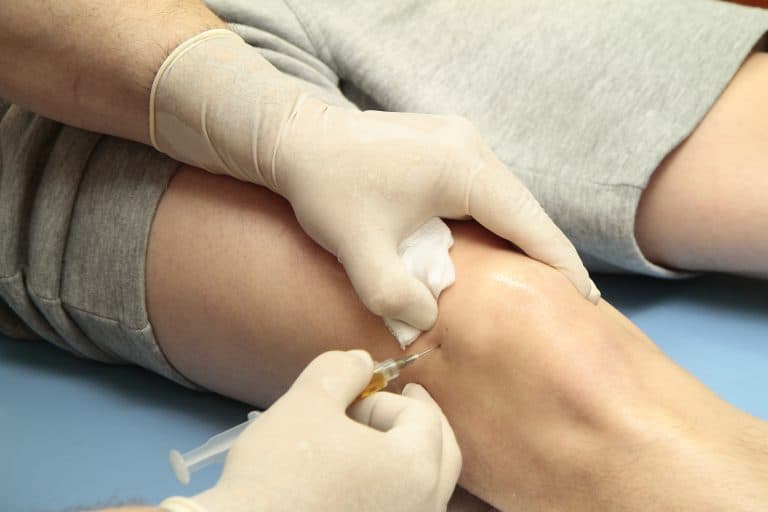
Surgery can effectively repair or remove damaged meniscus tissue, but it does come with risks like stiffness or a higher chance of future arthritis. Non-surgical options aim to support your body’s natural healing—through exercises, inflammation management, and occasionally newer treatments like platelet-rich plasma injections to stimulate repair.
Not all tears require surgical intervention. Some can heal with rest and rehab, depending on their type, location, and impact on knee stability . More complex or larger tears, or those causing persistent mechanical symptoms, are more likely to need surgery. The challenge is finding the right balance: encouraging natural healing whenever possible while recommending surgery when truly needed.
Growing evidence shows that in-office needle arthroscopy is a promising tool for checking the progress of meniscus healing , sometimes revealing positive results that traditional imaging might miss.
Looking Ahead: Clinical Implications and Research
Understanding how the meniscus can heal naturally is changing how doctors approach knee injuries. Personalized treatment plans that consider the type and location of the tear, patient age, and lifestyle are becoming the norm.
Research is also opening new doors. Techniques that encourage blood vessel growth or carefully control inflammation could boost healing in areas where it was once thought impossible. Studies into stem cell recruitment and targeted growth factor therapies are especially promising, raising the possibility that even avascular (white zone) tears could one day heal without surgery.
Finally, innovative tools like in-office needle arthroscopy could become invaluable for tracking recovery, leading to better, more tailored treatments.
Ongoing research will continue to unveil the body’s healing capabilities, potentially transforming knee care for the better and leading to less invasive, more effective solutions for meniscus injuries .
Conclusion
The meniscus has an impressive—though sometimes limited—ability to heal itself through a combination of blood flow, inflammation, and cell growth. By better understanding these natural recovery processes, we can create gentler, more personalized treatment plans that harness the body’s innate repair systems. While surgery will always play a role, especially in complex cases, supporting natural healing offers hope for faster recovery and healthier knees in the long run. As research progresses, we’re learning just how resilient our bodies can be—sometimes, with the right support, they really can heal themselves.
References
Shelbourne, K. D., & Gray, T. (2012). Meniscus tears that can be left in situ, with or without trephination or synovial abrasion to stimulate healing. Sports Medicine and Arthroscopy Review, 20(2), 62-67. https://doi.org/10.1097/jsa.0b013e318243265b
Tarafder, S., Gulko, J., Sim, K. H., Yang, J., Cook, J. L., & Lee, C. H. (2018). Engineered healing of avascular meniscus tears by stem cell recruitment. Scientific Reports, 8(1), . https://doi.org/10.1038/s41598-018-26545-8
DiBartola, A. C., Rogers, A., Kurzweil, P. R., Knopp, M. V., & Flanigan, D. C. (2021). In-office needle arthroscopy can evaluate meniscus tear repair healing as an alternative to magnetic resonance imaging. Arthroscopy, Sports Medicine, and Rehabilitation, 3(6), e1755-e1760. https://doi.org/10.1016/j.asmr.2021.08.003
Legal & Medical Disclaimer
This article is written by an independent contributor and reflects their own views and experience, not necessarily those of London Cartilage Clinic. It is provided for general information and education only and does not constitute medical advice, diagnosis, or treatment.
Always seek personalised advice from a qualified healthcare professional before making decisions about your health. London Cartilage Clinic accepts no responsibility for errors, omissions, third-party content, or any loss, damage, or injury arising from reliance on this material.
If you believe this article contains inaccurate or infringing content, please contact us at [email protected].
London Cartilage Clinic
Modern treatments, designed for lasting knee outcomes
Every treatment plan is selected to help you return to the quality of life you deserve. Our team combines up-to-date techniques with consultant-led decision making across cartilage repair, regeneration and replacement.
What your journey can look like
Step 01
Consultant-Led Assessment
Symptoms, imaging and goals reviewed in one structured appointment.
Step 02
Personalised Treatment Plan
A clear route chosen from repair, regeneration or replacement options.
Step 03
Precision Delivery
Modern techniques and specialist equipment matched to your diagnosis.
Step 04
Long-Term Knee Health
Follow-up guidance focused on durable function and quality of life.
Will the Arthrosamid work for me
PAAG-8+ Questionnaire
A bright, structured entry point for patients exploring Arthrosamid. The questionnaire helps frame suitability, expectations, and 24-month clinical benefit discussion before a fuller consultant-led review.
Designed for shared decision-making. It does not replace specialist consultation, examination, imaging review, or formal medical advice.