


Natural Repair of Knee Cartilage Without Surgery: A Step-by-Step Guide Backed by Research
Knee cartilage damage is a common issue that can make everyday movement painful and frustrating. Whether it’s caused by injury , aging, or conditions like osteoarthritis , damaged cartilage can lead to pain, stiffness, and reduced mobility. Surgery—including procedures like arthroscopy or cartilage grafts—has long been seen as the primary treatment. However, these options carry risks like infection, lengthy recovery times, and sometimes unpredictable outcomes. As a result, more people are searching for natural, non-surgical ways to help their knees heal. In this guide, we’ll explore science-backed methods to support knee cartilage repair and walk you through practical, step-by-step strategies you can try at home.
What Is Knee Cartilage and Can It Heal Naturally?
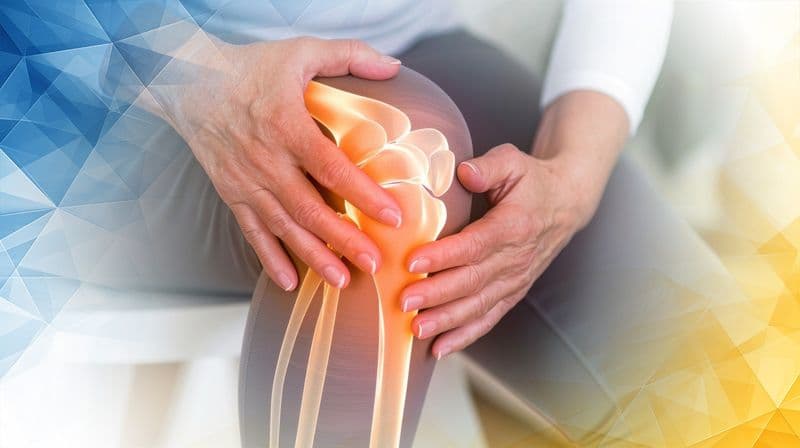
To understand how to heal knee cartilage naturally, it helps to know what cartilage is and why repairing it is challenging. Cartilage is the flexible, smooth tissue that lines the ends of the bones in your knee joint , acting as a cushion and allowing smooth movement.
Unfortunately, cartilage has a poor blood supply, meaning it doesn’t get the nutrients and oxygen necessary for easy healing. Small cartilage injuries might recover with time, but more significant damage often struggles to repair itself.
However, recent research shows that the environment around the cartilage—including the joint fluid and the underlying bone—plays a key role in healing. By supporting these tissues, you may be able to improve the body’s ability to repair cartilage and potentially avoid surgery. Recent studies focus on optimizing the interface between bone and cartilage , and while surgery can prevent further joint deterioration in some cases, many people are interested in natural routes that support healing and function without the risks of an operation.
Nourishing Your Knees: Supplements and Diet for Cartilage Health
One of the simplest ways to support healthy knee cartilage is through nutrition and targeted supplements. Certain nutrients can help maintain and—even to some extent— repair cartilage .
Two popular supplements, glucosamine and chondroitin sulphate, are commonly used to support joint health . They have been shown to help slow cartilage breakdown and decrease inflammation in some people. Omega-3 fatty acids, found in fish oil, have also demonstrated anti-inflammatory properties that can help protect your joints.
Vitamins C and D, along with minerals such as zinc and copper, are vital for your body’s ability to produce collagen—the main protein that makes up cartilage—and promote tissue repair. Scientific reviews suggest that getting enough of these nutrients supports cartilage heal th and can aid natural healing.
On top of supplements, eating a diet packed with colorful fruits and vegetables provides antioxidants that help shield cartilage cells from damage. Together, these nutritional strategies create a strong foundation for cartilage repair and overall knee health.
Moving Towards Recovery: Exercise and Physiotherapy
When your knee is sore, exercise might be the last thing you want to do. However, the right movement is crucial for healing. Strengthening the muscles around your knee —particularly your quadriceps, hamstrings, and calves—can help stabilize your joint, reduce pain, and ease pressure on the damaged cartilage.
Low-impact exercises such as swimming, cycling, or gentle walking are ideal because they keep you active without putting excessive strain on your knee. Working with a physiotherapist can help you design a personalized exercise plan that builds strength and flexibility safely. These programs often focus on muscle strengthening and joint-stabilizing exercises that improve function and comfort.
Equally important is learning which activities to avoid—certain high-impact or twisting motions can worsen cartilage injuries . A thoughtfully structured routine can ease pain, improve mobility, and encourage your body’s natural healing processes—all without surgery. Research shows that people who commit to muscle strengthening and joint protection often see improved outcomes over time and are better able to prevent further joint damage .
The Future of Healing: Regenerative Medicine and Emerging Treatments
Exciting developments in regenerative medicine are offering hope for people seeking natural cartilage repair . Treatments like stem cell therapy and tissue engineering work by harnessing the body’s own healing abilities.
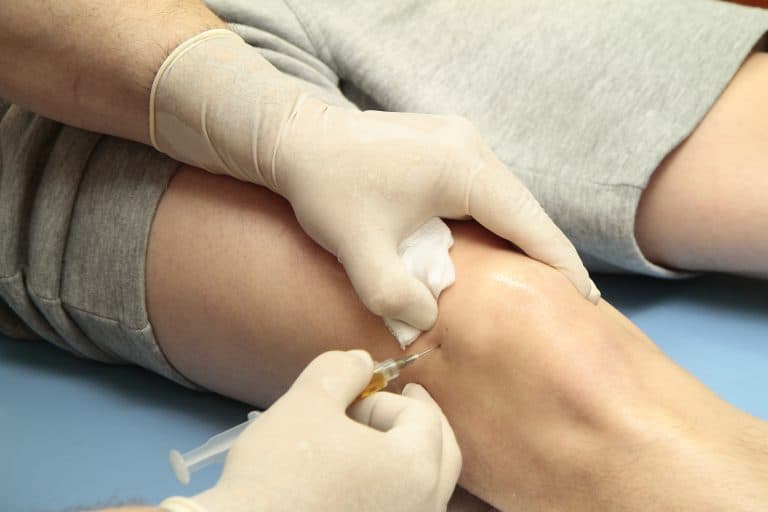
Stem cells —taken from your own bone marrow or fatty tissue—can be processed and injected into the knee , where they have the potential to develop into new cartilage cells and repair damaged tissue. Gene therapy, another innovative approach, aims to boost the body’s natural production of growth factors that encourage cartilage regeneration .
While these advanced treatments are still being studied and may not be widely available yet, early research is promising. As new storage and preservation methods for tissue grafts improve, the chances for better outcomes continue to grow. Although more research is needed, these therapies could help prevent or slow the progression of osteoarthritis and provide longer-lasting relief for those with knee cartilage damage .
In Summary: A Holistic Path to Knee Cartilage Repair
Natural, non-surgical methods for knee cartilage repair are becoming increasingly practical and effective. By combining smart nutrition , targeted exercises, and staying informed about the latest regenerative breakthroughs, you can create a well-rounded plan to support your body's healing.
While surgery remains necessary for severe or advanced cases, many people find that these gentle, natural strategies greatly improve their quality of life and delay—or even avoid—the need for an operation. As research on cartilage heal th continues to evolve, these options will likely become even more accessible, helping you return to an active and pain-free lifestyle.
References
Jungmann, P. M., Gersing, A. S., Baumann, F., Holwein, C., Braun, S., Neumann, J., Zarnowski, J., Hofmann, F. C., Imhoff, A. B., Rummeny, E. J., & Link, T. M. (2018). Cartilage repair surgery prevents progression of knee degeneration. Knee Surgery, Sports Traumatology, Arthroscopy, 27(9), 3001–3013. https://doi.org/10.1007/s00167-018-5321-8
Cook, J. L., & Farr, J. (2012). Cartilage repair in the knee: Part III. The Journal of Knee Surgery, 25(02), 83–84.
Quatman, C. E., Harris, J. D., & Hewett, T. E. (2012). Biomechanical outcomes of cartilage repair of the knee. The Journal of Knee Surgery, 25(03), 197–206. https://doi.org/10.1055/s-0032-1322602
Legal & Medical Disclaimer
This article is written by an independent contributor and reflects their own views and experience, not necessarily those of London Cartilage Clinic. It is provided for general information and education only and does not constitute medical advice, diagnosis, or treatment.
Always seek personalised advice from a qualified healthcare professional before making decisions about your health. London Cartilage Clinic accepts no responsibility for errors, omissions, third-party content, or any loss, damage, or injury arising from reliance on this material.
If you believe this article contains inaccurate or infringing content, please contact us at [email protected].
London Cartilage Clinic
Modern treatments, designed for lasting knee outcomes
Every treatment plan is selected to help you return to the quality of life you deserve. Our team combines up-to-date techniques with consultant-led decision making across cartilage repair, regeneration and replacement.
What your journey can look like
Step 01
Consultant-Led Assessment
Symptoms, imaging and goals reviewed in one structured appointment.
Step 02
Personalised Treatment Plan
A clear route chosen from repair, regeneration or replacement options.
Step 03
Precision Delivery
Modern techniques and specialist equipment matched to your diagnosis.
Step 04
Long-Term Knee Health
Follow-up guidance focused on durable function and quality of life.
Will the Arthrosamid work for me
PAAG-8+ Questionnaire
A bright, structured entry point for patients exploring Arthrosamid. The questionnaire helps frame suitability, expectations, and 24-month clinical benefit discussion before a fuller consultant-led review.
Designed for shared decision-making. It does not replace specialist consultation, examination, imaging review, or formal medical advice.