
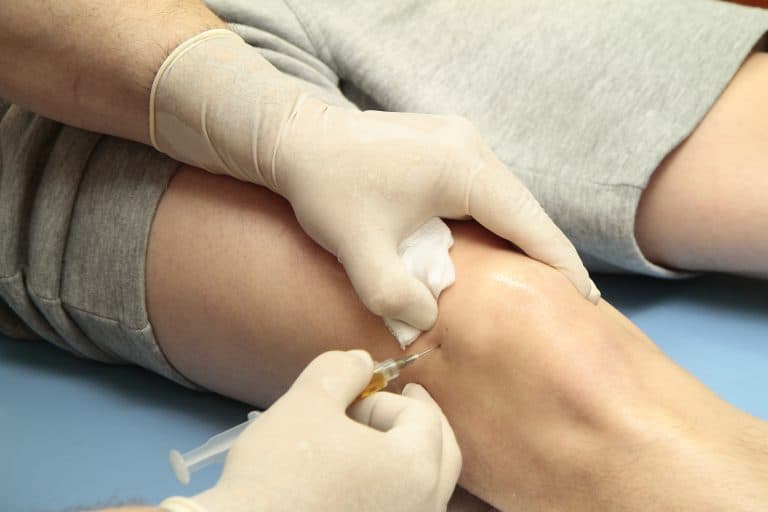


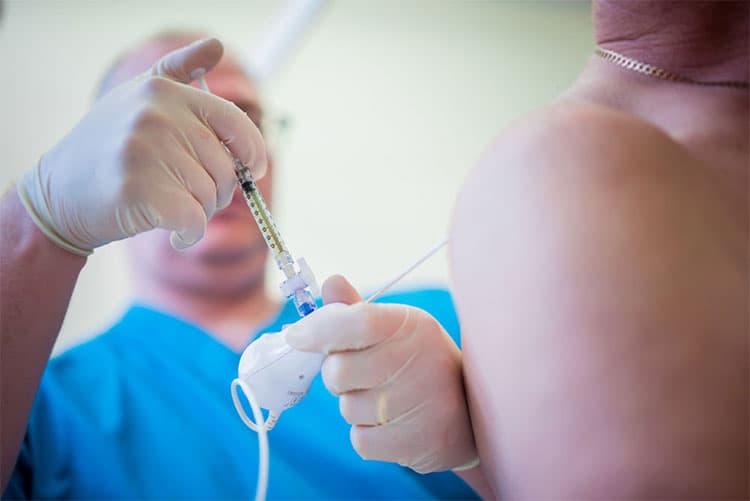
At London Cartilage Clinic, we offer a range of adipose tissue therapies – mFat, uFat, and nFat – each tailored to meet different regenerative medicine needs. These therapies utilise the healing potential of adipose-derived stem cells, with varying degrees of processing and application specificity.
mFat Therapy – Micro-fragmented Adipose Tissue
mFat therapy involves the processing of adipose tissue into micro-fragments. This therapy is beneficial for a broad range of regenerative treatments, offering a balance between efficacy and longevity of results.
uFat Therapy – Ultra-fragmented Adipose Tissue
uFat therapy takes adipose tissue processing a step further, creating ultra-fragmented tissue that retains a higher concentration of mesenchymal stem cells. This makes uFat particularly effective for more precise regenerative applications.
nFat Therapy – Nano-fragmented Adipose Tissue
nFat therapy represents the most refined form of adipose tissue processing, breaking down the tissue to nano-scale. This enhances the surface area for interaction, making nFat a powerful option for intensive regenerative needs, especially in osteoarthritis treatment.
Comparing mFat, uFat, and nFat Therapies
Each therapy has its unique advantages:
- mFat: Ideal for general regenerative purposes with sustained effects.
- uFat: Suited for more precise and delicate regenerative needs.
- nFat: Best for aggressive and targeted therapy, particularly effective in treating osteoarthritis.
Frequently Asked Questions
- The choice depends on your specific condition and treatment goals. mFat offers broader applications, uFat provides precise regeneration, and nFat delivers targeted, potent therapy.
- Recovery times vary depending on the therapy and the individual’s condition. Generally, all therapies have minimal recovery times, with specifics depending on the treatment area.
- Yes, all therapies are safe, using the patient’s own adipose tissue, minimising risks of rejection or adverse reactions. Their effectiveness varies based on the specific application and individual patient needs.
Legal & Medical Disclaimer
This article is written by an independent contributor and reflects their own views and experience, not necessarily those of London Cartilage Clinic. It is provided for general information and education only and does not constitute medical advice, diagnosis, or treatment.
Always seek personalised advice from a qualified healthcare professional before making decisions about your health. London Cartilage Clinic accepts no responsibility for errors, omissions, third-party content, or any loss, damage, or injury arising from reliance on this material.
If you believe this article contains inaccurate or infringing content, please contact us at [email protected].
London Cartilage Clinic
Modern treatments, designed for lasting knee outcomes
Every treatment plan is selected to help you return to the quality of life you deserve. Our team combines up-to-date techniques with consultant-led decision making across cartilage repair, regeneration and replacement.
What your journey can look like
Step 01
Consultant-Led Assessment
Symptoms, imaging and goals reviewed in one structured appointment.
Step 02
Personalised Treatment Plan
A clear route chosen from repair, regeneration or replacement options.
Step 03
Precision Delivery
Modern techniques and specialist equipment matched to your diagnosis.
Step 04
Long-Term Knee Health
Follow-up guidance focused on durable function and quality of life.
Will the Arthrosamid work for me
PAAG-8+ Questionnaire
A bright, structured entry point for patients exploring Arthrosamid. The questionnaire helps frame suitability, expectations, and 24-month clinical benefit discussion before a fuller consultant-led review.
Designed for shared decision-making. It does not replace specialist consultation, examination, imaging review, or formal medical advice.