


Long-Lasting Relief from Knee Osteoarthritis: How a Single Polyacrylamide Hydrogel Injection Can Help for 24 Months
Introduction: Tackling Knee Osteoarthritis Pain for the Long Haul
Knee osteoarthritis (OA) is a common joint condition where the cartilage in the knee gradually wears away, causing pain and stiffness that can make daily activities difficult. Managing this ongoing discomfort can be challenging, as many traditional treatments offer only short-term relief or require repeated procedures.
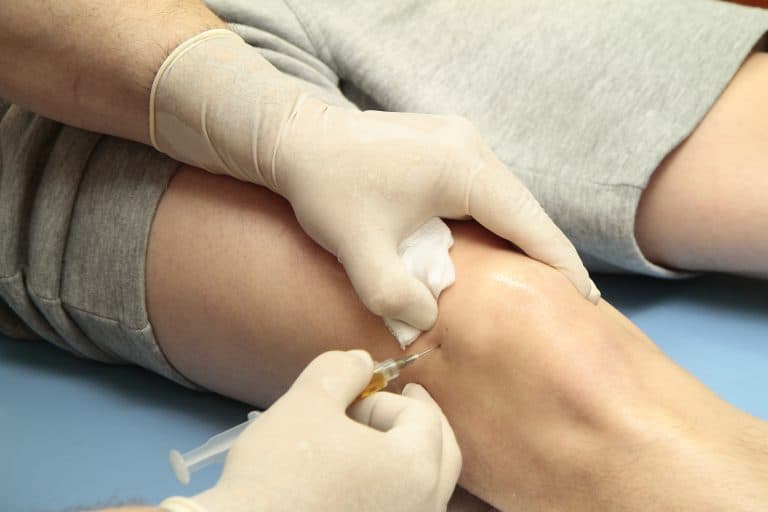
A promising new approach is the use of polyacrylamide hydrogel (PAAG) injections. These injections deliver a gel directly into the knee joint and have been shown to provide relief that can last up to two years after just one treatment. Recent studies using widely accepted tools to measure pain and knee function —like the Visual Analogue Score (VAS), Oxford Knee Score (OKS), and Lysholm score—suggest that PAAG injections offer real, sustained benefits. In this article, we’ll explore how PAAG works, who is most likely to benefit, and what the latest research means for patients seeking long-term relief.
Understanding the Pain-Relief Curve: How Relief Is Measured
Doctors and researchers often talk about the "pain-relief curve"—how a person’s pain level changes over time after treatment. To track these changes accurately, they use several trusted scoring systems:
- Visual Analogue Score (VAS): Patients rate their pain on a scale from 0 (no pain) to 10 (worst pain imaginable).
- Oxford Knee Score (OKS): Measures how well the knee functions and how symptoms impact daily life.
- Lysholm Score: Focuses on the knee ’s stability and function, especially during activities like walking and climbing stairs.
In studies that followed patients for 24 months after a single PAAG injection, these scores showed clear, lasting improvements. Pain levels reported through VAS dropped significantly soon after treatment and remained low throughout the two years. OKS and Lysholm scores also improved, indicating better knee function and reduced discomfort.
An important concept in these studies is the Minimal Clinically Important Difference (MCID)—the smallest change in score that patients actually notice and value. Many patients maintained improvements beyond this threshold for the entire 24-month period, underscoring the meaningful and lasting benefits of PAAG injections .
Who Benefits Most from PAAG Injections?
Not everyone responds the same way to PAAG injections , so it’s important to understand which patients are likely to see the best results. Recent research has identified several factors linked to better outcomes:
- Older adults often experienced the greatest pain relief , possibly due to differences in how the condition progresses or how pain is perceived at different ages.
- Patients with mild or moderate knee OA (a lower Kellgren–Lawrence grade, which measures disease severity on X-rays) had better and more durable improvements. Essentially, those with less advanced joint damage responded best.
- Those without diabetes tended to have more significant and lasting results, suggesting that overall metabolic health influences the effectiveness of the treatment.
- Individuals with OA in both knees (bilateral involvement) were more likely to have sustained relief, possibly due to broader changes in the joint environment.
These insights help doctors tailor PAAG treatment to the people who are likely to benefit most, paving the way for more personalized knee OA care .
What This Means for Patients and Clinicians
The chance to achieve up to two years of pain relief from a single injection is an exciting development in the management of knee osteoarthritis . Long-lasting pain control and improved joint function can have a huge impact on quality of life, helping people stay active and independent. Fewer repeat injections or surgeries could also mean less cost and lower risk.
However, it’s important to recognize the limitations of current research. Many studies so far have not included control groups, making it harder to draw firm conclusions about the treatment’s effectiveness. The exact thresholds for meaningful improvement can differ based on the scoring systems used, and more large-scale, controlled trials are still needed. Researchers are also exploring how PAAG injections might work best alongside other treatments.
Conclusion: A Promising Step Forward in Knee OA Care
A single injection of polyacrylamide hydrogel provides encouraging evidence of long-lasting pain relief and improved knee function —effects that can last up to 24 months. This benefit is most noticeable among older adults, people with milder disease, those without diabetes , and those with both knees affected. By identifying these key patient characteristics, healthcare providers can more effectively target PAAG treatment and offer the best chance at lasting relief.
As research continues, PAAG injections could become a more widely available and personalized option for managing knee osteoarthritis , offering hope for lasting relief from a condition that affects millions.
References
Gao, H. C. K., Akhtar, M., Creedon, C., Nar, Ö. O., Verma, T., & Lee, P. Y. F. (2025). Polyacrylamide hydrogel injections in knee osteoarthritis: A PROMs-based 24 month cohort study. Journal of Clinical Orthopaedics and Trauma. https://doi.org/10.1016/j.jcot.2025.103136
Legal & Medical Disclaimer
This article is written by an independent contributor and reflects their own views and experience, not necessarily those of London Cartilage Clinic. It is provided for general information and education only and does not constitute medical advice, diagnosis, or treatment.
Always seek personalised advice from a qualified healthcare professional before making decisions about your health. London Cartilage Clinic accepts no responsibility for errors, omissions, third-party content, or any loss, damage, or injury arising from reliance on this material.
If you believe this article contains inaccurate or infringing content, please contact us at [email protected].
London Cartilage Clinic
Modern treatments, designed for lasting knee outcomes
Every treatment plan is selected to help you return to the quality of life you deserve. Our team combines up-to-date techniques with consultant-led decision making across cartilage repair, regeneration and replacement.
What your journey can look like
Step 01
Consultant-Led Assessment
Symptoms, imaging and goals reviewed in one structured appointment.
Step 02
Personalised Treatment Plan
A clear route chosen from repair, regeneration or replacement options.
Step 03
Precision Delivery
Modern techniques and specialist equipment matched to your diagnosis.
Step 04
Long-Term Knee Health
Follow-up guidance focused on durable function and quality of life.
Will the Arthrosamid work for me
PAAG-8+ Questionnaire
A bright, structured entry point for patients exploring Arthrosamid. The questionnaire helps frame suitability, expectations, and 24-month clinical benefit discussion before a fuller consultant-led review.
Designed for shared decision-making. It does not replace specialist consultation, examination, imaging review, or formal medical advice.