

Introduction: The Unsung Hero of Knee Health
Our knees work tirelessly every day, supporting our weight and allowing us to walk, run, and jump. But behind this effortless movement is a vital but often overlooked component: knee cartilage . Far from being just a cushion, knee cartilage is a living, dynamic tissue that keeps our joints moving smoothly and pain-free. In this article, we’ll discover what makes knee cartilage so special, explore new scientific breakthroughs, and look at innovative treatments that could transform joint care in the near future.
What Is Knee Cartilage and Why Is It Important?
Knee cartilage is a smooth, rubbery tissue covering the ends of bones in your knee joint . Its main role is to reduce friction as your bones move and to absorb the impact from everyday activities such as walking, running, or jumping. Think of it as your knee ’s natural shock absorber and gliding surface combined.
Cartilage is made up of a dense network known as the matrix, which consists of proteins and fibers, along with specialized cells called chondrocytes. These chondrocytes maintain and repair the cartilage, producing collagen for strength and proteoglycans to help cartilage retain water and keep it cushioned.
One challenge with cartilage is that it lacks its own blood supply, making self-repair much more difficult if it gets damaged. Still, cartilage is adaptable. It can adjust to the stresses put on it, reshaping itself to help the joint continue working smoothly. This adaptability is key to long- term joint health —and a focus of ongoing research into better ways to monitor and protect cartilage.
Free non-medical discussion
Not sure what to do next?
Information only · No medical advice or diagnosis.
New Discoveries: Knee Cartilage Is More Than Just Padding
For years, scientists believed cartilage was a passive material—just padding to protect bones. Today, we know that cartilage is very much alive, continually sensing and responding to forces in everyday movement .
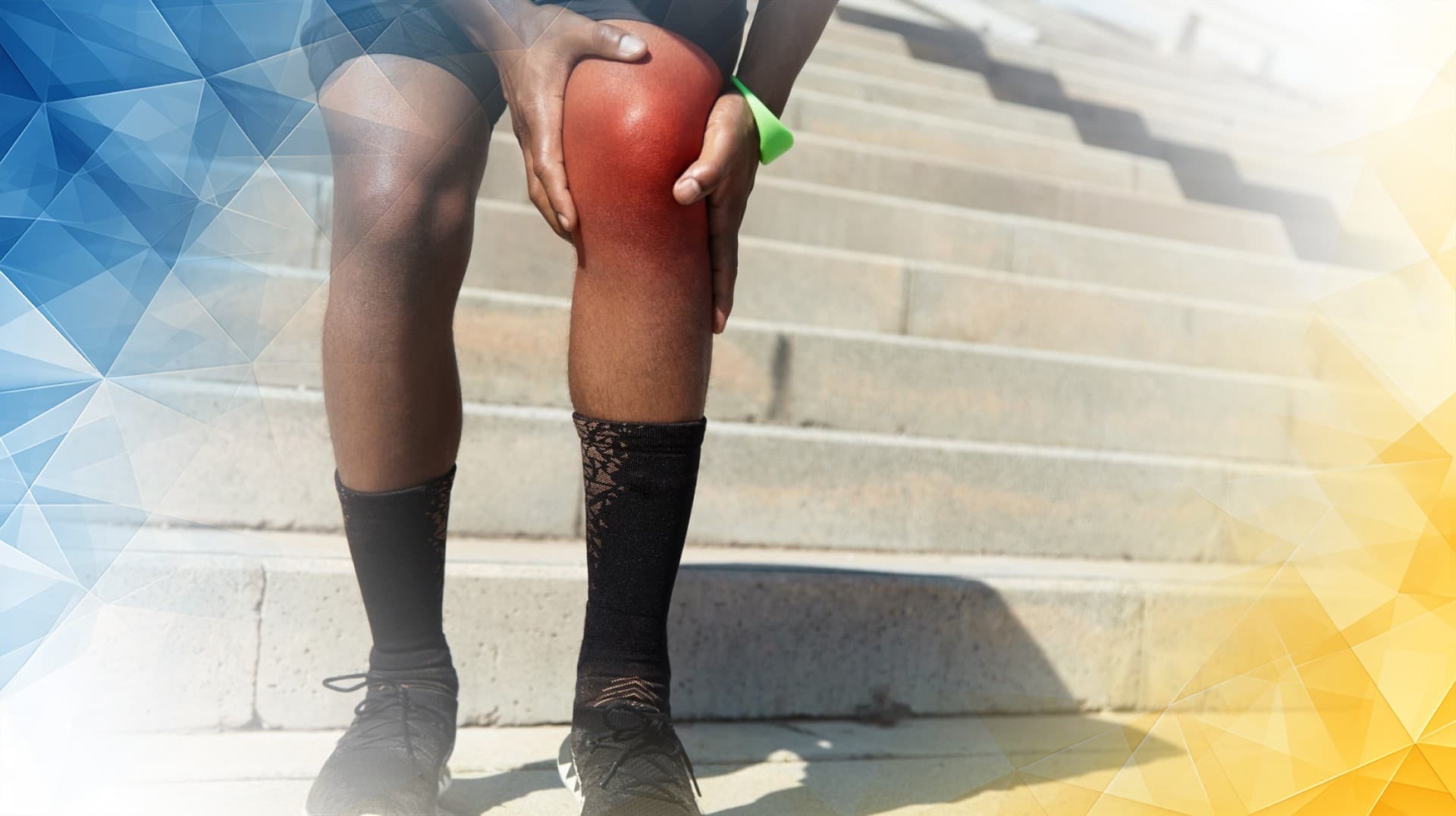
When you move, the pressure on your knee sends signals to the cartilage, prompting chondrocytes to repair or reinforce the tissue as needed. New technologies now allow scientists to study these processes in even greater detail. For example, advanced imaging in animal studies has shown that changes in cartilage ’s structure and quality can be tracked as joints degenerate. These insights help us better understand conditions like osteoarthritis , where cartilage gradually breaks down and leads to pain and stiffness.
With this deeper understanding, researchers can now see how disruptions—like injury , aging, or overuse—upset cartilage’s natural repair process. This knowledge is fueling the development of better diagnostics and more effective treatments. Modern tools like specialized imaging and minimally invasive procedures are making it easier to assess cartilage health and track changes over time.

Exciting Advances: New Treatments That Could Restore Cartilage
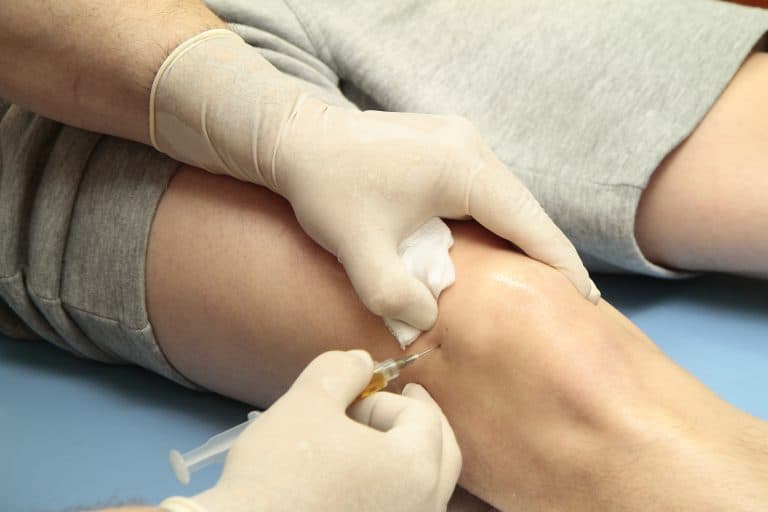
Armed with fresh insights, scientists are working on new ways to encourage knee cartilage repair and restoration. Regenerative medicine , including stem cell therapy , aims to harness the body’s natural ability to heal damaged cartilage. Bioengineered scaffolds—artificial structures designed to mimic the cartilage ’s supportive environment—are being developed to help new tissue grow where it’s needed most.
Researchers are also testing new medications that target the joint’s chemical environment, aiming to protect cartilage from further breakdown and slow the progress of osteoarthritis.
These innovative approaches hold the promise of moving beyond relieving pain to actually restoring lost cartilage and joint function. The future may bring therapies that let millions recover mobility, enjoying healthier, more active lives.
Conclusion: Looking Ahead to Healthier Knees
Knee cartilage isn’t just a simple pad; it’s a remarkable living tissue that plays a central role in joint health and mobility. Thanks to years of research, we now have a much clearer picture of how it works, how it responds to stress, and how joint diseases develop.
With new diagnostic tools and groundbreaking treatment options on the horizon, the prospect of regenerating damaged cartilage and preventing joint deterioration is more realistic than ever. This progress could mean that knee problems no longer lead to long-term pain or loss of independence, but instead offer new opportunities for healing and renewed activity.
By taking care of your knees now—and supporting the ongoing research into joint health—you can look forward to many more years of comfortable movement and adventure.
References
Ayral, X., & Dougados, M. (1995). Viability of chondroscopy as a means of cartilage assessment. Annals of the Rheumatic Diseases, 54(8), 613-614. https://doi.org/10.1136/ard.54.8.613
Harrison, D. F. N. (1984). Significance and means by which laryngeal cancer invades thyroid cartilage. Annals of Otology Rhinology & Laryngology, 93(4), 293-296. https://doi.org/10.1177/000348948409300402
Schadow, J. E., Boersma, E., Davey, R. A., & Stok, K. S. (2025). Mean cartilage attenuation measured in situ in an osteoarthritis mouse model using contrast-enhanced micro–computed tomography is indicative of cartilage degeneration. CARTILAGE. https://doi.org/10.1177/19476035251323373
Frequently Asked Questions
- London Cartilage Clinic specialises exclusively in joint cartilage care, offering state-of-the-art treatments tailored to each patient. Led by Professor Lee, our expertise includes the latest regenerative techniques and advanced diagnostics, ensuring patients receive the most effective, evidence-based solutions for their kneecap and joint cartilage health.
- Professor Lee is internationally recognised for his work in cartilage repair and regeneration. With decades of clinical and research experience, he employs innovative techniques backed by scientific breakthroughs, greatly improving patient outcomes. His personalised approach means patients receive expert care focused on restoring joint health and long-term mobility.
- The clinic provides cutting-edge regenerative medicine, such as stem cell therapy and bioengineered scaffolds, to stimulate cartilage regrowth. Combined with minimally invasive procedures and advanced imaging, these treatments aim not just to relieve pain, but to actually restore cartilage, helping patients regain movement and quality of life.
- We use the latest diagnostic tools, including high-definition imaging and minimally invasive joint assessments, to evaluate cartilage health in detail. These advanced techniques allow precise monitoring of joint changes, helping Professor Lee develop customised treatment plans and track progress for the best possible outcomes.
- Patients choose London Cartilage Clinic for its dedicated focus on cartilage health, Professor Lee’s expertise, and access to the newest treatments. Our holistic approach ensures not only pain relief, but also long-term preservation and restoration of knee function—helping patients return to active, independent lives with confidence.
Legal & Medical Disclaimer
This article is written by an independent contributor and reflects their own views and experience, not necessarily those of London Cartilage Clinic. It is provided for general information and education only and does not constitute medical advice, diagnosis, or treatment.
Always seek personalised advice from a qualified healthcare professional before making decisions about your health. London Cartilage Clinic accepts no responsibility for errors, omissions, third-party content, or any loss, damage, or injury arising from reliance on this material.
If you believe this article contains inaccurate or infringing content, please contact us at [email protected].
London Cartilage Clinic
Modern treatments, designed for lasting knee outcomes
Every treatment plan is selected to help you return to the quality of life you deserve. Our team combines up-to-date techniques with consultant-led decision making across cartilage repair, regeneration and replacement.
What your journey can look like
Step 01
Consultant-Led Assessment
Symptoms, imaging and goals reviewed in one structured appointment.
Step 02
Personalised Treatment Plan
A clear route chosen from repair, regeneration or replacement options.
Step 03
Precision Delivery
Modern techniques and specialist equipment matched to your diagnosis.
Step 04
Long-Term Knee Health
Follow-up guidance focused on durable function and quality of life.
Will the Arthrosamid work for me
PAAG-8+ Questionnaire
A bright, structured entry point for patients exploring Arthrosamid. The questionnaire helps frame suitability, expectations, and 24-month clinical benefit discussion before a fuller consultant-led review.
Designed for shared decision-making. It does not replace specialist consultation, examination, imaging review, or formal medical advice.