
Knee Cap cartilage repair and regeneration are essential procedures for patients suffering from cartilage damage, which can arise from wear and tear, repetitive sports activities, or traumatic injuries. At London Cartilage Clinic, we specialize in cutting-edge treatments, including keyhole or arthroscopic surgery, to address knee cartilage damage with minimal impact on other knee structures.
Why is Knee Cap Cartilage Repair Necessary?
Knee cartilage repair is crucial when cartilage damage in the knee joint affects your range of motion and daily activities. This type of surgery is recommended when less invasive methods, such as injections and physiotherapy, have not improved symptoms. Our clinic's approach is tailored to individuals who are active and have localized cartilage damage.
Free non-medical discussion
Not sure what to do next?
Information only · No medical advice or diagnosis.
Advanced Techniques for Cartilage Repair
At our clinic, we employ a range of advanced surgical techniques for cartilage repair. Arthroscopy, a minimally invasive key hole procedure, is frequently used for cartilage reattachment or removal. For extensive cartilage damage, we utilize liquid cartilage techniques to encourage cartilage regeneration, and mosaicplasty (OATS) for transplanting osteochondral grafts to repair defective zones. We also offer ACI, MACI, and STACI techniques. In more severe cases, open surgery might be necessary, using cartilage scaffolds and allografts combined with Mesenchymal Stem Cells (MSCs) and growth factors to achieve both repair and regeneration of the cartilage.

Postoperative Care and Recovery
Recovery from knee cartilage surgery is an essential part of the treatment process. We recommend physiotherapy to restore knee flexibility and muscle strength. The recovery timeline varies, with most patients returning to normal activities within three to six months post-surgery.
Frequently Asked Questions
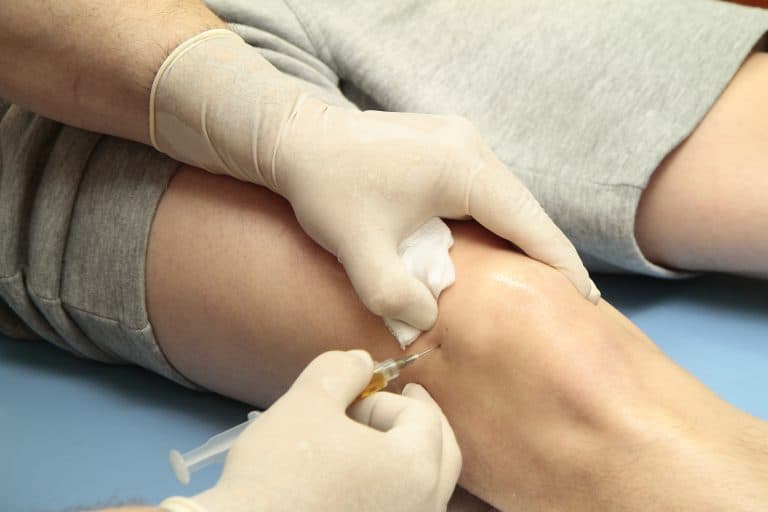
- Non-surgical treatments, including physiotherapy, NSAIDs, and injections, are available and can be effective for managing symptoms of cartilage damage.
- Recovery can take up to six months, with a gradual return to physical activities. Physiotherapy plays a vital role in regaining strength and mobility.
- While generally safe, risks include joint stiffness, inflammatory reactions, haematoma, infection, blood clots, and potential revision surgery for graft mobilization or displacement.
Legal & Medical Disclaimer
This article is written by an independent contributor and reflects their own views and experience, not necessarily those of London Cartilage Clinic. It is provided for general information and education only and does not constitute medical advice, diagnosis, or treatment.
Always seek personalised advice from a qualified healthcare professional before making decisions about your health. London Cartilage Clinic accepts no responsibility for errors, omissions, third-party content, or any loss, damage, or injury arising from reliance on this material.
If you believe this article contains inaccurate or infringing content, please contact us at [email protected].
London Cartilage Clinic
Modern treatments, designed for lasting knee outcomes
Every treatment plan is selected to help you return to the quality of life you deserve. Our team combines up-to-date techniques with consultant-led decision making across cartilage repair, regeneration and replacement.
What your journey can look like
Step 01
Consultant-Led Assessment
Symptoms, imaging and goals reviewed in one structured appointment.
Step 02
Personalised Treatment Plan
A clear route chosen from repair, regeneration or replacement options.
Step 03
Precision Delivery
Modern techniques and specialist equipment matched to your diagnosis.
Step 04
Long-Term Knee Health
Follow-up guidance focused on durable function and quality of life.
Will the Arthrosamid work for me
PAAG-8+ Questionnaire
A bright, structured entry point for patients exploring Arthrosamid. The questionnaire helps frame suitability, expectations, and 24-month clinical benefit discussion before a fuller consultant-led review.
Designed for shared decision-making. It does not replace specialist consultation, examination, imaging review, or formal medical advice.