

The knee is one of our body's most important and complex joints—key for movement and weight-bearing throughout daily life. Among the injuries that often impact the knee, meniscus tears are especially common. These injuries can cause significant pain and restrict how you move. But what exactly is the meniscus, and how can wearing a knee brace support your recovery?
The meniscus is a crescent-shaped piece of cartilage inside your knee that acts like a shock absorber, cushioning your joint and helping it remain stable. When this cartilage tears, its ability to protect the knee is compromised, which can lead to discomfort and restricted movement. In this article, we'll explore how modern knee braces can help during recovery—from understanding what happens inside your knee after a meniscus injury, to explaining how today's braces function, and why finding the right fit matters.
Why Are Meniscus Injuries So Challenging?
To see why meniscus injuries are tough to manage, it helps to know how the knee works. The meniscus, made from tough, rubbery cartilage, sits between your thigh bone (femur) and shin bone (tibia). Its job is to distribute weight, absorb shock, and keep the joint steady.
A torn meniscus disrupts these essential functions. Without the meniscus working properly, extra pressure is placed on other parts of the knee . This can cause pain, swelling, and sometimes a sense that the knee might ‘give way’. Over time, untreated meniscus tears put added strain on the knee and may lead to arthritis.
Biomechanical research—which studies how our bodies move and handle force—reveals that meniscus injuries change the way the knee bends and bears weight. After a tear, the knee may move abnormally or put extra stress on healthy tissue, raising the risk of further injury and making recovery more complicated.
How Do Knee Braces Help?
Given these challenges, knee support is often necessary for healing. This is where knee braces come in—but not all are created equal.
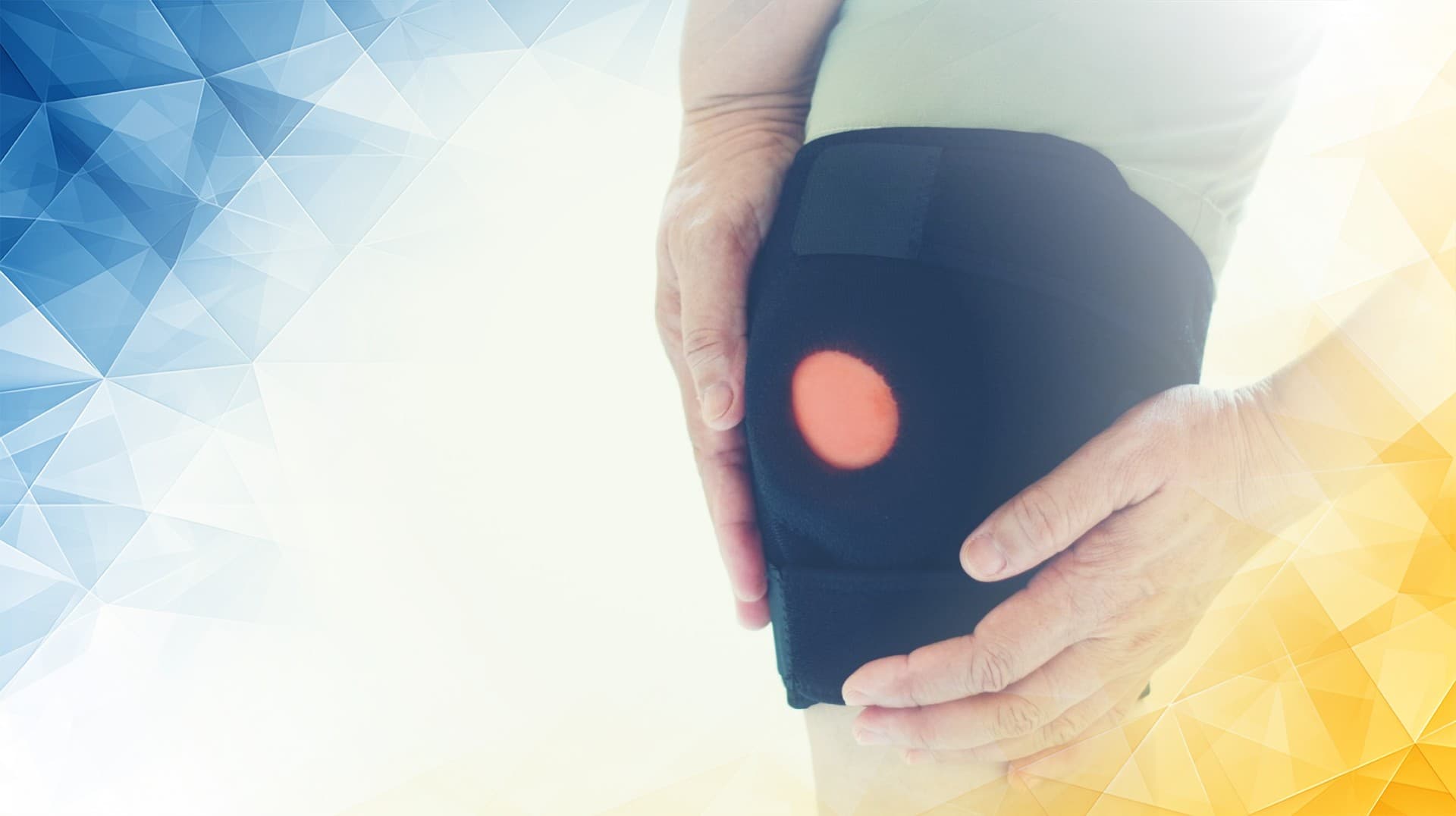
Modern knee braces for meniscus injuries have become increasingly sophisticated, thanks to advances in biomechanics (the science of how our bodies move). Many of these braces include hinged supports to allow natural bending, but limit harmful movements that could worsen an injury. Some feature ‘unloader’ mechanisms designed to shift weight away from the damaged part of the knee , helping reduce pain and inflammation.
Research suggests that specific knee braces can improve your body’s sense of joint position ( proprioception ) and may offer protection for those recovering from knee injuries —without reducing athletic performance. For example, studies have found that unloader knee braces can reduce strain in the medial meniscus when the key ligament (the ACL) is intact, providing genuine relief for many meniscus injuries . However, these benefits depend on the condition of other knee structures —so it’s essential to get an accurate diagnosis and professional advice when choosing a brace.
When comparing different types of knee braces , those with advanced features like adjustable hinges and unloader mechanisms generally provide better stability than simple elastic compressive sleeves. These braces help keep the knee aligned and limit excess twisting or sideways movement—common issues after a meniscus tear . By controlling these movements during everyday activities, they help make recovery safer and more comfortable.
Why Proper Fit and Personalisation Matter
While design is important, the effectiveness of a knee brace depends largely on how well it fits. Everyone’s knees and leg shapes are different, and the nature of meniscus injuries can vary widely. That’s why a knee brace should be fitted to your unique anatomy and specific needs.
A brace that fits well is not only more comfortable but also offers improved support. If it’s too loose, it won’t protect the knee. If it’s too tight, it might hurt or restrict needed movement. Getting the right fit often requires guidance from a healthcare professional experienced in orthotics.
Studies show that people who use customized, properly fitted knee braces usually experience faster recovery and improved knee function compared to those using generic, off-the-shelf alternatives. In short, professional fitting and personalisation can make a real difference in your recovery journey.
In Summary
A meniscus injury can upset the delicate balance of the knee, leading to pain, instability, and even long-term joint damage. Modern knee braces , designed with biomechanical insights, play a vital role in stabilizing the joint and reducing the stresses that cause further damage.
However, these benefits rely on choosing the right type of brace and ensuring it’s fitted to your body and injury . With the right support and expert guidance, you can significantly improve your chances for smooth recovery and keep your knees healthier for the future.
Thanks to advances in research and technology, knee braces are now more effective and comfortable than ever before, offering hope and support to anyone recovering from a meniscus injury. By combining professional care with the best in brace design, you can get back on your feet—and back to doing the things you love—faster and more confidently.
References
Eichenholtz, S. N., Jacobs, B., & Patterson, R. L. (1968). Meniscus injuries of the knee in the elderly. Journal of the American Geriatrics Society, 16(3), 281-289. https://doi.org/10.1111/j.1532-5415.1968.tb00737.x
Kalra, M., Bakker, R., Tomescu, S., Polak, A. M., Nicholls, M., & Chandrashekar, N. (2019). The effect of unloader knee braces on medial meniscal strain. Prosthetics and Orthotics International, 43(2), 132-139.
Negrín, R., Uribe-Echevarria, B., & Reyes, N. O. (2017). Do knee braces prevent ski knee injuries? Asian Journal of Sports Medicine, In Press. https://doi.org/10.5812/asjsm.58678
Frequently Asked Questions
- Meniscus injuries often disrupt shock absorption and joint stability in the knee, leading to pain, swelling, and instability. The altered mechanics can strain other knee structures, hindering recovery and increasing the risk of developing further problems like arthritis over time if not managed appropriately by a specialist.
- Modern knee braces, based on biomechanical research, support recovery by stabilising the knee, reducing harmful movements, and easing pressure on damaged tissue. Advanced braces may feature unloader mechanisms and adjustable hinges, helping control movement and offering comfort, particularly when fitted by an expert like Prof Lee at London Cartilage Clinic.
- An accurate diagnosis and professional advice are crucial, as the right brace depends on your unique injury and knee structure. Prof Lee and the team at London Cartilage Clinic can guide you to a brace that fits correctly, maximises stability, and supports safer, more effective recovery tailored to your needs.
- London Cartilage Clinic is led by Prof Lee, an internationally recognised expert in cartilage and knee injuries. The clinic specialises in providing tailored brace solutions, ensuring every patient receives a bespoke fit and the most suitable support, based on the latest research and extensive clinical experience.
- With decades of advanced clinical practice, Prof Lee leads the London Cartilage Clinic in delivering highly personalised care for meniscus injuries. Patients benefit from his expertise in diagnosis, treatment planning, and selecting modern bracing solutions to help optimise knee function and recovery outcomes.
Legal & Medical Disclaimer
This article is written by an independent contributor and reflects their own views and experience, not necessarily those of London Cartilage Clinic. It is provided for general information and education only and does not constitute medical advice, diagnosis, or treatment.
Always seek personalised advice from a qualified healthcare professional before making decisions about your health. London Cartilage Clinic accepts no responsibility for errors, omissions, third-party content, or any loss, damage, or injury arising from reliance on this material.
If you believe this article contains inaccurate or infringing content, please contact us at [email protected].
London Cartilage Clinic
Modern treatments, designed for lasting knee outcomes
Every treatment plan is selected to help you return to the quality of life you deserve. Our team combines up-to-date techniques with consultant-led decision making across cartilage repair, regeneration and replacement.
What your journey can look like
Step 01
Consultant-Led Assessment
Symptoms, imaging and goals reviewed in one structured appointment.
Step 02
Personalised Treatment Plan
A clear route chosen from repair, regeneration or replacement options.
Step 03
Precision Delivery
Modern techniques and specialist equipment matched to your diagnosis.
Step 04
Long-Term Knee Health
Follow-up guidance focused on durable function and quality of life.
Will the Arthrosamid work for me
PAAG-8+ Questionnaire
A bright, structured entry point for patients exploring Arthrosamid. The questionnaire helps frame suitability, expectations, and 24-month clinical benefit discussion before a fuller consultant-led review.
Designed for shared decision-making. It does not replace specialist consultation, examination, imaging review, or formal medical advice.