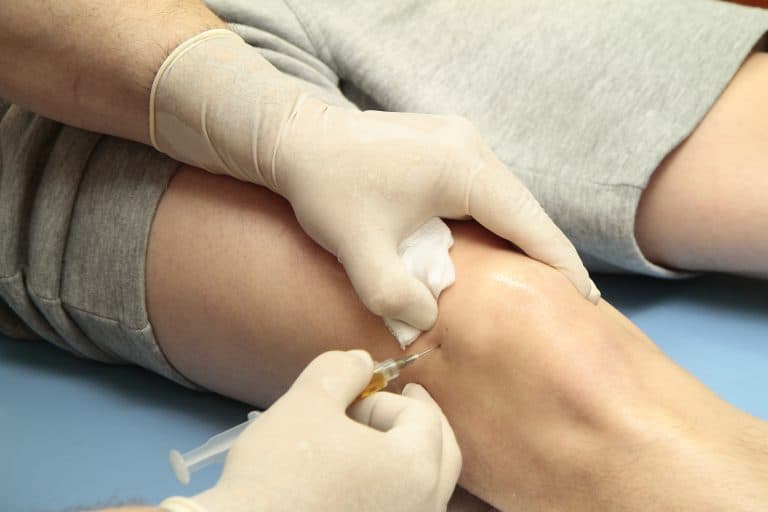



Knee arthritis is a prevalent condition often impacts an individual's daily life through pain, swelling, and reduced mobility. It occurs when the cartilage in the knee joint wears down, causing bones to rub against one another. The three most common types of knee arthritis are osteoarthritis, rheumatoid arthritis, and post-traumatic arthritis. While surgery is an effective solution to various forms of knee arthritis, patients should be provided with the information to decide whether surgery is the best course of action for them.
What's involved in cartilage surgery
Initial symptoms may include pain during movement, stiffness, and swelling around the knee. Early diagnosis often involves physical exams, X-rays, and MRI scans to assess the extent of knee cartilage damage. The surgical procedure will then be planned accordingly, although most cartilage surgeries are performed arthroscopically. This results in a minimally invasive procedure whereby cartilage is restored, repaired, or regenerated using appropriate medical techniques. You can learn more about these cartilage surgeries on our 'treatments' section.
Free non-medical discussion
Not sure what to do next?
Information only · No medical advice or diagnosis.
Deciding whether Knee Arthritis is a cause for surgery
Knee arthritis can significantly impact your quality of life. When conservative treatments like medications, injections, and non-surgical interventions fail, surgery might be considered. Cartilage surgery aims to repair or replace the damaged cartilage to restore function and relieve pain. Common procedures include microfracture, autologous chondrocyte implantation, and osteochondral grafting. In some cases, knee cartilage surgery is necessary to address extensive damage and improve patients' mobility.
Side Effects and Complications
Like any surgical procedure, cartilage surgery carries risks. Short-term side effects may include pain, swelling, and limited mobility. Long-term potential complications include infection, blood clots, and persistent pain. If left untreated, knee arthritis can lead to severe joint damage, deformities, and chronic pain, significantly impacting daily activities.
Recovery and Rehabilitation
The recovery process varies depending on the type of surgery and the individual’s overall health. Generally, patients can expect to start with rest and gradual weight-bearing activities, followed by physical therapy. Knee strengthening exercises at home play a crucial role in rehabilitation. Common exercises include leg raises, hamstring curls, and gentle range-of-motion activities. Patience and adherence to the rehabilitation plan are vital for successful recovery.
Additional Patient Information
Early intervention is essential in managing knee arthritis effectively. Simple measures like maintaining a healthy weight, practising good posture, and engaging in regular low-impact exercises such as swimming or cycling can help prevent further joint damage. Always seek medical advice if symptoms worsen or do not improve with initial treatments. For those looking into non-surgical options, knee cartilage repair without surgery involves methods like physiotherapy and lifestyle changes to slow down cartilage degeneration.

Surgical and non-surgical treatments for cartilage damage
Understanding the connection between knee arthritis and cartilage surgery is essential for making informed decisions about your health. Early intervention, proper diagnosis, and following the prescribed treatment plans can help manage symptoms effectively and improve quality of life. Contact the team at London Cartilage Clinic for more information.
Frequently Asked Questions
- Rest and limit weight-bearing on the operated knee. Follow your surgeon’s post-operative instructions diligently to ensure a smooth recovery.
- Recovery timelines can vary but typically range from several weeks to a few months, depending on the surgery type and individual health.
- Yes, maintaining a healthy lifestyle, engaging in regular exercise, and avoiding activities that strain the knee can help prevent arthritis progression.
- Watch for increased pain, redness, swelling, fever, or drainage from the surgical site. These could indicate an infection or other complications.
- Physical therapy is highly effective in regaining strength, mobility, and function. It’s a crucial component of the recovery process.
- Surgery should be considered when conservative treatments fail to alleviate symptoms, and the condition significantly impacts your daily activities.
Legal & Medical Disclaimer
This article is written by an independent contributor and reflects their own views and experience, not necessarily those of London Cartilage Clinic. It is provided for general information and education only and does not constitute medical advice, diagnosis, or treatment.
Always seek personalised advice from a qualified healthcare professional before making decisions about your health. London Cartilage Clinic accepts no responsibility for errors, omissions, third-party content, or any loss, damage, or injury arising from reliance on this material.
If you believe this article contains inaccurate or infringing content, please contact us at [email protected].
London Cartilage Clinic
Modern treatments, designed for lasting knee outcomes
Every treatment plan is selected to help you return to the quality of life you deserve. Our team combines up-to-date techniques with consultant-led decision making across cartilage repair, regeneration and replacement.
What your journey can look like
Step 01
Consultant-Led Assessment
Symptoms, imaging and goals reviewed in one structured appointment.
Step 02
Personalised Treatment Plan
A clear route chosen from repair, regeneration or replacement options.
Step 03
Precision Delivery
Modern techniques and specialist equipment matched to your diagnosis.
Step 04
Long-Term Knee Health
Follow-up guidance focused on durable function and quality of life.
Will the Arthrosamid work for me
PAAG-8+ Questionnaire
A bright, structured entry point for patients exploring Arthrosamid. The questionnaire helps frame suitability, expectations, and 24-month clinical benefit discussion before a fuller consultant-led review.
Designed for shared decision-making. It does not replace specialist consultation, examination, imaging review, or formal medical advice.