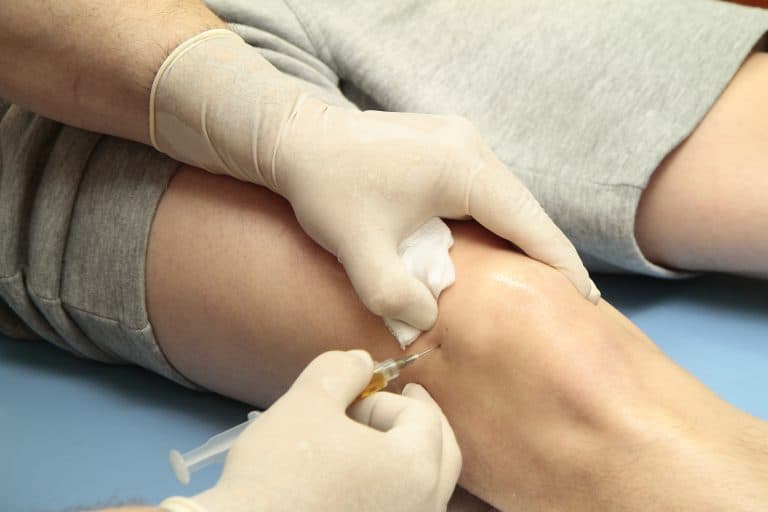



Understanding the Torn Meniscus
The knee is a complex joint that works hard every day—supporting your body, absorbing shock, and allowing for all kinds of movement. Inside the knee, two crescent-shaped pads of cartilage called menisci help cushion and stabilize the joint. If you experience a meniscus tear —often caused by sudden twisting or impact—it can lead to pain, swelling, and trouble moving your knee comfortably.
If you've recently injured your knee like this, you probably wonder: is it safe to walk on a torn meniscus ? Could walking make things worse, or might gentle movement actually help recovery? In this article, we’ll break down what the latest research and medical experts say about walking with a torn meniscus , cover pain management and rehab strategies, and help you know when it’s time to see a specialist. That way, you can make the best decisions for your healing journey.
What the Research Tells Us About Meniscal Tears
Meniscus tear s come in all shapes and sizes. Some are tiny and affect only a part of the cartilage , while others can be more severe. How a doctor treats your tear depends largely on its type and severity.
For small or partial tears, many healthcare providers recommend starting with conservative treatment —meaning rest, gentle exercises, and physical therapy , rather than jumping straight to surgery. This conservative approach helps strengthen the muscles around the knee , adds stability, and can often allow your knee to heal without invasive procedures. However, bigger or more complicated tears sometimes do require surgery to repair or remove damaged tissue.
Overall, there’s a good deal of agreement that every case needs to be treated individually. Your recovery plan should reflect factors like your injury type , your lifestyle, and your general health. Physical therapy and rehabilitation are commonly emphasized because they are key to restoring knee function and mobility.
In adults, especially those with degenerative changes in the knee, meniscus tear s can be associated with additional joint damage. For example, one study found that many adults with meniscus tears also had signs of arthritis or cartilage wear.
One major clinical trial, the METEOR trial, found that physical therapy is often a good first step and that immediate surgery isn’t always needed—even for people with both a torn meniscus and osteoarthritis . Most people in this group saw improvement with therapy alone, and if surgery was eventually needed, waiting did not negatively affect long-term results.
Free non-medical discussion
Not sure what to do next?
Information only · No medical advice or diagnosis.
Walking on a Torn Meniscus: Weighing the Benefits and Risks
It’s natural to wonder if you should stay off your feet or keep moving when you have a torn meniscus . The short answer: gentle movement can be helpful, but only within your limits.
Walking can help keep your knee from becoming stiff, maintain some strength, and may even ease minor discomfort. But overdoing it—especially walking long distances or bearing extra weight—can aggravate your injury , increase pain, and slow your recovery.
So, should you walk with a torn meniscus ? It depends on:
- Severity of your tear: Minor tears may tolerate gentle walking, while larger or unstable tears might not.
- Stability of your knee : If your knee feels wobbly, it’s best to limit walking.
- Your pain level: If walking increases sharp or persistent pain, stop and rest.
- Guidance from a medical professional: Physical therapists can tailor activity levels to your specific needs and monitor your progress to keep things safe.
Pay attention to your body’s signals. If walking feels reasonable and doesn’t cause additional discomfort, short, controlled walks can be part of your rehab. If not, don’t push it—resting is sometimes the best medicine.

Rehabilitation and How to Protect Your Knee
The road to recovery from a meniscal tear usually begins with rest to help reduce swelling, then transitions to gradual, gentle activity. Physical therapy often introduces exercises focused on improving range of motion, building strength in the muscles around your knee, and restoring your balance and stability.
A well-designed rehab plan might start with light stretches and progress to controlled walking routines. Strengthening the quadriceps and hamstrings is particularly important, as strong muscles help support and protect your knee during future activities.
To avoid re-injury, try these tips:
- Stick with low-impact exercises recommended by your therapist.
- Maintain a healthy weight to reduce extra stress on your knees.
- Let pain, not a schedule, guide your progress.
- Avoid activities like running, squatting, or twisting until cleared by your healthcare provider.
Most importantly, consult your doctor or physical therapist to design a plan tailored to your knee and lifestyle. Research shows that delaying surgery to try conservative management doesn’t harm your long-term results, so taking the time to rehab carefully is a smart move.
Final Thoughts: Making the Right Choice for Your Knee
Whether it’s safe to walk on a torn meniscus truly depends on your specific situation. Mild tears might handle short, careful walks as part of rehab, but more severe tears often require rest and a more cautious approach.
Always check with a healthcare professional before increasing your activity. With the right balance of rest, gentle movement , and targeted rehab, you can help your knee heal and return to the activities you enjoy.
References
- Ahn, J. H., Choi, S.–H., Lee, Y. S., Yoo, J. C., Chang, M. J., Bae, S., & Bae, Y. R. (2010). Symptomatic torn discoid lateral meniscus in adults. Knee Surgery Sports Traumatology Arthroscopy, 19(2), 158–164. https://doi.org/10.1007/s00167-010-1058-8
- Hwang, Y. G., & Kwoh, C. K. (2014). The METEOR trial: No rush to repair a torn meniscus. Cleveland Clinic Journal of Medicine, 81(4), 226–232. https://doi.org/10.3949/ccjm.81a.13075
- Zhang, D., Cheriyan, T., Martin, S. D., Gomoll, A. H., Schmid, T., & Spector, M. (2011). Lubricin distribution in the torn human anterior cruciate ligament and meniscus. Journal of Orthopaedic Research, 29(12), 1916-1922. https://doi.org/10.1002/jor.21473
Legal & Medical Disclaimer
This article is written by an independent contributor and reflects their own views and experience, not necessarily those of London Cartilage Clinic. It is provided for general information and education only and does not constitute medical advice, diagnosis, or treatment.
Always seek personalised advice from a qualified healthcare professional before making decisions about your health. London Cartilage Clinic accepts no responsibility for errors, omissions, third-party content, or any loss, damage, or injury arising from reliance on this material.
If you believe this article contains inaccurate or infringing content, please contact us at [email protected].
London Cartilage Clinic
Modern treatments, designed for lasting knee outcomes
Every treatment plan is selected to help you return to the quality of life you deserve. Our team combines up-to-date techniques with consultant-led decision making across cartilage repair, regeneration and replacement.
What your journey can look like
Step 01
Consultant-Led Assessment
Symptoms, imaging and goals reviewed in one structured appointment.
Step 02
Personalised Treatment Plan
A clear route chosen from repair, regeneration or replacement options.
Step 03
Precision Delivery
Modern techniques and specialist equipment matched to your diagnosis.
Step 04
Long-Term Knee Health
Follow-up guidance focused on durable function and quality of life.
Will the Arthrosamid work for me
PAAG-8+ Questionnaire
A bright, structured entry point for patients exploring Arthrosamid. The questionnaire helps frame suitability, expectations, and 24-month clinical benefit discussion before a fuller consultant-led review.
Designed for shared decision-making. It does not replace specialist consultation, examination, imaging review, or formal medical advice.