

Effective Knee Pain Treatment at Home: Natural Remedies, Mindfulness, and Strengthening Exercises
Introduction
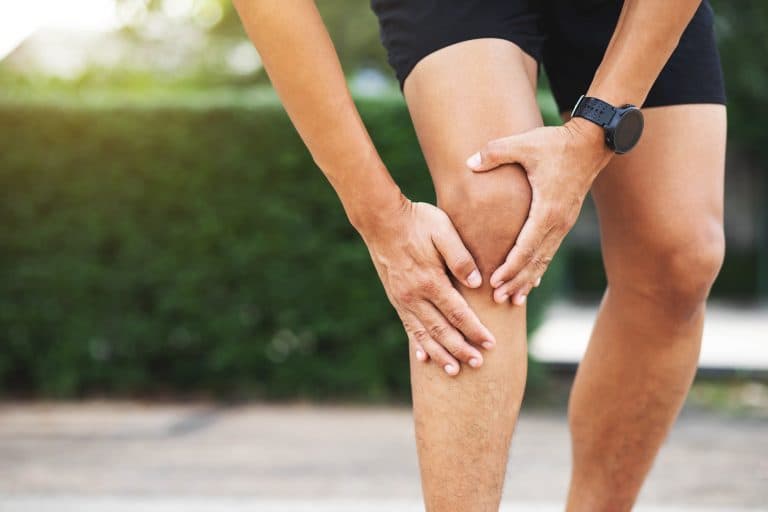
Knee pain is a common problem that can make everyday tasks uncomfortable and limit your mobility. Whether your discomfort stems from osteoarthritis , overuse, or alignment issues, finding relief at home is often practical and effective. In this article, we’ll share a well-rounded approach to managing knee pain that combines natural remedies, mindfulness techniques, and strengthening exercises. With these simple strategies, you can start feeling better quickly and support your knee health for the long term.
What Causes Knee Pain?
Understanding the source of your knee pain is the first step toward effective treatment. One of the most common reasons is osteoarthritis—a condition where cartilage in the knee gradually wears away, causing pain and stiffness. Other frequent causes include repetitive strain from activities like running or heavy lifting, and movement issues like muscle weakness or poor alignment that put extra stress on the joint.
Because knee pain can have various origins, the most effective treatment addresses both the pain itself and its root causes. Managing symptoms at home is not only convenient and affordable, but it also gives you control over your care. Research supports this: home-based programs that include education, exercise, and self-management can significantly improve knee pain and help maintain an active lifestyle.
Natural Ways to Reduce Pain and Inflammation
There are several natural remedies you can use to ease knee pain and swelling at home. Applying an ice pack after activity can numb soreness and reduce inflammation. On the other hand, a warm compress or hot water bottle can help relax tight muscles and improve blood flow, relieving stiffness.
Adding anti- inflammatory foods like turmeric and ginger to your diet is another powerful way to fight pain. These ingredients have been shown in studies to decrease inflammation, so try including them in meals or as supplements after talking with your healthcare provider.
How Mindfulness Can Help Manage Pain
Pain is not just a physical sensation—it’s also shaped by stress and our mental state. This is where mindfulness can make a difference. Simple practices such as meditation, deep breathing, or progressive muscle relaxation help calm the mind and change how we experience pain.
Many people find that regular mindfulness practice improves their mood and gives them a greater sense of control over their pain. Even a few minutes a day can make coping with chronic knee discomfort much easier and help you stay more active.
Next steps
Where to go from here
These routes are selected from the topic and purpose of this article. They are guidance, not a diagnosis or treatment recommendation.
Learn more
Explore treatment options
Talk to the team
Book a free discovery call
Strengthening Exercises You Can Do at Home
Strong muscles are vital for supporting the knee and reducing pain. Focus on building up the quadriceps (front of the thigh), hamstrings (back of the thigh), and calves, as these muscle groups help stabilize the joint and absorb stress.
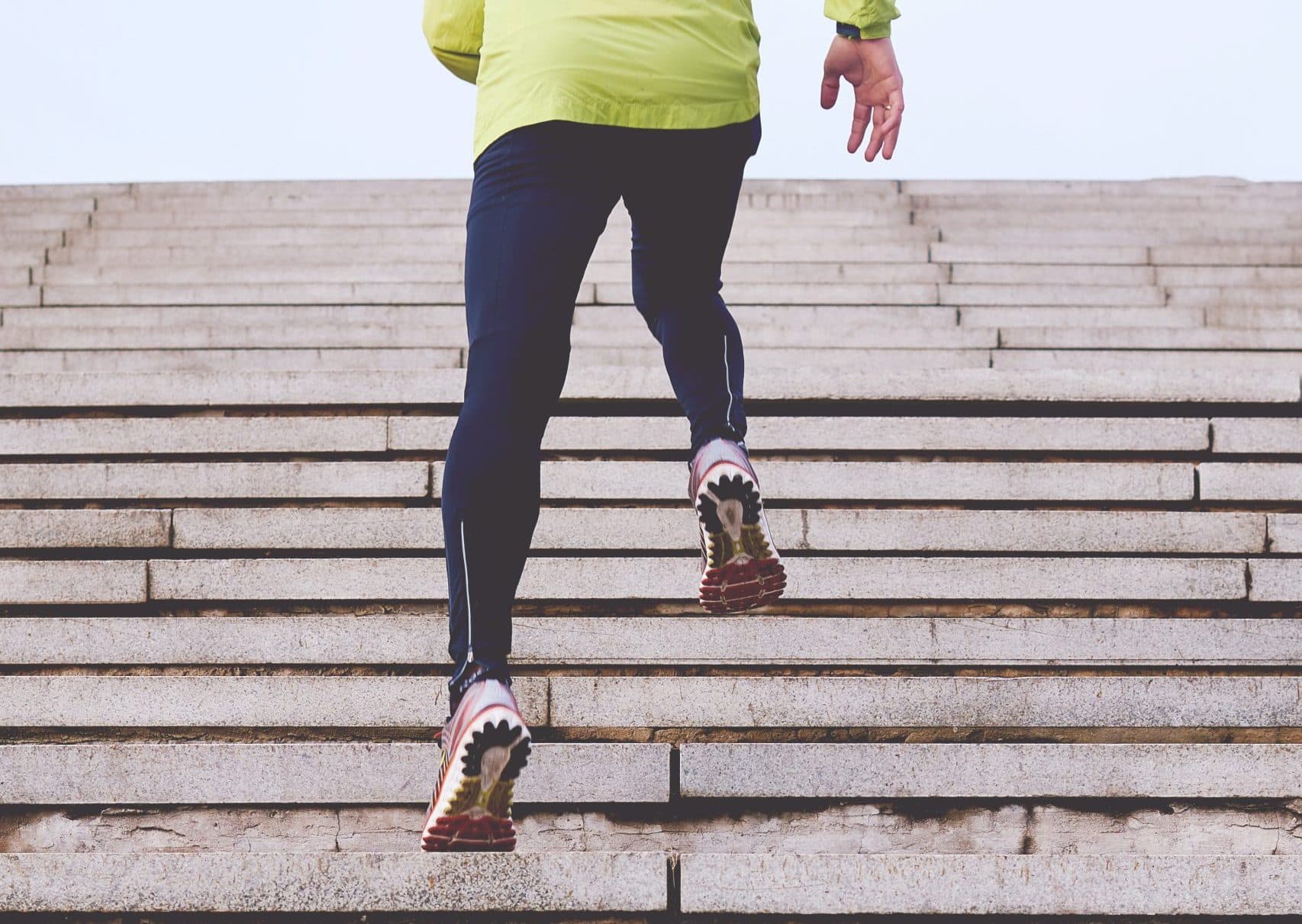
Gentle exercises such as straight leg raises, wall sits, and step-ups are great places to start—and you don’t need any special equipment to do them at home. Don’t forget to stretch your hamstrings and calves to keep your legs flexible.
Take care to use correct form when exercising, as this reduces your risk of injury and maximizes the benefit. Regular, low-impact strengthening is especially helpful for those with osteoarthritis , improving mobility and reducing symptoms. Research highlights that consistent exercise, along with other self-management approaches, is a cornerstone of effective knee pain treatment .
Looking After Your Knees for the Long Term
Healthy knees require ongoing attention. Incorporating natural remedies, mindfulness, and regular strengthening exercises into your routine creates a strong foundation for long-lasting relief. Even short, consistent sessions add up and help prevent future flare-ups .
Listen to your body—if your knees start to ache more or feel unstable, adjust your activities and be mindful not to overdo it. If pain persists, swelling increases, or you have trouble moving your knee , don’t hesitate to seek professional medical advice.
Other simple habits, such as maintaining a healthy weight, wearing supportive shoes , and staying active without prolonged periods of inactivity, also go a long way in keeping your knees healthy . A balanced approach allows you to stay comfortable and keep moving with confidence.
Conclusion
Managing knee pain at home with a mix of natural remedies, mindfulness, and strengthening exercises offers a simple and well-rounded way to feel better and keep your joints healthy. With support from both research and real-life experience, these strategies put effective pain relief within your reach. With patience and steady effort, you can regain comfort, stay active, and enjoy greater freedom of movement .
References
Thomas, K. S., Miller, P., Doherty, M., Muir, K., Jones, A. C., & O’Reilly, S. (2005). Cost effectiveness of a two-year home exercise program for the treatment of knee pain. Arthritis & Rheumatism, 53(3), 388–394. https://doi.org/10.1002/art.21173
Duong, V., Oo, W. M., Ding, C., Culvenor, A. G., & Hunter, D. J. (2023). Evaluation and Treatment of Knee Pain. JAMA, 330(16), 1568. https://doi.org/10.1001/jama.2023.19675
Mardini, M., Rashidi, P., Nerella, S., Fullwood, D., Corbett, D. B., Ranka, S., & Manini, T. M. (2019). Excursion from home and ecological pain in older adults with knee pain. Innovation in Aging, 3(Supplement_1), S524-S524. https://doi.org/10.1093/geroni/igz038.1929
Next steps
Where to go from here
These routes are selected from the topic and purpose of this article. They are guidance, not a diagnosis or treatment recommendation.
Learn more
Explore treatment options
Use a structured overview to narrow down the most useful next step for your situation.
Talk to the team
Book a free discovery call
A non-medical call with the team to understand services and choose the right booking route.
Legal & Medical Disclaimer
This article is published by London Cartilage Clinic for general information and education only. It does not constitute medical advice, diagnosis, or treatment.
Always seek personalised advice from a qualified healthcare professional before making decisions about your health. London Cartilage Clinic accepts no responsibility for errors, omissions, third-party content, or any loss, damage, or injury arising from reliance on this material.
If you believe this article contains inaccurate or infringing content, please contact us at [email protected].


