


Innovative Treatment Options for Ankle Cartilage Damage: Exploring Regenerative Medicine and Advanced Surgical Techniques
Introduction
Ankle cartilage damage is a common—and often frustrating—condition that can make even simple activities like walking or standing painful. When the cartilage in your ankle is injured, you may experience ongoing pain, stiffness, and limited mobility. While traditional treatments can provide relief, they don’t always restore the damaged cartilage to its full function. Fortunately, advances in regenerative medicine and new surgical techniques are opening up promising new possibilities. In this article, we’ll take a closer look at how these innovative approaches are changing the treatment landscape for ankle cartilage injuries .
What Is Ankle Cartilage Damage?
Cartilage is the smooth, rubbery material that covers and cushions the ends of bones in your joints. In your ankle, healthy cartilage helps your bones glide smoothly as you move. Damage to this cushioning can happen after an injury, through overuse, or due to conditions like arthritis. The result is pain, swelling, and difficulty moving your ankle.
One challenge with cartilage is that it doesn’t heal easily on its own—primarily because it gets very little blood flow. Treatments like physical therapy, pain relievers, or surgical procedures such as microfracture (where surgeons create tiny holes in the bone to stimulate the growth of new tissue) can help manage symptoms, but true cartilage repair is hard to achieve. That’s why scientists are turning to regenerative medicine, which seeks to rebuild your own cartilage using the body’s natural healing abilities—enhanced by cutting-edge technologies.
Accurate diagnosis is key to determining how much cartilage damage is present and how best to treat it. For example, imaging techniques have proven especially useful when the joint alignment is affected. Medial joint space narrowing in combination with changes in bone positioning (such as talar tilting) gives doctors a much clearer picture of the damage, allowing for better treatment planning.
Early intervention after an ankle injury can also play a big role in long-term cartilage health. Some research has shown that reducing inflammation soon after an ankle fracture can help protect the cartilage and promote better recovery. This highlights the importance of prompt and comprehensive care after any significant ankle trauma.
Free non-medical discussion
Not sure what to do next?
Information only · No medical advice or diagnosis.
How Regenerative Medicine and Advanced Surgeries Work
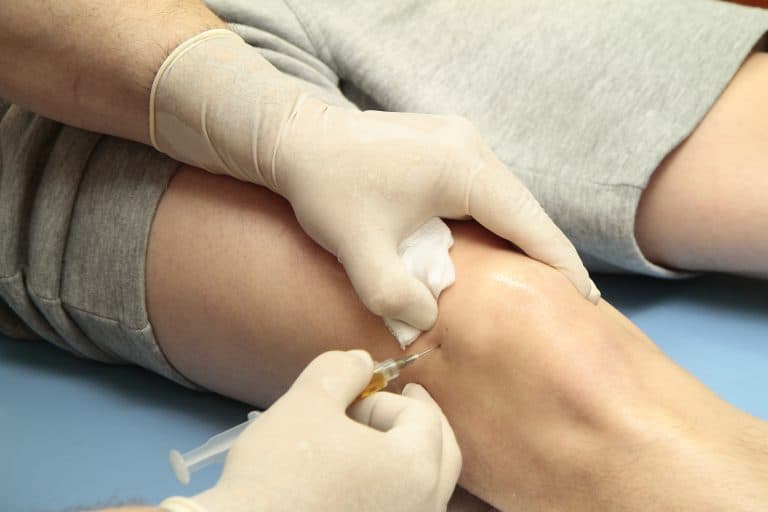
Some of the most promising new treatments involve regenerative medicine techniques such as stem cell therapy and tissue engineering . Tissue engineering creates a scaffold or framework to support the growth of new cartilage cells in the right place and shape. Stem cells—special cells that can develop into many types of tissue, including cartilage—can be used to seed this scaffold or be injected directly into the joint.
The process typically starts with imaging and assessment to determine the extent of the damage. Doctors then collect stem cells , usually from your own bone marrow or fat tissue. These cells are processed and either injected into your ankle or combined with a scaffold for surgical implantation. The scaffold guides the stem cells to develop into healthy new cartilage where it’s needed most.
Researchers are also investigating whether cells harvested from damaged cartilage (known as chondrocytes) can be used in repair strategies. However, studies have found that chondrocytes from previously damaged cartilage may have a reduced capacity to form new, healthy cartilage. This means that the source and quality of the cells used in treatment are important considerations for long-term success.
Another exciting development is the use of anti-inflammatory medications during the earliest stages after an ankle injury . Recent evidence suggests that these medications can help limit the initial cartilage damage, potentially improving outcomes and protecting joint health in the long run.
Following a regenerative procedure, a thoughtful rehabilitation program is crucial. Physical therapy helps protect the healing tissue and gradually restore movement, strength, and stability. Clinical studies are promising—patients who have undergone stem cell therapy have often experienced less pain and better ankle function compared to traditional approaches. In some cases, improvements in cartilage quality have been seen in as little as six months.

Benefits, Challenges, and What the Future Holds
The benefits of these innovative treatments are significant—and include faster recovery, improved function, and the potential for longer-lasting joint health . However, these therapies can come with challenges. Not every medical center offers the most advanced options, and the treatments may be expensive or not covered by insurance. Approval and regulation also vary from country to country, which can affect accessibility.
Advances in imaging, such as more precise radiographic grading systems, are also helping doctors assess cartilage damage more reliably. By using features like talar tilting in assessment, clinicians can better evaluate the severity of a patient’s condition and choose the right treatment path.
The future looks bright as researchers work to refine these therapies. New ways of sourcing and processing stem cells , improved scaffold designs, and advanced medications to boost cartilage regrowth are all on the horizon. Innovations in minimally invasive surgical techniques and more sophisticated imaging will further enhance safety and results. With these advances, the day may soon come when regenerative therapies are the standard of care for ankle cartilage injuries .
Conclusion
Regenerative medicine and advanced surgical approaches are reshaping what’s possible in the treatment of ankle cartilage damage . By combining the power of your body’s own healing processes with the latest medical technology, these treatments offer hope for better mobility and less pain to those affected by cartilage injuries . As more research emerges and access to treatment expands, we can look forward to a future with more effective, personalized solutions for joint repair .
References
Moon, J.-S., Shim, J. C., Suh, J.-S., & Lee, W.-C. (2010). Radiographic Predictability of Cartilage Damage in Medial Ankle Osteoarthritis. Clinical Orthopaedics and Related Research, 468(8), 2188–2197. https://doi.org/10.1007/s11999-010-1352-2
Candrian, C., Miot, S., Wolf, F., Bonacina, E., Dickinson, S. C., Wirz, D., Jakob, M., Valderrábano, V., Barbero, A., & Martín, I. (2010). Are ankle chondrocytes from damaged fragments a suitable cell source for cartilage repair? Osteoarthritis and Cartilage, 18(8), 1067-1076. https://doi.org/10.1016/j.joca.2010.04.010
Adams, S. B., Allen, N. B., & Abar, B. (2020). The Intra-Articular Hematoma Immediately after Ankle Fracture Causes Cartilage Damage That is Partially Attenuated by Anti-Inflammatory Agents. Foot & Ankle Orthopaedics, 5(2). https://doi.org/10.1177/2473011420s00002
Legal & Medical Disclaimer
This article is written by an independent contributor and reflects their own views and experience, not necessarily those of London Cartilage Clinic. It is provided for general information and education only and does not constitute medical advice, diagnosis, or treatment.
Always seek personalised advice from a qualified healthcare professional before making decisions about your health. London Cartilage Clinic accepts no responsibility for errors, omissions, third-party content, or any loss, damage, or injury arising from reliance on this material.
If you believe this article contains inaccurate or infringing content, please contact us at [email protected].
London Cartilage Clinic
Modern treatments, designed for lasting knee outcomes
Every treatment plan is selected to help you return to the quality of life you deserve. Our team combines up-to-date techniques with consultant-led decision making across cartilage repair, regeneration and replacement.
What your journey can look like
Step 01
Consultant-Led Assessment
Symptoms, imaging and goals reviewed in one structured appointment.
Step 02
Personalised Treatment Plan
A clear route chosen from repair, regeneration or replacement options.
Step 03
Precision Delivery
Modern techniques and specialist equipment matched to your diagnosis.
Step 04
Long-Term Knee Health
Follow-up guidance focused on durable function and quality of life.
Will the Arthrosamid work for me
PAAG-8+ Questionnaire
A bright, structured entry point for patients exploring Arthrosamid. The questionnaire helps frame suitability, expectations, and 24-month clinical benefit discussion before a fuller consultant-led review.
Designed for shared decision-making. It does not replace specialist consultation, examination, imaging review, or formal medical advice.