


Innovative Scientific Breakthroughs in Knee Cartilage Regeneration: Emerging Therapies and Future Prospects
Introduction: Why Knee Cartilage Regeneration Matters
Knee cartilage plays a crucial role in keeping our joints healthy and pain-free. Acting as a smooth, slippery cushion between the bones, cartilage helps joints move easily and absorbs the impact from walking, running, or jumping. When this cartilage gets damaged, it can lead to pain, stiffness, and chronic problems like osteoarthritis. For a long time, it was believed that once cartilage was injured, it had little ability to heal. Fortunately, recent research is changing that perspective. Doctors and scientists are now exploring advanced techniques that promise real repair and even regeneration of damaged knee cartilage . This article explores the latest scientific breakthroughs and emerging therapies that are bringing hope for better treatments.
Understanding the Challenge: Why Knee Cartilage Is Hard to Heal
Articular cartilage covers the ends of bones in your knee joint , providing the smooth surface needed for pain-free movement. Unlike other tissues, cartilage doesn’t have its own blood supply—and it has very few chondrocytes, the cells responsible for repair. As a result, when cartilage is damaged, healing is slow and often incomplete.
Traditional treatments generally focus on relieving symptoms or repairing damage through procedures like microfracture surgery, which stimulates a healing response, or autologous chondrocyte implantation , which uses a patient's own cartilage cells to regrow tissue. While helpful, these methods rarely restore cartilage to its original strength and durability. This challenge has inspired researchers to look for more effective ways to encourage true cartilage regeneration —growing healthy new tissue rather than simply patching the damage.
Free non-medical discussion
Not sure what to do next?
Information only · No medical advice or diagnosis.
Cutting-Edge Research: New Paths to Cartilage Regeneration
Recent scientific discoveries are opening up exciting new possibilities for cartilage repair in the knee. One of the most promising areas is stem cell therapy . Mesenchymal stem cells (MSCs) are capable of developing into many specialized cell types—including chondrocytes, which produce cartilage . By delivering these cells directly to injured areas, scientists hope to stimulate natural cartilage growth.
Another breakthrough involves bioengineered scaffolds—tiny, supportive structures designed to guide the formation of new tissue. These scaffolds can be combined with stem cells or growth factors to create a healing environment that encourages robust and healthy cartilage growth.
Gene therapy is also on the horizon. By targeting and adjusting specific genes responsible for cartilage breakdown and inflammation, researchers aim to protect existing cartilage and boost the repair process.
Early clinical trials suggest these new methods are producing promising results, with healthier, longer-lasting cartilage and quicker recovery times compared to traditional approaches. By blending advances in biology, engineering, and medicine, these innovations have the potential to transform how knee injuries are treated for the better.

From Lab to Clinic: Emerging Therapies and What’s Next
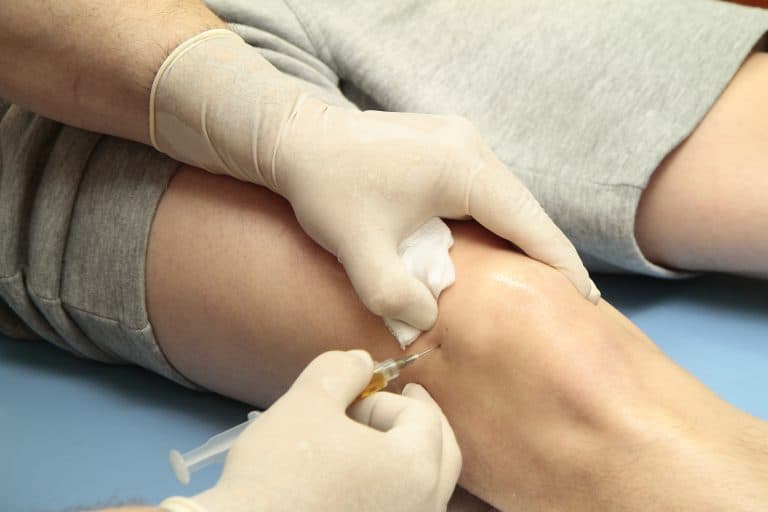
Many of these scientific advances are already making their way into clinical use. Doctors can now deliver stem cells and other regenerative agents directly to damaged cartilage with minimally invasive techniques, which helps reduce the need for major surgery and leads to faster recovery.
Personalized medicine is also becoming more common in this field. Treatments are increasingly tailored to match each patient's genetics, activity level, and lifestyle. This individualized approach can improve outcomes and minimize side effects, making each treatment as effective as possible.
Looking forward, ongoing research is focused on fine-tuning these therapies, developing new biomaterials , and deepening our understanding of how cartilage heals naturally . There are still challenges to overcome—such as ensuring that new cartilage remains durable long-term and that treatments become widely accessible—but the future is looking increasingly bright. Emerging therapies could help millions regain mobility, reduce pain, and return to active, comfortable lives.
Conclusion: A Bright Future for Knee Cartilage Repair
Thanks to groundbreaking advances in science and medicine, the future of knee cartilage regeneration is more hopeful than ever. Innovative treatments such as stem cell therapy , bioengineered scaffolds, and gene therapy move us beyond symptom management, aiming to rebuild healthy, resilient cartilage. With continued research and clinical trials, these approaches stand to revolutionize knee care , helping people move better and live healthier lives.
References
Rodríguez‐Merchán, E. C. (2012). Regeneration of articular cartilage of the knee. Rheumatology International, 33(4), 837-845. https://doi.org/10.1007/s00296-012-2601-3
Mika, J., Clanton, T. O., Ambrose, C. G., & Kinne, R. W. (2016). Surgical preparation for articular cartilage regeneration in the osteoarthritic knee joint. CARTILAGE, 8(4), 365-368. https://doi.org/10.1177/1947603516670710
Legal & Medical Disclaimer
This article is written by an independent contributor and reflects their own views and experience, not necessarily those of London Cartilage Clinic. It is provided for general information and education only and does not constitute medical advice, diagnosis, or treatment.
Always seek personalised advice from a qualified healthcare professional before making decisions about your health. London Cartilage Clinic accepts no responsibility for errors, omissions, third-party content, or any loss, damage, or injury arising from reliance on this material.
If you believe this article contains inaccurate or infringing content, please contact us at [email protected].
London Cartilage Clinic
Modern treatments, designed for lasting knee outcomes
Every treatment plan is selected to help you return to the quality of life you deserve. Our team combines up-to-date techniques with consultant-led decision making across cartilage repair, regeneration and replacement.
What your journey can look like
Step 01
Consultant-Led Assessment
Symptoms, imaging and goals reviewed in one structured appointment.
Step 02
Personalised Treatment Plan
A clear route chosen from repair, regeneration or replacement options.
Step 03
Precision Delivery
Modern techniques and specialist equipment matched to your diagnosis.
Step 04
Long-Term Knee Health
Follow-up guidance focused on durable function and quality of life.
Will the Arthrosamid work for me
PAAG-8+ Questionnaire
A bright, structured entry point for patients exploring Arthrosamid. The questionnaire helps frame suitability, expectations, and 24-month clinical benefit discussion before a fuller consultant-led review.
Designed for shared decision-making. It does not replace specialist consultation, examination, imaging review, or formal medical advice.