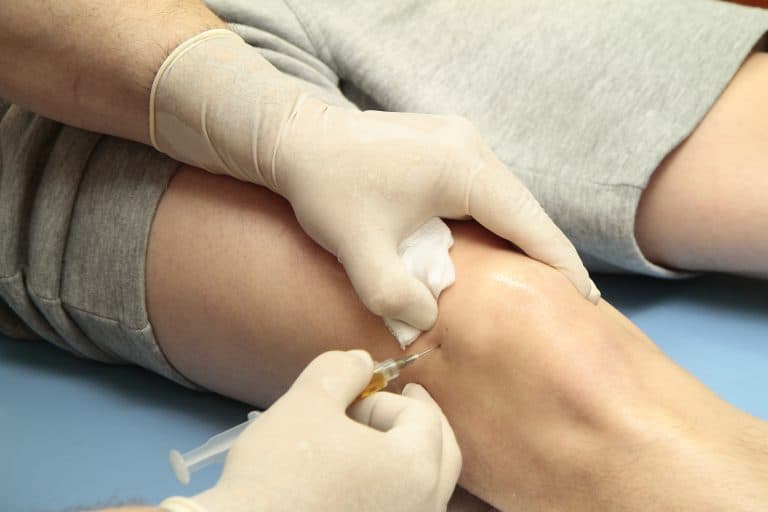



Introduction
Chronic ankle cartilage damage is a persistent challenge in orthopaedic medicine. The ankle joint takes on tremendous weight with every step and is constantly in motion, making it particularly vulnerable to cartilage wear and tear. This ongoing damage can lead to lasting pain, restricted movement , and a noticeable decline in quality of life. Traditional treatments mostly aim to manage these symptoms instead of actually repairing the damaged cartilage . Fortunately, the rise of regenerative medicine is changing this picture. Today’s innovative therapies focus not just on easing discomfort but on helping the body actually rebuild and restore the cartilage . In this post, we’ll dive into why ankle cartilage gets damaged and explore the latest, most promising regenerative treatments that aim to heal and rejuvenate this vital tissue. By understanding both the causes and the newest solutions, we hope to shine a light on a brighter future for those struggling with chronic ankle injuries.
How Does Ankle Cartilage Become Damaged?
To understand why these new treatments matter, it’s helpful to know how cartilage injuries develop in the ankle. Most often, it starts with a specific injury like a sprain or fracture. But the trouble doesn’t end there. Daily wear from walking, running, or even standing in awkward positions can gradually wear away the cartilage over time. This crucial tissue acts as a smooth, slippery cushion at the ends of bones, helping the joint move painlessly.
Inside cartilage are chondrocytes—specialized cells that keep it healthy. When the ankle is hurt, these cells get disrupted. Injury sparks inflammation, which unfortunately often leads to faster cartilage breakdown instead of repair. The natural balance between building new cartilage and removing old tissue is thrown off, and because the ankle has limited blood supply, it’s harder for the body to send healing cells to the area. The result: cartilage thins, cracks, and eventually exposes the underlying bone, making movement painful and stiff. Recognizing how this process unfolds helps explain why it’s not enough to just ease symptoms—successful treatments need to actually encourage new cartilage growth .
Free non-medical discussion
Not sure what to do next?
Information only · No medical advice or diagnosis.
New Regenerative Treatments on the Horizon
Thankfully, advances in regenerative medicine are offering fresh hope. One of the most exciting developments is stem cell therapy . Stem cells are remarkable because they can turn into many different types of tissue, including the chondrocytes that make up cartilage. In addition, they release helpful signals that can reduce inflammation and stimulate repair in the joint.
Along with stem cells , researchers are developing high-tech scaffolds—tiny structures made from biocompatible materials that act as a supportive “home” for new cartilage cells to grow. These scaffolds are designed to mimic the structure and environment of natural cartilage , helping new tissue form in the right shape and attach properly to the ankle.
Researchers are also investigating new medications that target the destructive processes that break down cartilage. These drugs could one day complement cell and scaffold treatments, protecting new and existing cartilage from further damage.
What really sets these regenerative approaches apart is that they focus on healing and rebuilding the damaged tissue, not just covering up the pain. This is a major shift from conventional treatments, opening the door to real, lasting improvements in joint health and quality of life.

How Effective Are These Treatments?
It’s exciting to talk about new therapies, but the important question is: do they work? So far, clinical studies show encouraging results. Many patients receiving stem cell therapy report less pain and better joint function. Imaging scans sometimes reveal signs of new cartilage growing in the treated area. However, results can differ, depending on factors like the source of the stem cells, how they’re delivered, and the specifics of the patient’s injury or age.
Combining stem cells with scaffolds often leads to even better cartilage repair , suggesting that these tools are most powerful when used together. Still, some challenges remain, such as ensuring the new tissue fully integrates with the joint and doesn’t trigger immune responses.
New medications designed to slow cartilage breakdown are mostly in early testing but hold real promise as future partners to regenerative therapies.
These groundbreaking approaches are typically less invasive than traditional surgery and aim to directly repair the root cause of the problem. However, they aren’t guaranteed to work for every patient, and there’s still work to do to figure out the best combinations and timing of treatments. Importantly, researchers emphasize that early intervention—before extensive damage occurs—offers the best chance for successful healing and avoiding arthritis later on.
Conclusion
Chronic ankle cartilage damage is complicated, often stemming from both injuries and ongoing use the body finds hard to fully repair. But regenerative medicine offers hope—using stem cells, high-tech scaffolds, and novel medications to encourage real healing, instead of simply masking pain.
While these approaches are still being improved and tested, the results so far are promising. With further research and clinical trials, regenerative therapies are poised to transform how we treat ankle cartilage injuries—potentially making pain relief , restored movement, and delayed arthritis a reality for many patients.
All told, the future looks bright for ankle cartilage repair . Thanks to regenerative medicine’s unique ability to harness the body’s own healing powers, patients may soon have more effective and lasting solutions than ever before.
References
Dahmen, J., Karlsson, J., Stufkens, S. A. S., & Kerkhoffs, G. M. M. J. (2021). The ankle cartilage cascade: incremental cartilage damage in the ankle joint. Knee Surgery Sports Traumatology Arthroscopy, 29(11), 3503-3507. https://doi.org/10.1007/s00167-021-06755-w
Li, Z. (2024). The Effect of Arthroscopic Microfracture in the Treatment of Ankle Osteoarthritis Combined with Cartilage Damage. Bone and Arthrosurgery Science, 2(1), 60-65. https://doi.org/10.26689/bas.v2i1.6332
Frequently Asked Questions
- Chronic ankle cartilage damage is challenging to treat because the joint endures constant weight and motion. Unlike other tissues, cartilage has a poor blood supply, limiting the body’s ability to send healing cells. Treating only symptoms is insufficient—lasting solutions must actually encourage the growth of new, healthy cartilage.
- Regenerative medicine, available at the London Cartilage Clinic, goes beyond masking pain. Innovative therapies like stem cell injections and high-tech scaffolds aim to repair and restore damaged cartilage, harnessing the body’s healing powers. Led by Prof Lee’s expertise, these modern treatments promise better, longer-lasting joint health outcomes than conventional options.
- Ideal candidates include patients with lasting ankle pain or movement restrictions from cartilage injuries, especially those seeking alternatives to standard surgery. Early intervention, before extensive damage or arthritis sets in, increases the chance of full recovery. Prof Lee provides tailored assessments at the London Cartilage Clinic to determine the best treatment path.
- Patients at London Cartilage Clinic, under Prof Lee’s renowned care, often report significant pain relief and improved function after regenerative therapies. Advanced imaging sometimes confirms new cartilage growth. Employing state-of-the-art techniques, Prof Lee delivers effective, minimally invasive options, prioritising each patient’s quality of life and long-term recovery.
- Prof Lee boasts extensive experience in regenerative therapies and ankle cartilage repair. The London Cartilage Clinic combines cutting-edge treatments with personalised attention, ensuring every patient receives optimum care. With a strong focus on innovation and patient outcomes, Prof Lee provides expertise that sets the clinic apart as a leader in this field.
Legal & Medical Disclaimer
This article is written by an independent contributor and reflects their own views and experience, not necessarily those of London Cartilage Clinic. It is provided for general information and education only and does not constitute medical advice, diagnosis, or treatment.
Always seek personalised advice from a qualified healthcare professional before making decisions about your health. London Cartilage Clinic accepts no responsibility for errors, omissions, third-party content, or any loss, damage, or injury arising from reliance on this material.
If you believe this article contains inaccurate or infringing content, please contact us at [email protected].
London Cartilage Clinic
Modern treatments, designed for lasting knee outcomes
Every treatment plan is selected to help you return to the quality of life you deserve. Our team combines up-to-date techniques with consultant-led decision making across cartilage repair, regeneration and replacement.
What your journey can look like
Step 01
Consultant-Led Assessment
Symptoms, imaging and goals reviewed in one structured appointment.
Step 02
Personalised Treatment Plan
A clear route chosen from repair, regeneration or replacement options.
Step 03
Precision Delivery
Modern techniques and specialist equipment matched to your diagnosis.
Step 04
Long-Term Knee Health
Follow-up guidance focused on durable function and quality of life.
Will the Arthrosamid work for me
PAAG-8+ Questionnaire
A bright, structured entry point for patients exploring Arthrosamid. The questionnaire helps frame suitability, expectations, and 24-month clinical benefit discussion before a fuller consultant-led review.
Designed for shared decision-making. It does not replace specialist consultation, examination, imaging review, or formal medical advice.