


Innovative Non-Surgical Solutions for Ankle Cartilage Repair: Weighing the Costs and Benefits of Nutritional and Minimally Invasive Treatments
Introduction
Ankle cartilage damage is a challenging and often frustrating issue. The cartilage in our ankles doesn’t heal easily, and, given the amount of pressure and movement these joints endure, injuries can quickly become serious problems. While surgery has long been the standard approach, it isn’t always the best—or most affordable—option. More people are now seeking non-surgical ways to repair ankle cartilage . In this article, we’ll explore alternatives that emphasize nutritional supplements and minimally invasive treatments, and weigh their costs and benefits. With recent advances in medical research and imaging, these options are gaining real momentum. Throughout, we'll consider key ideas like the cost of ankle cartilage repair , medicines for cartilage regeneration, and non-surgical treatments to keep things practical and relevant.
Understanding How Ankle Cartilage Works—and What Goes Wrong
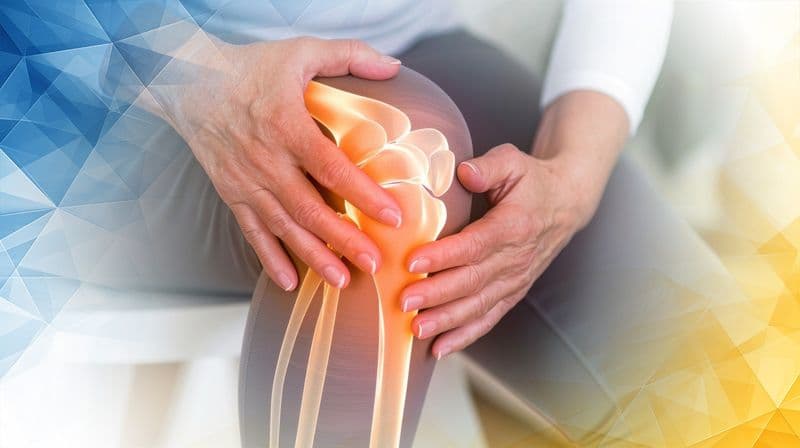
Our ankle joints depend on a smooth layer of cartilage that cushions the bones and allows for pain-free movement. Though tough, this cartilage can be damaged by sudden injuries or repeated stress, developing microscopic cracks and thinning over time. Imagine the tread on a tire gradually wearing down; once the cartilage is too thin or damaged, the bones start to rub together, which can become very painful. Repairing ankle cartilage is uniquely challenging—the ankle’s structure and the way it handles force make healing more difficult when compared to the knee or hip. Experts highlight that not only are the biomechanics different, but so is the biology of ankle cartilage . They also note that cartilage defects in the ankle are common and often hard to access for repair. Understanding these challenges is crucial for exploring better and less invasive treatments.
Free non-medical discussion
Not sure what to do next?
Information only · No medical advice or diagnosis.
Non-Surgical Treatments: Nutrition and Gentle Procedures
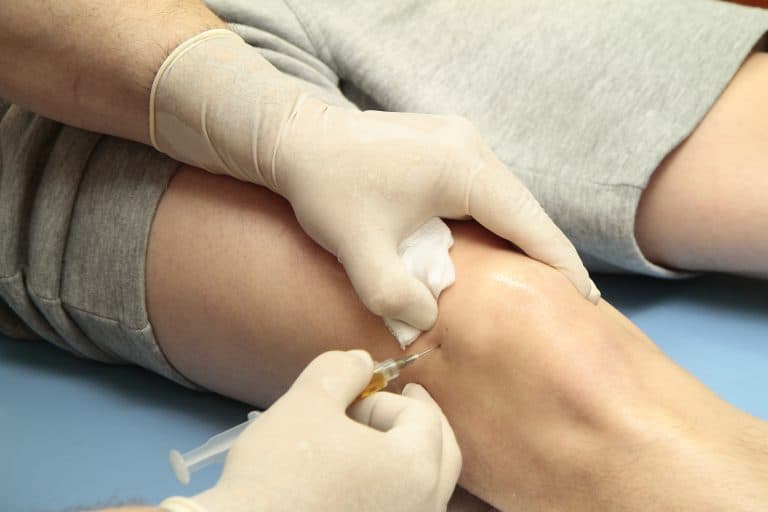
Fortunately, promising non-surgical options can support ankle cartilage repair . One of the easiest ways to help is through nutritional supplementation. Vitamins like D and C, along with supplements such as glucosamine, are believed to aid in cartilage rebuilding and help reduce inflammation. Although much of the research has focused on knees , these same nutrients are being recommended more frequently for ankle health due to similarities in cartilage structure. In addition to nutrition , minimally invasive treatments—such as targeted injections or specialized physiotherapy—can boost the body’s natural healing without the risks and downtime of surgery. Thanks to advances in medical imaging, doctors can now monitor progress closely, making these approaches safer and more effective than ever.

Considering the Costs and Recovery Time
Cost and recovery time are often two of the biggest concerns when deciding how to treat ankle cartilage injuries. Surgery is usually expensive and requires a lengthy recovery, which can be a serious burden for many. By contrast, non-surgical methods are typically less costly and allow for a much quicker return to normal activities. This is especially valuable for those with other health challenges or for anyone wanting to avoid the risks associated with surgery. Combining nutritional strategies with gentle, minimally invasive care can provide effective relief and healing in a way that’s affordable and manageable. Recent studies support the effectiveness and value of these non-surgical approaches, showing they can provide a sound balance between cost, convenience, and recovery.
Conclusion
The complexity of ankle cartilage injuries means that treatment decisions shouldn’t be taken lightly. Non-surgical approaches—particularly those that blend nutrition with minimally invasive techniques—are proving to be a promising alternative to surgery. They offer reduced costs, faster recoveries, and help people return to daily life with less hassle. Looking ahead, continued research and close collaboration between healthcare professionals will develop these strategies even further. The future of ankle cartilage repair lies in integrating innovative science, nutritional support, and modern technology to help people reclaim healthy movement and live life to the fullest.
References
Nehrer, S., & Vannini, F. (2016). Ankle cartilage repair. CARTILAGE, 8(1), 11-11. https://doi.org/10.1177/1947603516678519
Dahmen, J., Bayer, S., Toale, J., Mulvin, C., Hurley, E. T., Batista, J., ... & Murawski, C. D. (2022). Osteochondral Lesions of the Tibial Plafond and Ankle Instability With Ankle Cartilage Lesions: Proceedings of the International Consensus Meeting on Cartilage Repair of the Ankle. Foot & Ankle International, 43(3), 448-452. https://doi.org/10.1177/10711007211049169
Choi, Y. S., Potter, H. G., & Chun, T. J. (2008). MR imaging of cartilage repair in the knee and ankle. Radiographics, 28(4), 1043-1059. https://doi.org/10.1148/rg.284075111
Legal & Medical Disclaimer
This article is written by an independent contributor and reflects their own views and experience, not necessarily those of London Cartilage Clinic. It is provided for general information and education only and does not constitute medical advice, diagnosis, or treatment.
Always seek personalised advice from a qualified healthcare professional before making decisions about your health. London Cartilage Clinic accepts no responsibility for errors, omissions, third-party content, or any loss, damage, or injury arising from reliance on this material.
If you believe this article contains inaccurate or infringing content, please contact us at [email protected].
London Cartilage Clinic
Modern treatments, designed for lasting knee outcomes
Every treatment plan is selected to help you return to the quality of life you deserve. Our team combines up-to-date techniques with consultant-led decision making across cartilage repair, regeneration and replacement.
What your journey can look like
Step 01
Consultant-Led Assessment
Symptoms, imaging and goals reviewed in one structured appointment.
Step 02
Personalised Treatment Plan
A clear route chosen from repair, regeneration or replacement options.
Step 03
Precision Delivery
Modern techniques and specialist equipment matched to your diagnosis.
Step 04
Long-Term Knee Health
Follow-up guidance focused on durable function and quality of life.
Will the Arthrosamid work for me
PAAG-8+ Questionnaire
A bright, structured entry point for patients exploring Arthrosamid. The questionnaire helps frame suitability, expectations, and 24-month clinical benefit discussion before a fuller consultant-led review.
Designed for shared decision-making. It does not replace specialist consultation, examination, imaging review, or formal medical advice.