


Innovative Non-Surgical Approaches for Knee Cartilage Repair: Regenerative Therapies and Rehabilitation Strategies
Introduction
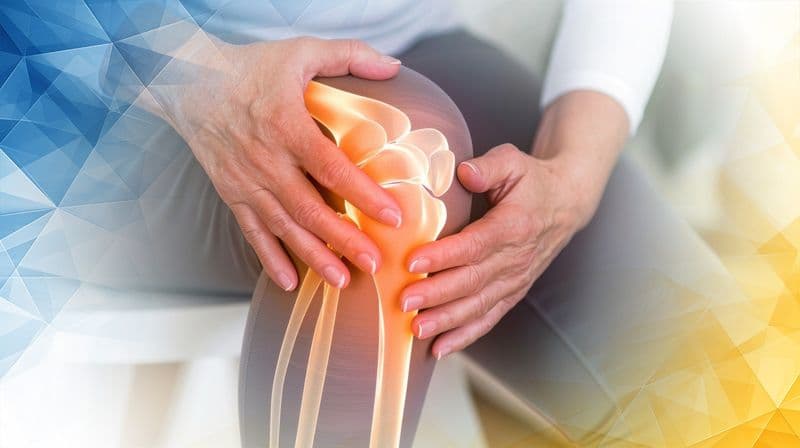
Knee cartilage is a vital tissue that cushions your joints and allows for smooth, pain-free movement. When this cartilage becomes damaged—whether from injury, everyday wear and tear, or the early stages of arthritis—it can lead to pain and limit how easily you move. Surgery has often been the standard solution for cartilage injuries, but recent advances are opening up non-surgical options that help your body heal naturally, without the risks and long recovery associated with surgery. In this article, we’ll look at what causes cartilage damage , explore the latest regenerative therapies, discuss practical rehabilitation strategies, and highlight exciting developments shaping the future of knee cartilage repair.
Understanding Knee Cartilage Damage and the Need for Non-Surgical Repair
Knee cartilage injuries are common, especially from sports, repetitive movements, or simply aging. Unlike many other tissues, cartilage has no direct blood supply, which makes self-repair very difficult. Even minor damage can linger, worsening over time and leading to chronic pain and mobility issues.
Because of these challenges, non-surgical treatments are becoming more important than ever. Rather than just masking pain, these approaches aim to protect joints and slow further damage—all without surgery. Research shows that early, proactive care can help many people maintain healthier knees and potentially avoid surgery down the road. That’s why non-surgical strategies play such a crucial role in preventing long-term issues.
Regenerative Medicine: Harnessing Your Body’s Natural Healing Ability
One of the most exciting areas in non- surgical knee repair is regenerative medicine. These treatments use the body’s own biological processes to encourage healing and reduce symptoms.
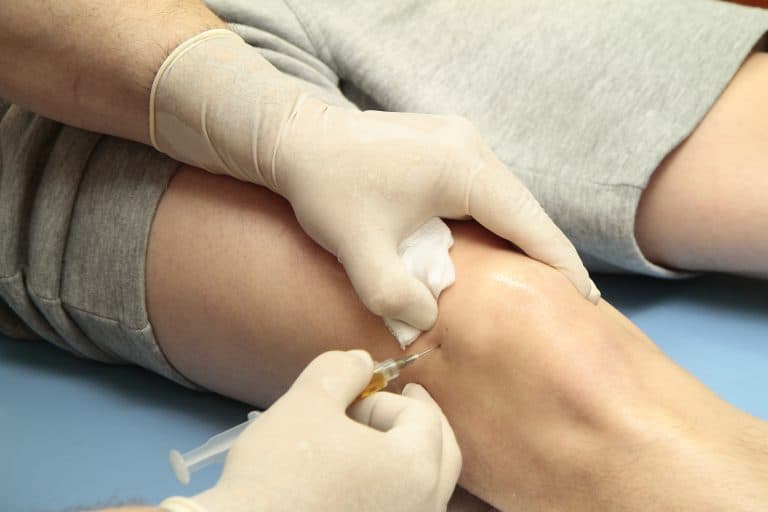
For instance, platelet-rich plasma (PRP) therapy involves using a sample of your own blood to collect and concentrate growth factors , which are then injected into the knee to stimulate tissue repair . Stem cell therapy is another promising approach: doctors collect special cells from your bone marrow or fatty tissue to help regenerate and repair damaged cartilage .
Emerging techniques, such as using gene-activated materials, are aiming to deliver genetic instructions directly to the knee to spark new cartilage growth. While many of these therapies are still in development, early research shows they can improve joint function and reduce pain—offering new hope to people who want to avoid or delay surgery.
Free non-medical discussion
Not sure what to do next?
Information only · No medical advice or diagnosis.
Practical Rehabilitation: Strengthening and Supporting Your Knee
No matter which therapy you choose, a solid rehabilitation plan is key to success. Physical therapy and targeted exercises help build up the muscles around your knee , improve your balance and alignment, and take pressure off the damaged area. This helps protect the cartilage you have and sets the stage for healing.
Rehabilitation also reduces inflammation and encourages better nourishment of knee tissues, creating the best environment for regeneration. When paired with regenerative medicine , exercise therapy can provide excellent results—sometimes even rivaling outcomes seen with surgery. This combination offers a gentle yet powerful path to a stronger, healthier knee.

Looking Ahead: The Future of Non-Surgical Knee Repair
The future of knee cartilage repair is brighter than ever, with scientists exploring new frontiers like gene therapies and innovative materials that closely mimic natural cartilage. Researchers are creating scaffolds to support rebuilt tissue and improve long-term success.
Personalised medicine is also on the rise, allowing treatments to be matched to your unique biology and situation. While these advances are promising, it’s important to work with knowledgeable healthcare providers to find what’s right for you.
As research evolves, we can expect safer, more effective, and less invasive solutions to become available, helping even more people stay active and pain-free. Continued research will ensure these breakthroughs deliver lasting results.
Conclusion
Non-surgical approaches to knee cartilage repair are transforming how joint injuries are treated. By combining the latest regenerative therapies with personalized rehabilitation, patients now have effective alternatives to surgery. These options don’t just ease pain—they support lasting joint health and quality of life. With science advancing every year, the future holds even more innovative, non-invasive solutions to help people stay active and avoid the progression of osteoarthritis .
References
Cook, J. L., & Farr, J. (2012). Cartilage repair in the knee: Part III. The Journal of Knee Surgery, 25(02), 83-84. https://doi.org/10.1055/s-0032-1322509
Jungmann, P. M., Gersing, A. S., Baumann, F., Holwein, C., Braun, S., Neumann, J., Zarnowski, J., Hofmann, F. C., Imhoff, A. B., Rummeny, E. J., & Link, T. M. (2018). Cartilage repair surgery prevents progression of knee degeneration. Knee Surgery, Sports Traumatology, Arthroscopy, 27(9), 3001-3013. https://doi.org/10.1007/s00167-018-5321-8
Quatman, C. E., Harris, J. D., & Hewett, T. E. (2012). Biomechanical outcomes of cartilage repair of the knee. The Journal of Knee Surgery, 25(03), 197-206. https://doi.org/10.1055/s-0032-1322602
Legal & Medical Disclaimer
This article is written by an independent contributor and reflects their own views and experience, not necessarily those of London Cartilage Clinic. It is provided for general information and education only and does not constitute medical advice, diagnosis, or treatment.
Always seek personalised advice from a qualified healthcare professional before making decisions about your health. London Cartilage Clinic accepts no responsibility for errors, omissions, third-party content, or any loss, damage, or injury arising from reliance on this material.
If you believe this article contains inaccurate or infringing content, please contact us at [email protected].
London Cartilage Clinic
Modern treatments, designed for lasting knee outcomes
Every treatment plan is selected to help you return to the quality of life you deserve. Our team combines up-to-date techniques with consultant-led decision making across cartilage repair, regeneration and replacement.
What your journey can look like
Step 01
Consultant-Led Assessment
Symptoms, imaging and goals reviewed in one structured appointment.
Step 02
Personalised Treatment Plan
A clear route chosen from repair, regeneration or replacement options.
Step 03
Precision Delivery
Modern techniques and specialist equipment matched to your diagnosis.
Step 04
Long-Term Knee Health
Follow-up guidance focused on durable function and quality of life.
Will the Arthrosamid work for me
PAAG-8+ Questionnaire
A bright, structured entry point for patients exploring Arthrosamid. The questionnaire helps frame suitability, expectations, and 24-month clinical benefit discussion before a fuller consultant-led review.
Designed for shared decision-making. It does not replace specialist consultation, examination, imaging review, or formal medical advice.