Innovative Massage Techniques for Knee Pain Relief: A Research-Backed Guide to Self-Care and Mobility Improvement
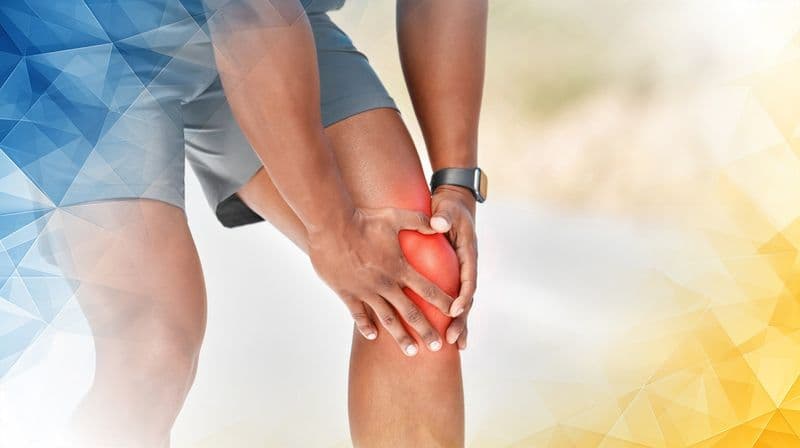
Knee pain is a widespread issue that affects people of all ages, often making daily activities challenging. While treatments like medications and physical therapy are common, many are looking for natural, gentle ways to relieve discomfort. That’s where massage therapy comes in—it’s a popular, non-invasive option that can help reduce pain and improve movement . This article highlights research-backed massage techniques you can try at home or with a professional. Whether your knee pain stems from arthritis, injury, swelling, or general soreness, these targeted massage methods can help you find relief and move more comfortably.
What Science Says About Massage for Knee Pain
Research increasingly supports massage therapy as an effective way to ease knee pain . When you receive a massage, the pressure stimulates receptors in your skin that help block pain signals from reaching your brain, almost like turning down the volume on discomfort. Massage may also decrease levels of substance P—a chemical involved in pain and inflammation—around your knee .
Clinical studies suggest that massage sessions of 10 to 15 minutes, two to three times per week, can produce noticeable improvements. Experts in pain medicine have even described massage therapy as “an evidence-based supportive care strategy that can be employed as part of a comprehensive pain management plan” (Buckenmaier et al., 2016). This means massage can be a safe and effective addition to other treatments, such as exercise and medication, when managing knee pain .
Massage Techniques to Relieve Knee Pain
There are several massage methods that target knee pain, ranging from professional techniques to self-massage you can do at home. Professional deep tissue massage aims to loosen tight muscles and boost blood flow around the knee, reducing stiffness and aiding recovery.
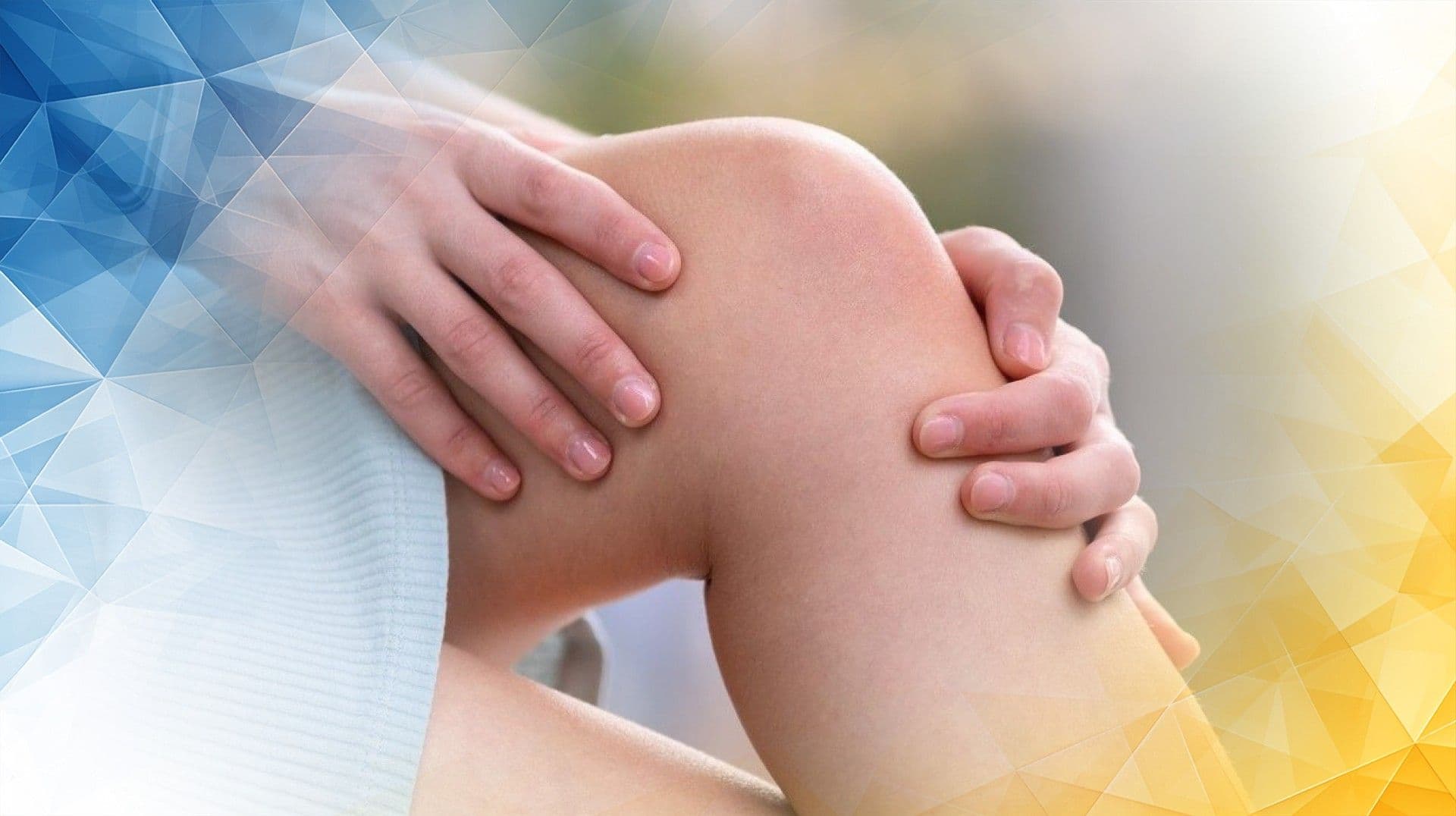
If you’d like to try self-massage, it’s simple and can be done in a few minutes. Start by locating the tender areas around your kneecap and the tendons just above and below it. Using your fingers, gently press and make small circular motions on these spots. Enhancing your massage with essential oils like lavender or eucalyptus may help relax muscles and further reduce inflammation.
Massage isn’t just about comfort—it supports joint health by improving blood flow and reducing swelling, which are key for decreasing pain and improving knee mobility.
Benefits and Safety Tips
Adding massage to your knee pain management plan offers several benefits. Not only can it help you rely less on pain medications and their potential side effects, but it may also increase your flexibility and make staying active easier.
However, some precautions are important. Avoid massaging a newly injured or acutely painful knee —when in doubt, consult a healthcare professional first. If your pain fails to improve or gets worse despite massage, check in with your doctor to explore other treatment options.
Final Thoughts
Massage therapy is a natural, research-supported approach for relieving knee pain and improving movement. Whether you choose professional sessions or self-massage at home, these techniques can provide genuine relief and help you regain mobility. As highlighted by Buckenmaier et al. (2016), massage therapy is still underutilized in many pain management plans—but adding these methods to your self-care routine can empower you to manage your knee pain more effectively. Try incorporating massage into your day and discover how it can help you maintain strong, pain-free knees , and a more active lifestyle.
References
Buckenmaier, C. C., Cambron, J. A., Werner, R., Buckenmaier, P., Deery, C., Schwartz, J., & Whitridge, P. (2016). Massage therapy for pain—call to action. Pain Medicine, 17(7), 1211-1214. https://doi.org/10.1093/pm/pnw092
Khoirunnisa, F. N., Indrianingrum, I., & Tristanti, I. (2019). The effectiveness of circular hip massage and knee press massage toward intensity change of labor pain. Jurnal Kesehatan Masyarakat, 15(1), 44-52. https://doi.org/10.15294/kemas.v15i1.15783
Korean Knee Society. (2012). Guidelines for the management of postoperative pain after total knee arthroplasty. Knee Surgery and Related Research, 24(4), 201-207. https://doi.org/10.5792/ksrr.2012.24.4.201
Legal & Medical Disclaimer
This article is written by an independent contributor and reflects their own views and experience, not necessarily those of London Cartilage Clinic. It is provided for general information and education only and does not constitute medical advice, diagnosis, or treatment.
Always seek personalised advice from a qualified healthcare professional before making decisions about your health. London Cartilage Clinic accepts no responsibility for errors, omissions, third-party content, or any loss, damage, or injury arising from reliance on this material.
If you believe this article contains inaccurate or infringing content, please contact us at [email protected].
London Cartilage Clinic
Modern treatments, designed for lasting knee outcomes
Every treatment plan is selected to help you return to the quality of life you deserve. Our team combines up-to-date techniques with consultant-led decision making across cartilage repair, regeneration and replacement.
What your journey can look like
Step 01
Consultant-Led Assessment
Symptoms, imaging and goals reviewed in one structured appointment.
Step 02
Personalised Treatment Plan
A clear route chosen from repair, regeneration or replacement options.
Step 03
Precision Delivery
Modern techniques and specialist equipment matched to your diagnosis.
Step 04
Long-Term Knee Health
Follow-up guidance focused on durable function and quality of life.
Will the Arthrosamid work for me
PAAG-8+ Questionnaire
A bright, structured entry point for patients exploring Arthrosamid. The questionnaire helps frame suitability, expectations, and 24-month clinical benefit discussion before a fuller consultant-led review.
Designed for shared decision-making. It does not replace specialist consultation, examination, imaging review, or formal medical advice.