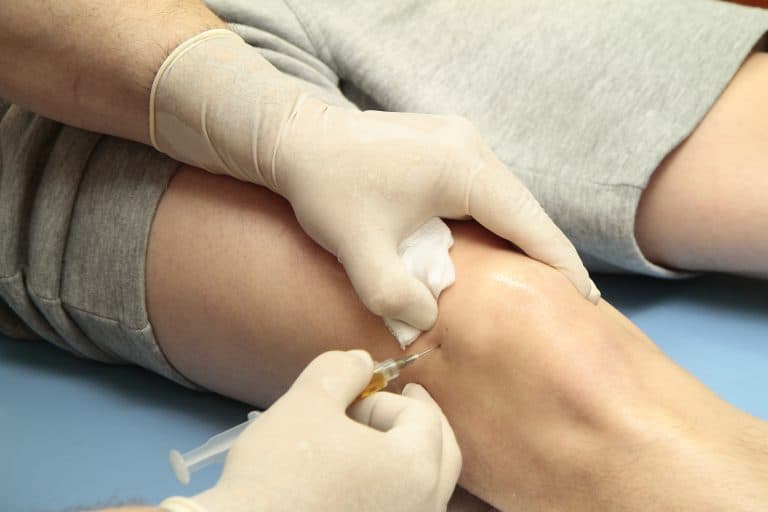



Innovative Management Strategies for a Torn Meniscus: Bridging Academic Insights with Patient-Centered Solutions
Introduction
A torn meniscus —medically known as meniscus gescheurd—is one of the most common knee injuries , affecting people across all age groups. The meniscus is a sturdy, C-shaped piece of cartilage that cushions and stabilizes the knee joint , absorbing the shock from daily activities. When this cartilage tears, it can cause pain, swelling, and restricted movement, often interfering with everyday life.
In this article, we’ll break down the latest scientific research and cutting-edge treatment options for a torn meniscus . By blending academic insights with real-world care strategies, our goal is to offer a clear and comprehensive perspective on managing this injury . We’ll explore what researchers have learned about the meniscus, highlight new and innovative treatments, and look ahead to what the future may hold for people living with this condition.
Understanding the Meniscus: What Science Reveals
To choose the best treatment for a torn meniscus , it helps to know a little about its anatomy and role in the knee. The meniscus acts as a shock absorber between your thighbone and shinbone, spreading the pressure and reducing wear on the joint.
The meniscus isn’t uniform—some parts have a good blood supply and can heal relatively well if injured, while other areas have very limited blood flow, making recovery much more challenging if they tear.
Modern medical imaging, such as high-resolution MRI and 3D ultrasound, now lets doctors detect meniscus injuries earlier and more accurately than ever before. Early and precise diagnosis is key to planning the most effective treatment.
Large population studies have found that meniscus tears often occur more frequently in men and are slightly more common in the right knee . The type of tear can also vary depending on age. For instance, vertical tears are more common between ages 30 and 40, while horizontal tears are seen more often in people aged 40 to 50. This kind of information helps doctors customize treatment, taking into account the patient’s age, activity level, and tear pattern.
Researchers have also learned that factors like knee alignment and the strength of the surrounding muscles can impact how likely you are to get a meniscus injury —and how well you recover. This understanding allows for more tailored, patient-centered care.
Another key finding from recent research is that the meniscus , though vital, is delicate and can be difficult to repair once injured. This highlights the need for innovative treatment approaches to improve healing and long-term knee health.
Free non-medical discussion
Not sure what to do next?
Information only · No medical advice or diagnosis.
Innovative Approaches to Meniscus Treatment
Treating a torn meniscus is no longer a simple choice between surgery and rest. Thanks to recent advances, patient care can be much more personalized and effective.
Minimally invasive surgical techniques , such as arthroscopy, allow surgeons to repair or remove damaged tissue through small incisions, leading to faster recovery. Exciting developments include meniscal scaffolds—specialized supports that encourage tissue growth—and biologic therapies that use natural growth factors to boost healing. These are especially promising for tears in hard-to- heal areas.
Non-surgical treatments have also grown in effectiveness. Many patients see great improvement with physical therapy that focuses on strengthening the muscles around the knee, improving balance and joint awareness, and reducing inflammation. Sometimes, with the right therapy and early movement , surgery can be avoided altogether.
Importantly, the type of tear matters a lot. Doctors now use advanced imaging and careful classification of tears to guide their decisions—choosing the best surgical or non-surgical path based on the unique features of each injury.
Recent research has shifted the focus toward preserving as much natural meniscus tissue as possible. Studies show that removing too much meniscus , especially at a young age, can lead to joint problems and cartilage degeneration decades later. As a result, doctors now favor repairs and partial removal rather than total meniscectomy whenever possible, helping to protect the knee in the long term.
Blending surgical and non-surgical strategies often leads to the best outcomes—relieving pain, restoring function, and helping patients return faster to their daily routines. This balanced approach requires genuine teamwork between doctors, therapists, and patients, ensuring that every recovery plan is thoughtfully personalized.

Looking Ahead: The Future of Meniscus Care
Modern meniscus treatment is all about uniting the latest scientific discoveries with patient-focused, individualized care. Research continues to uncover new insights about how the meniscus works and the best ways to heal injuries.
New meniscus implants and grafts show great promise, but improvements are still needed. Current scaffolds and implants don’t yet fully match the strength or function of a healthy, natural meniscus—pushing researchers to refine these technologies for even better results.
With ongoing progress in medical imaging, biologic therapies, and tailor-made rehabilitation, the outlook for treating meniscus injuries keeps getting brighter. As clinicians and scientists collaborate, these advances will become increasingly available and effective for everyone.
If you’re facing a meniscus injury , staying informed and partnering closely with your healthcare team can make all the difference. The future is promising, combining science and compassionate care to help patients recover fully and get back to the activities they love.
References
Brordeel, C., Coppieters, E., de Bakker, E., Bogaerts, E., De Rycke, L., Samoy, Y., Verhoeven, G., & Van Ryssen, B. (2019). Meniscusletsels bij de hond. Vlaams Diergeneeskundig Tijdschrift, 88(6), 335-341. https://doi.org/10.21825/vdt.v88i6.15992
Dandy, D. J. (1992). Artroskopische anatomie van symptomatische meniscuslaesies. Stimulus, 11(3), 131–135.
Vaquero, J.J., & Forriol, F. (2019). Meniscus tear surgery and meniscus replacement. Muscles Ligaments and Tendons Journal, 06(01), 71. https://doi.org/10.32098/mltj.01.2016.09
Legal & Medical Disclaimer
This article is written by an independent contributor and reflects their own views and experience, not necessarily those of London Cartilage Clinic. It is provided for general information and education only and does not constitute medical advice, diagnosis, or treatment.
Always seek personalised advice from a qualified healthcare professional before making decisions about your health. London Cartilage Clinic accepts no responsibility for errors, omissions, third-party content, or any loss, damage, or injury arising from reliance on this material.
If you believe this article contains inaccurate or infringing content, please contact us at [email protected].
London Cartilage Clinic
Modern treatments, designed for lasting knee outcomes
Every treatment plan is selected to help you return to the quality of life you deserve. Our team combines up-to-date techniques with consultant-led decision making across cartilage repair, regeneration and replacement.
What your journey can look like
Step 01
Consultant-Led Assessment
Symptoms, imaging and goals reviewed in one structured appointment.
Step 02
Personalised Treatment Plan
A clear route chosen from repair, regeneration or replacement options.
Step 03
Precision Delivery
Modern techniques and specialist equipment matched to your diagnosis.
Step 04
Long-Term Knee Health
Follow-up guidance focused on durable function and quality of life.
Will the Arthrosamid work for me
PAAG-8+ Questionnaire
A bright, structured entry point for patients exploring Arthrosamid. The questionnaire helps frame suitability, expectations, and 24-month clinical benefit discussion before a fuller consultant-led review.
Designed for shared decision-making. It does not replace specialist consultation, examination, imaging review, or formal medical advice.