

Introduction
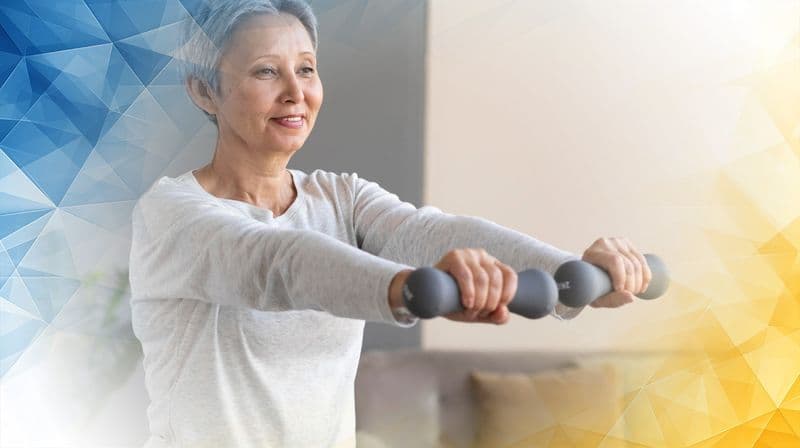
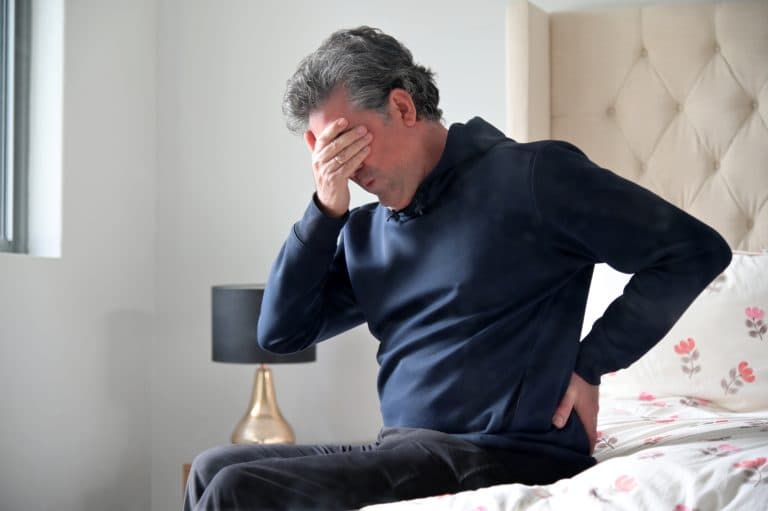
Knee pain affects people of all ages, often making everyday activities tough. Whether it’s the result of an injury, arthritis, or just the wear and tear that comes with daily living, finding effective ways to manage knee pain is essential for staying active and comfortable. In this article, we’ll introduce a science-backed, home-based physiotherapy routine designed to ease knee pain . These simple exercises, which you can do at home, offer a flexible and personalised way to improve knee health and restore your mobility.
Understanding Knee Pain and Why It Matters
Knee pain can arise from a variety of causes, including ligament sprains, cartilage wear, inflammation, and conditions like osteoarthritis . Common symptoms—such as stiffness, swelling, and discomfort during movement—can interfere with daily life. Physiotherapy tackles these issues by addressing muscle weakness and joint stiffness and encouraging natural healing.
You might ask: why do physiotherapy exercises at home? The answer is all about consistency and convenience. Sticking to a regular routine helps reduce inflammation and improves joint mobility . By managing your recovery from home, you can make steady progress without the need for constant clinic visits.
Free non-medical discussion
Not sure what to do next?
Information only · No medical advice or diagnosis.
The Science Behind Physiotherapy for Knee Pain
Physiotherapy relieves knee pain through several mechanisms. Gentle exercises restore flexibility, allowing your knee to move more freely. Strengthening the muscles around the knee —especially the quadriceps—provides stability and helps support the joint, reducing the strain on painful tissues.
Importantly, research consistently shows that exercise, regardless of the exact type, has short-term benefits for knee pain and function. This means you don’t have to hunt for the perfect exercise; what matters most is regular movement .
Exercise also influences the way your nervous system processes pain, gradually reducing how intensely you feel discomfort over time. This is why sticking to your program—even at home—can be so successful. Clinical studies confirm that people who keep up with their exercises are far more likely to see improvement and return to daily activities compared to those who don’t.
Overall, these combined effects help lower inflammation, improve function, and make physiotherapy a proven treatment for many types of knee pain.

Your Home-Based Physiotherapy Routine: Simple Exercises That Work
Here are three essential exercises you can do at home—no special equipment needed:
- Straight Leg Raise
This move targets your quadriceps without putting strain on your knee joint. Lie on your back, one leg bent and the other straight. Slowly lift the straight leg about 30 centimetres off the floor, hold for five seconds, and lower it gently. Complete 10 to 15 repetitions, focusing on slow, controlled motions. If you feel sharp pain, pause and consult a professional. - Heel Slide
The heel slide helps regain flexibility and reduce stiffness. Lying on your back, gently slide your heel toward your bottom by bending your knee , then straighten your leg again. Do 10 to 15 repetitions, keeping movements slow and pain-free. This keeps the joint flexible and comfortable. - Wall Sit
This exercise builds strength and stability in your legs. Stand with your back against a wall and slowly slide down until your knees are bent at about 90 degrees, as if sitting on an invisible chair. Hold for 10 to 20 seconds, gradually increasing the time as your strength grows. Be sure your knees stay directly over your feet to protect your joints .
Always listen to your body. If any exercise causes sharp or ongoing pain, reduce the intensity or ask a health professional for advice.
Conclusion
A structured, evidence-based physiotherapy routine at home can make a significant difference in managing knee pain . Even simple, consistent exercises like these are proven to improve symptoms, mobility, and overall quality of life. By increasing joint movement, strengthening leg muscles, and calming inflammation, you’re giving yourself the best chance for lasting relief.
Of course, everyone’s body is different—if your pain persists or worsens, it’s wise to consult a physiotherapist or doctor for individual advice.
With patience and regular practice, this home routine can help you take control of your knee health , move more confidently, and enjoy a better quality of life. Managing knee pain is a process, but with the right approach and a little determination, you can make real progress—all from the comfort of your own home.
References
Börjesson, M., Robertson, E., Weidenhielm, L., Mattsson, E., & Olsson, E. (1996). Physiotherapy in knee osteoarthrosis: Effect on pain and walking. Physiotherapy Research International, 1(2), 89-97. https://doi.org/10.1002/pri.6120010205
Clark, D., Downing, N., Mitchell, J. A., Coulson, L., Syzpryt, E. P., & Doherty, M. (2000). Physiotherapy for anterior knee pain: a randomised controlled trial. Annals of the Rheumatic Diseases, 59(9), 700-704. https://doi.org/10.1136/ard.59.9.700
Page, C., Hinman, R. S., & Bennell, K. L. (2011). Physiotherapy management of knee osteoarthritis. International Journal of Rheumatic Diseases, 14(2), 145-151. https://doi.org/10.1111/j.1756-185x.2011.01612.x
Legal & Medical Disclaimer
This article is written by an independent contributor and reflects their own views and experience, not necessarily those of London Cartilage Clinic. It is provided for general information and education only and does not constitute medical advice, diagnosis, or treatment.
Always seek personalised advice from a qualified healthcare professional before making decisions about your health. London Cartilage Clinic accepts no responsibility for errors, omissions, third-party content, or any loss, damage, or injury arising from reliance on this material.
If you believe this article contains inaccurate or infringing content, please contact us at [email protected].
London Cartilage Clinic
Modern treatments, designed for lasting knee outcomes
Every treatment plan is selected to help you return to the quality of life you deserve. Our team combines up-to-date techniques with consultant-led decision making across cartilage repair, regeneration and replacement.
What your journey can look like
Step 01
Consultant-Led Assessment
Symptoms, imaging and goals reviewed in one structured appointment.
Step 02
Personalised Treatment Plan
A clear route chosen from repair, regeneration or replacement options.
Step 03
Precision Delivery
Modern techniques and specialist equipment matched to your diagnosis.
Step 04
Long-Term Knee Health
Follow-up guidance focused on durable function and quality of life.